Getting Lost (On Purpose) in the Grand Bazaar
With over 4,000 shops under one roof, the Grand Bazaar cannot really be "seen" in any organized way. Here is how to enjoy it anyway, without either overpaying or overplanning.

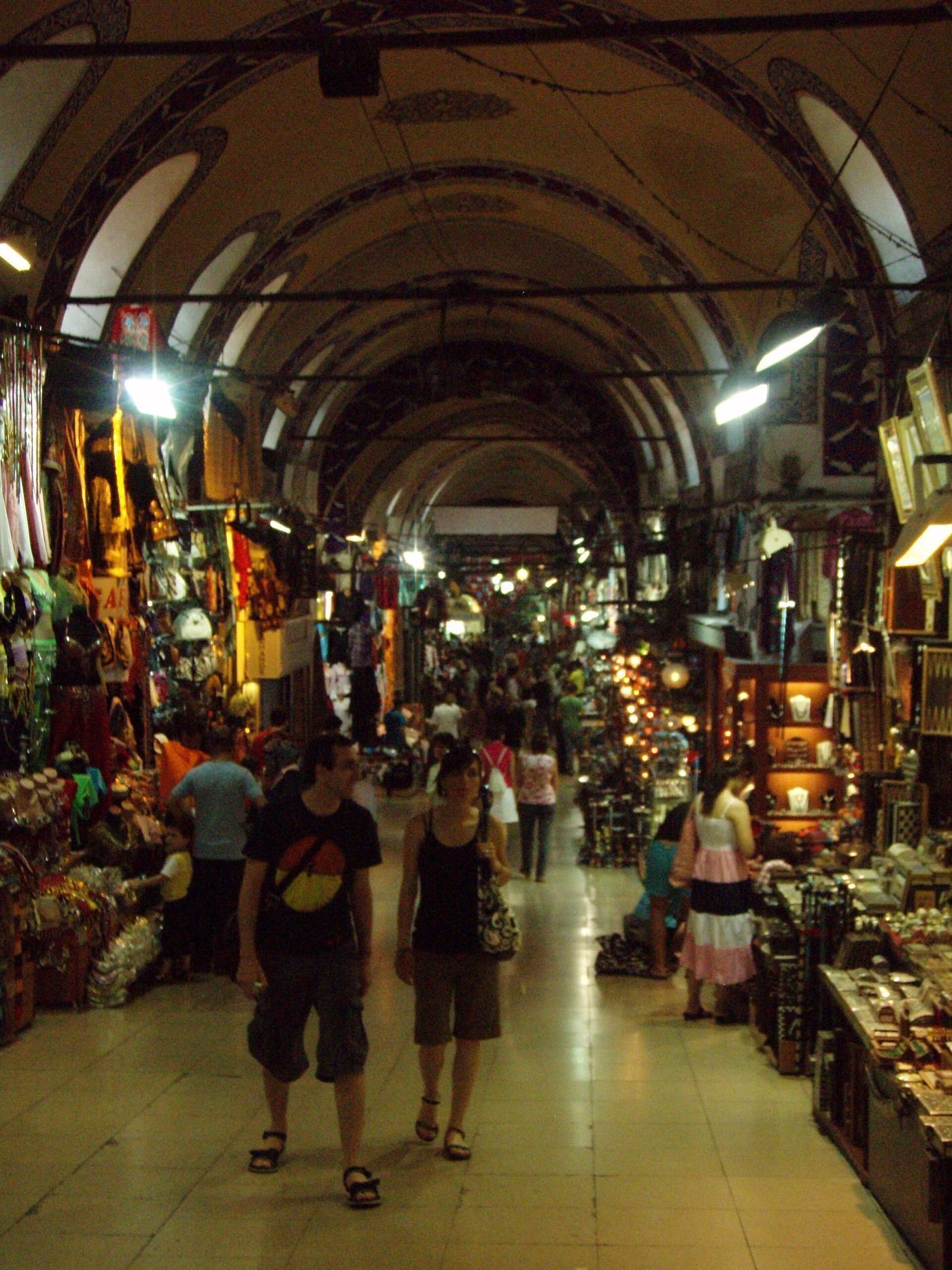
The Grand Bazaar in Istanbul is one of the oldest and largest covered markets in the world, dating in its earliest form to the 1450s, and it is genuinely too large to navigate with any real sense of control. Over 4,000 shops line 61 covered streets under a network of domed and painted ceilings, and most first-time visitors who try to plan a route end up abandoning the plan within twenty minutes. That is not a failure — it is more or less how the Bazaar is meant to be experienced.
What to actually expect inside
The Bazaar is loosely organized by trade, a legacy of the guild system that shaped it historically — you will find clusters of jewelry shops, leather goods, ceramics, textiles, and antiques grouped along particular streets, though this organization has loosened considerably over the centuries and modern souvenir shops are now scattered throughout. The atmosphere is persistent but rarely aggressive: shopkeepers will call out to passing visitors, and the expected response is a polite decline if you are not interested, rather than an obligation to stop.
Bargaining: expected, not optional
Prices in the Grand Bazaar are almost never fixed for tourist-facing goods, and bargaining is a normal, expected part of the transaction rather than an awkward imposition. A reasonable starting approach is to offer roughly 50% of the initial asking price and negotiate upward from there, staying friendly and unhurried — the process is as much a social ritual as a financial one, and shopkeepers generally enjoy an engaged customer more than one who pays the first price without a word.
Turkish ceramics (particularly from Kütahya and Iznik-style workshops), hand-woven textiles, and genuine copper or brassware tend to hold their value and quality; mass-produced "evil eye" trinkets and generic magnets are fine as cheap souvenirs but are not worth bargaining hard over given their low base cost.
Practical logistics
The Bazaar is closed on Sundays and typically operates from around 9am to 7pm on other days. It has multiple entrances — the Nuruosmaniye Gate and Beyazıt Gate are two of the grandest and easiest to use as a mental "home base" if you want a fixed point to navigate back to when you inevitably lose your bearings inside.
Visiting the Grand Bazaar
If negotiating solo feels intimidating on a first visit, guided shopping walks that introduce you to specific trusted vendors and explain what fair pricing looks like are available through Viator's Istanbul tours page. And since the Bazaar sits centrally, most Sultanahmet or Beyazıt-area accommodation puts you within easy walking distance — listings for that area are browsable on Trip.com's Istanbul guide.