Hamdan Street: Abu Dhabi's Historic Downtown Thoroughfare, Explained
Four kilometers connecting the capital's oldest fort to its oldest mall — the commercial backbone Abu Dhabi was built around.

Hamdan Street — officially Sheikh Hamdan bin Mohammed Street, though almost universally shortened in everyday use — is one of Abu Dhabi's oldest and most established downtown thoroughfares, stretching roughly four kilometers from Al Hosn to the Tourist Club Area. It doesn't have the manufactured glamour of the city's newer developments, and that's precisely its appeal: this is Abu Dhabi's genuine commercial backbone, a street that's been central to the city's daily life since well before the skyscrapers arrived.
The street takes its name from Sheikh Hamdan bin Zayed Al Nahyan, the former Deputy Prime Minister of the UAE, and it functioned as a trading, market, and government center during Abu Dhabi's earlier development period — well before the emirate's post-oil skyline began rising around it. That early commercial role has left a genuine physical legacy: Hamdan Street is still home to some of Abu Dhabi's oldest gold stores and the Hamdan Centre, widely regarded as the capital's oldest shopping mall, both surviving examples of the city's pre-boom commercial architecture.
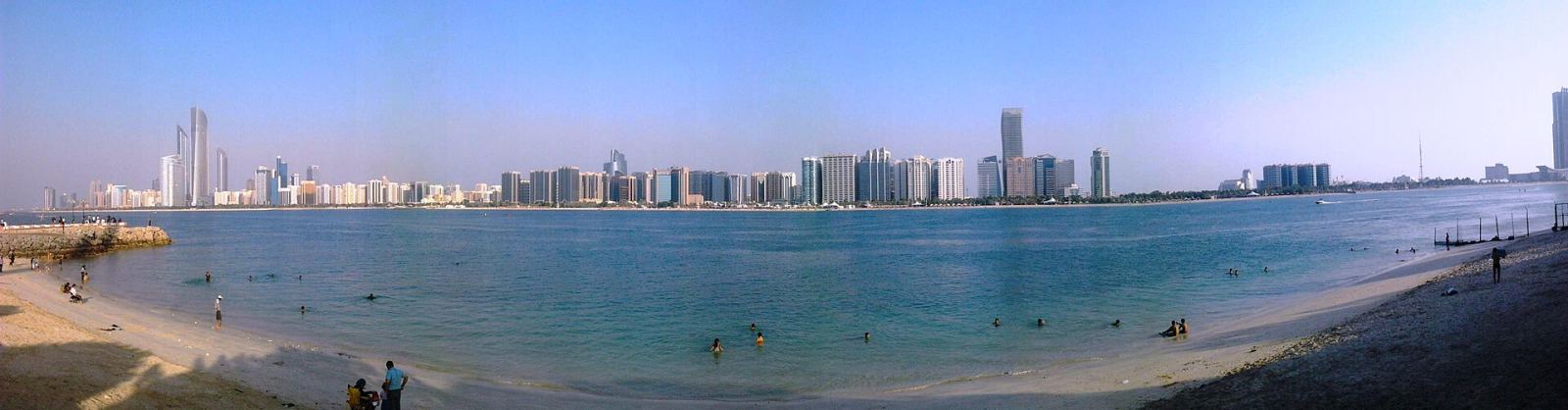
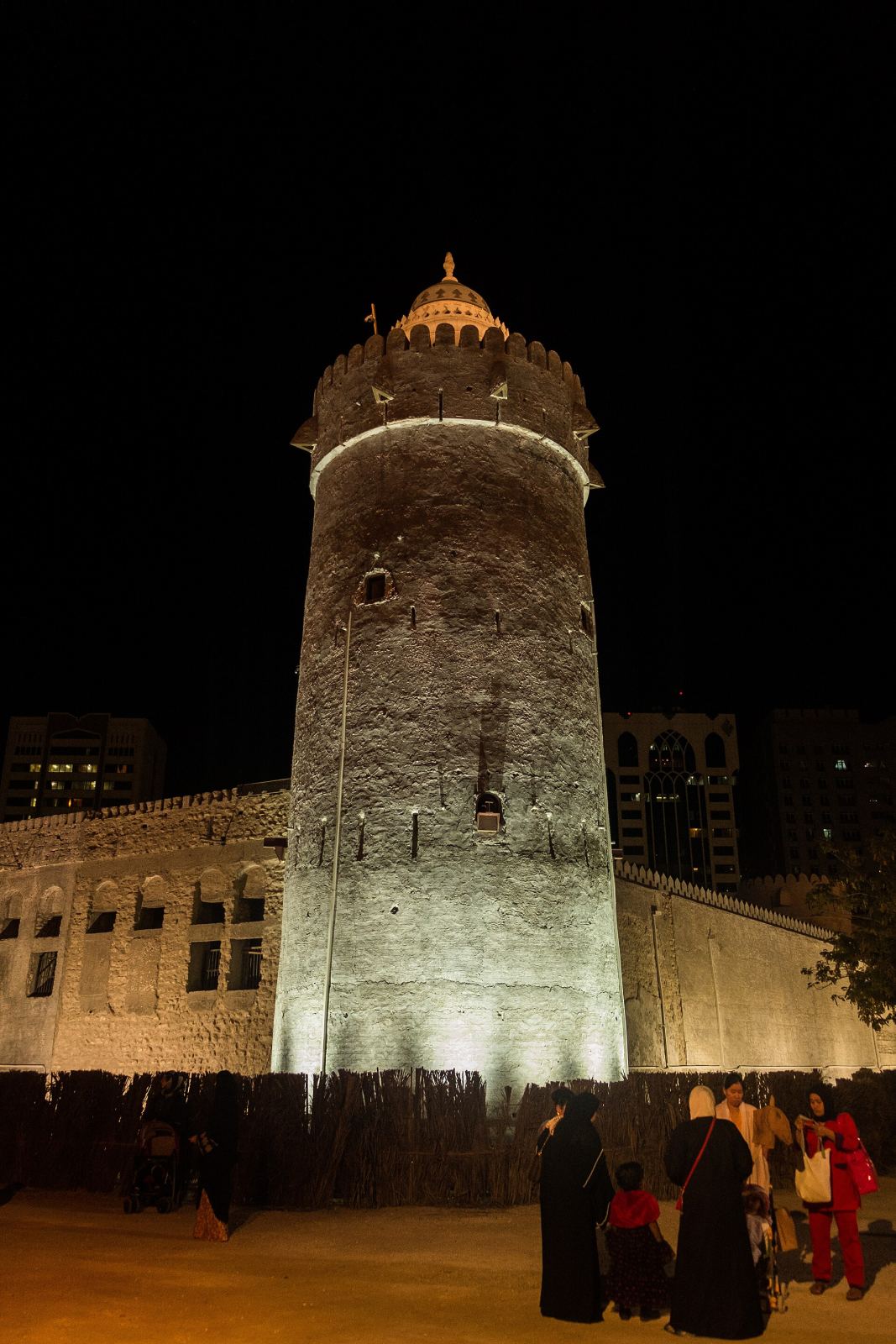
Hamdan Street connects several of central Abu Dhabi's major landmarks along its length, including Qasr Al Hosn — the oldest stone building in Abu Dhabi and the historic seat of the ruling Al Nahyan family before the city's modern development — as well as the World Trade Center Mall and the Al Zahiyah district. Walking or driving the street's full length gives a genuine sense of Abu Dhabi's layered urban history, from the fort's centuries-old walls to the high-rise apartment towers that now surround it, all within the same four-kilometer stretch.
| Time | Atmosphere | Best For |
|---|---|---|
| Daytime | Standard downtown commercial activity, shops and offices open | Shopping, errands, and gold souk browsing |
| Evening | Restaurants and cafés busier, cooler temperatures for walking | A relaxed evening stroll along the street |
| Weekends | Busier with local shoppers, particularly around the older commercial buildings | Experiencing the street's genuine local commercial character |
| Late night | Quieter, though some restaurants and cafés stay open | A calmer look at the street's architecture without crowds |
Restaurants along Hamdan Street tend toward the same practical, everyday character as the rest of the street — solid, affordable options serving a working local clientele rather than destination dining built around atmosphere or presentation, which makes it a reasonable stop for a genuine, unfussy meal between other sightseeing rather than a culinary highlight in its own right.
Qasr Al Hosn, the historic fort connected to Hamdan Street's western end, operates as a museum with its own opening hours and (often free or low-cost) ticketing — check current hours before combining a visit with a Hamdan Street walk, since the fort's schedule doesn't always align with typical shopping hours on the street itself.
The street's mix of old and new is genuinely visible in its architecture — apartment towers from the 1970s and 80s stand alongside more recent high-rise construction, and the resulting streetscape reads less like a single planned development and more like a genuine, organically layered city center that grew in stages over decades rather than all at once, a texture that's harder to find in parts of Abu Dhabi built more recently and more uniformly.
For visitors specifically interested in gold jewelry, Hamdan Street's cluster of long-established gold stores offers a genuine alternative to the more polished, price-inflated options in Abu Dhabi's newer malls — many of these shops have operated in the same spots for decades, serving a loyal local customer base rather than primarily tourist foot traffic. That local orientation extends to much of the street's retail mix, which leans toward practical, everyday shopping rather than the luxury positioning found closer to the Corniche or Saadiyat.
Hamdan Street connects naturally to the Corniche, a short distance to the north, and sits within reach of central Abu Dhabi's other major sights. For food while exploring the street, see our guides to Luqaimat in Abu Dhabi and Shawarma in Abu Dhabi.
Hamdan Street runs through the heart of downtown Abu Dhabi and is easily reached by taxi, ride-hailing app, or public bus from anywhere in the city center. Given its four-kilometer length, most visitors focus on a specific section — typically the area nearest Qasr Al Hosn and the older commercial buildings — rather than attempting to walk the entire street in a single visit.
Public transport along Hamdan Street is reasonably straightforward, with several bus routes running its length and connecting to other parts of the city, making it a genuinely practical option for visitors without a car who still want to see this less-polished side of downtown Abu Dhabi without relying entirely on taxis. Parking, by contrast, can be genuinely difficult to find during peak business hours given the street's continuous commercial activity along most of its length.
Frequently Asked Questions
Compared to the deliberately curated retail experiences found in Abu Dhabi's newer malls, Hamdan Street offers something closer to genuine urban texture — worn signage, family-run businesses, and a pace of commerce shaped by decades of continuous use rather than a single opening-day design brief, which is exactly the kind of detail that tends to get lost in a city that has redeveloped as rapidly as this one has.
For visitors trying to understand Abu Dhabi beyond its most photographed landmarks, Hamdan Street offers a useful corrective — a reminder that the city's identity was never purely about oil wealth and architectural spectacle, but also about decades of ordinary commerce, families, and neighborhoods that continue functioning quietly beneath the more visible layer of museums and skyscrapers.
Parking along the street itself can be tight during business hours, so many visitors find it easier to park in one of the side streets a block or two away and walk in, which also happens to be a better way to appreciate the older architecture than driving past it.