How Many Days Do You Need in Rome?
From a rushed one-day layover to a slow week of ruins, art, and long lunches — here's exactly how much time to budget for Rome, with sample itineraries for every pace.
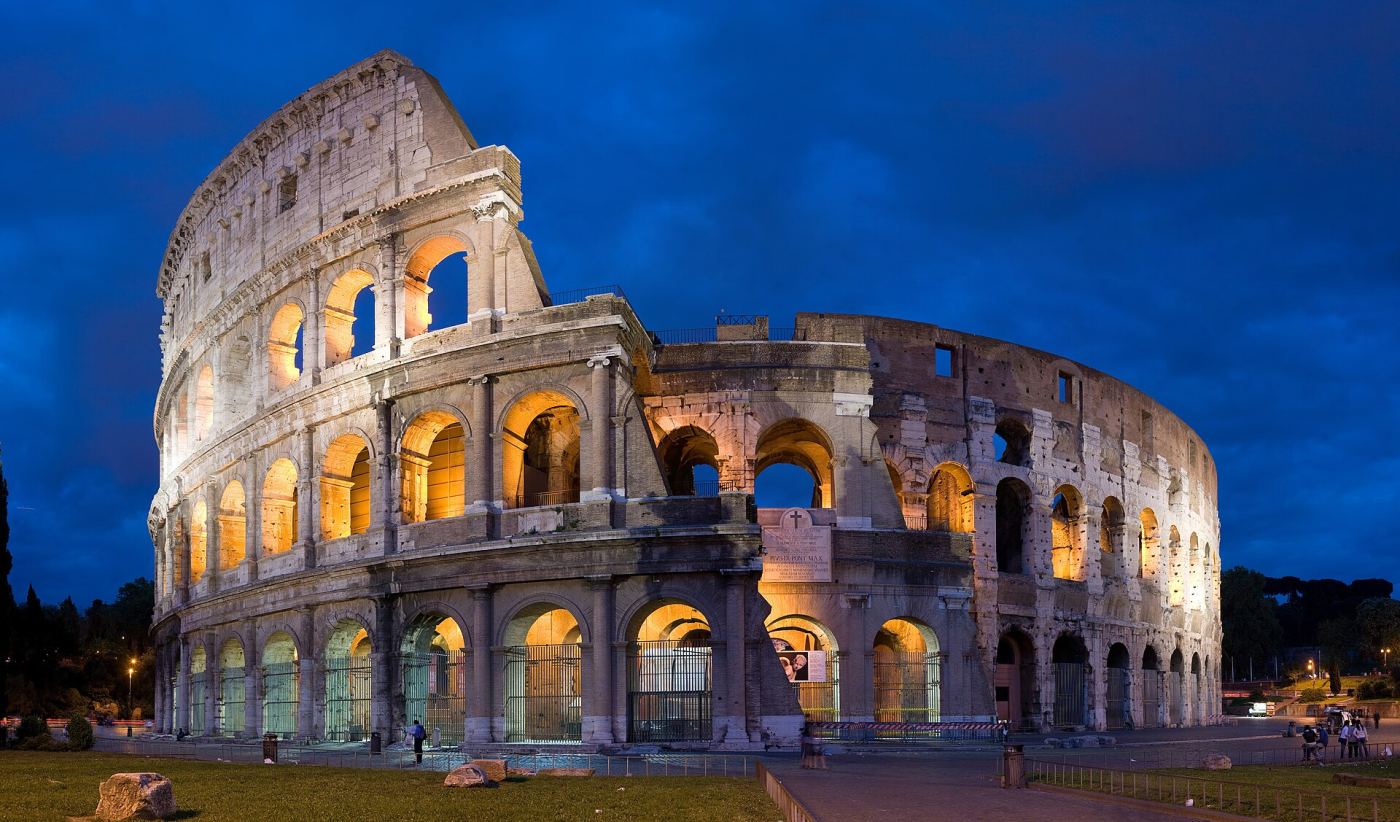
Rome is a city where 2,000 years of history sit stacked on top of each other, often on the very same block — which makes it easy to underestimate how long you actually need. The Colosseum, the Vatican, and the historic center can technically be rushed through in two days, but Rome's layered history rewards a slower look far more than most European capitals.
For most first-time visitors, 3 to 4 days is the range that works — enough for the ancient sites, the Vatican, and a proper trattoria dinner or two, without feeling like a sprint.
Rome Trip Length at a Glance
🗓️ What Affects How Many Days You Need
A few things shift the ideal length of a Rome trip:
• The Vatican alone can take half a day or more if you want to see the Sistine Chapel and Vatican Museums properly, rather than rushing through.
• Day trips — Pompeii, Tivoli, and Ostia Antica are all popular full-day add-ons from Rome, each pushing your ideal trip out by a day.
• Pace — Rome's historic center is compact and walkable, but the sheer density of sights means a slower pace often sees just as much as a rushed one, with far less exhaustion.
• Booking ahead — Colosseum and Vatican tickets booked in advance save hours of queuing, effectively buying back time you'd otherwise lose to lines.
⚡ 2 Days: The Highlights Visit
If Rome is one stop on a wider Italy trip, two days still covers the essentials, provided tickets are booked ahead and you accept a fast pace.
| Day | Morning | Afternoon | Evening |
|---|---|---|---|
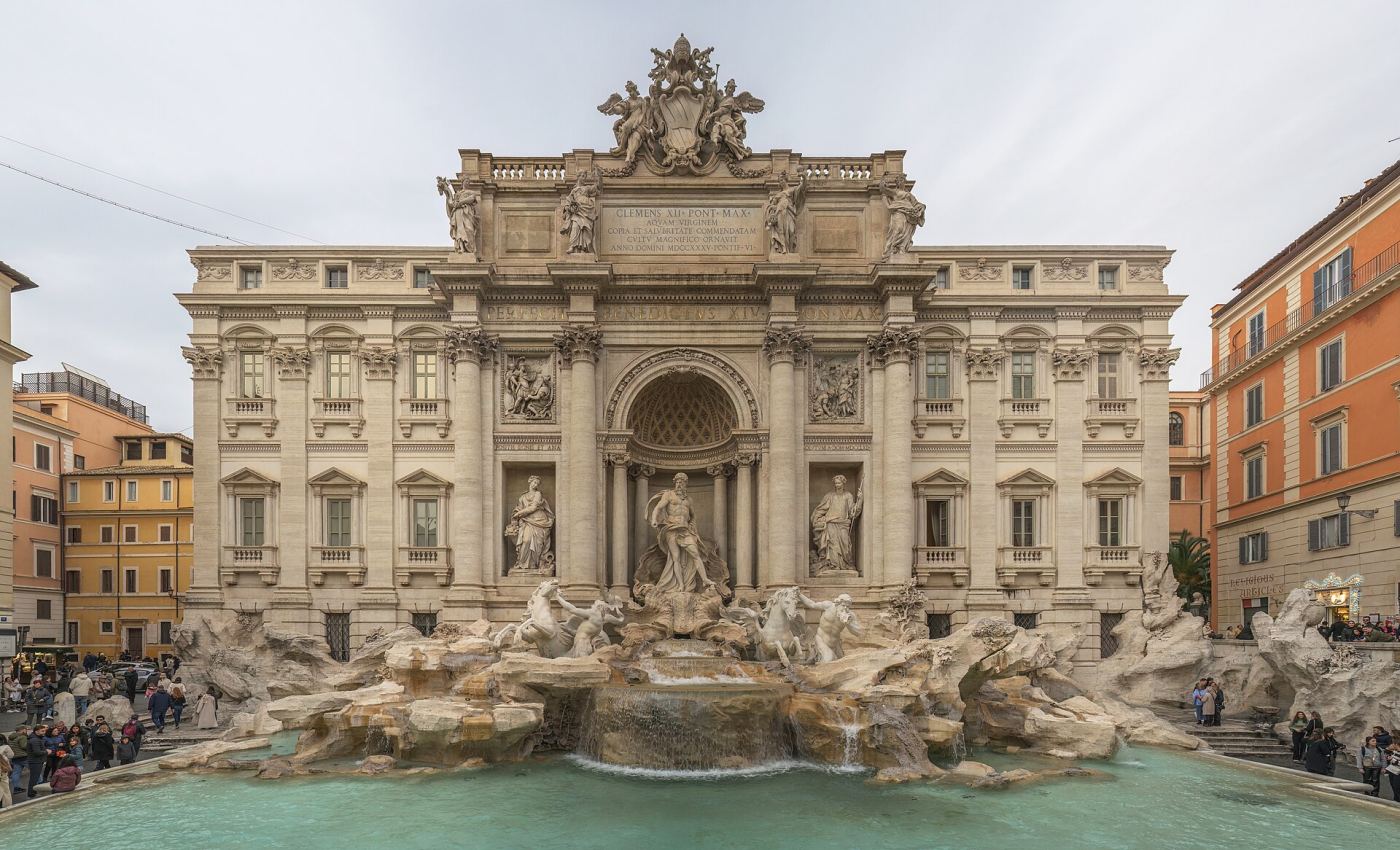
| Day 1 | Colosseum & Roman Forum | Palatine Hill & a walk to the Pantheon | Trevi Fountain at night |
| Day 2 | Vatican Museums & Sistine Chapel | St. Peter's Basilica | Trastevere for dinner |
Book Colosseum and Vatican tickets online well ahead — at this pace, there's no buffer for hours-long same-day lines.
✅ 3–4 Days: The Sweet Spot
This range lets you properly explore the historic center, the Vatican, and Trastevere, with time left over for a genuinely unhurried trattoria dinner or two and a wander through neighborhoods most two-day visitors skip, like Testaccio or the Aventine Hill.
🌍 6–7 Days: The Deep Dive With Day Trips
With six or seven days, Rome opens up considerably — enough time for Pompeii or Tivoli as full day trips, a slower pace through the Vatican Museums, and neighborhoods like Monti and Testaccio that reward simply wandering rather than checking off sights.
🚆 Best Day Trips to Add if You Have Extra Time
Pompeii
The remarkably preserved ruins of a Roman city buried by Mount Vesuvius. About 2 hours by high-speed train to Naples, plus a local connection.
Tivoli
Villa d'Este's dramatic fountain gardens and the ruins of Hadrian's Villa. About 1 hour by train.
Ostia Antica
Rome's ancient port city, with ruins nearly as extensive as Pompeii but a fraction of the crowds. About 30 minutes by train.
🏟️ Skip the Colosseum Line
Whatever length trip you settle on, book Colosseum tickets ahead — same-day lines can eat up half a day in peak season, and guided options include access to the arena floor and underground chambers that general admission doesn't cover.
⏱️ How Much Time Do You Actually Need?
| Traveler Type | Recommended Days |
|---|---|
| First-time visitor, no day trips | 3–4 Days |
| First-time visitor, 1 day trip | 4–5 Days |
| Repeat visitor | 3 Days |
| Slow traveler / Italy road trip base | 7+ Days |
💡 Tips for Making the Most of Your Time
A few habits make a real difference to how much you actually see, whatever length trip you settle on:
• Book the Colosseum and Vatican Museums with a timed entry slot before you land — same-day tickets can mean hours of queuing, especially between May and September.
• Group sightseeing by neighborhood — the historic center (Colosseum, Forum, Pantheon, Trevi) is walkable as one block, while the Vatican sits far enough away to deserve its own dedicated morning or afternoon.
• Pace yourself with a proper sit-down lunch rather than grabbing something quick — a two-hour trattoria lunch is a genuinely good use of time in Rome, not a distraction from sightseeing.
• Wear comfortable shoes — Rome's cobblestone streets (sampietrini) are charming but hard on the feet over a long day of walking.
🌤️ Best Time of Year to Visit
April to June and September to October offer the most comfortable balance of weather and crowds — summer in Rome runs hot and humid, and August in particular sees many local restaurants and shops close as Romans themselves leave the city on holiday. Winter is quieter and often cheaper for accommodation, though a handful of outdoor sites keep shorter hours, and rain is more likely than in the shoulder seasons.


