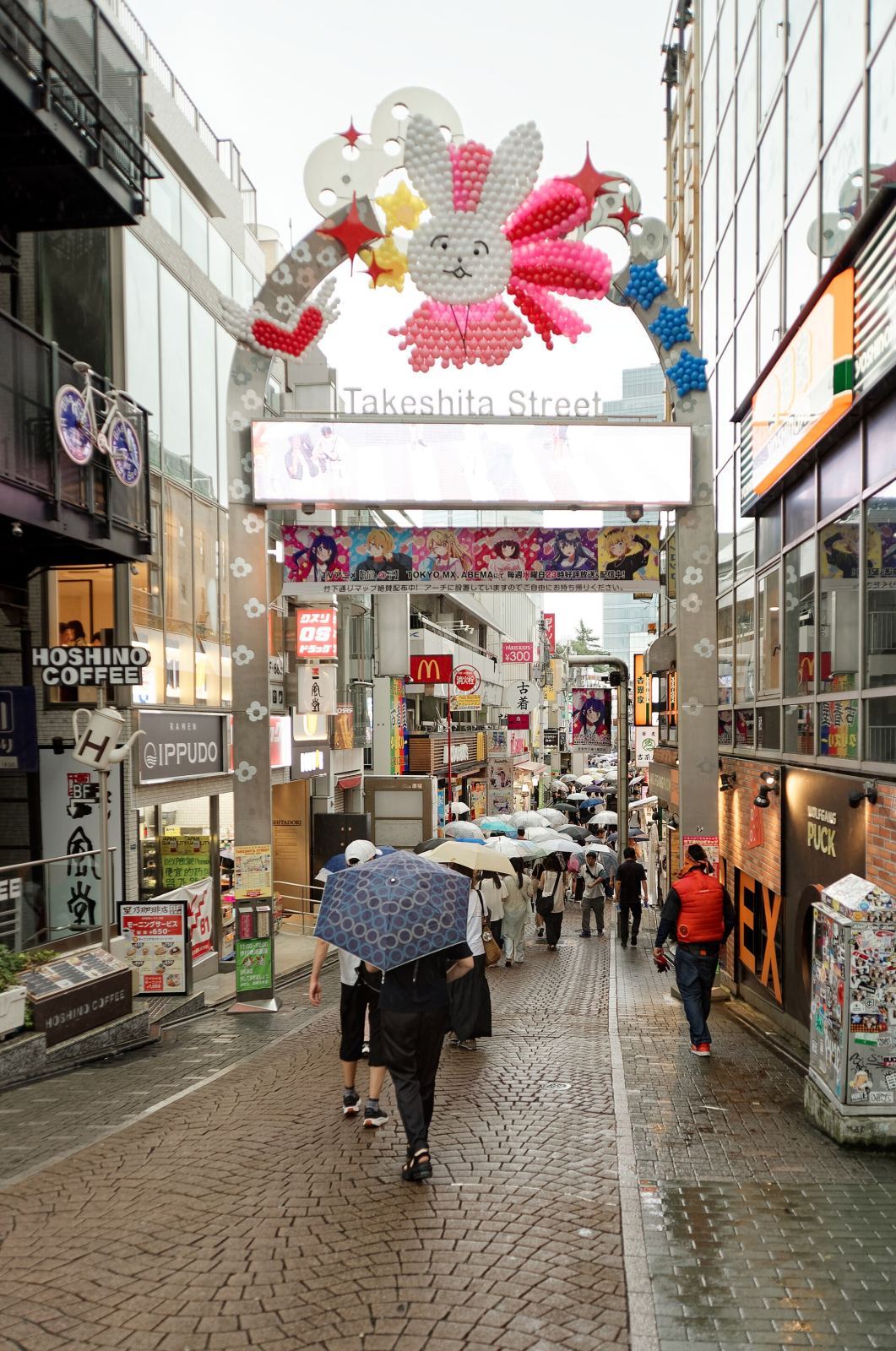
How Many Days Do You Need in Tokyo?
From a rushed 2-day stopover to a leisurely 10-day deep dive — here's exactly how much time to budget for Tokyo, with sample itineraries for every trip length.
One of the most common questions first-time visitors ask is simple: how many days do you actually need in Tokyo? The honest answer depends on your travel style, but there's a clear range that works for almost everyone.
For most first-time visitors, 5 to 7 days is the sweet spot — enough time to cover the major neighborhoods, eat well, and still take a day trip outside the city without feeling rushed. If you're tight on time, 3 days can work, but you'll need to pick your priorities carefully. If you have 10 days or more, Tokyo genuinely rewards the extra time with day trips, slower mornings, and neighborhoods most visitors never see.
Tokyo Trip Length at a Glance
🗓️ What Affects How Many Days You Need
A few factors change the math for your specific trip:
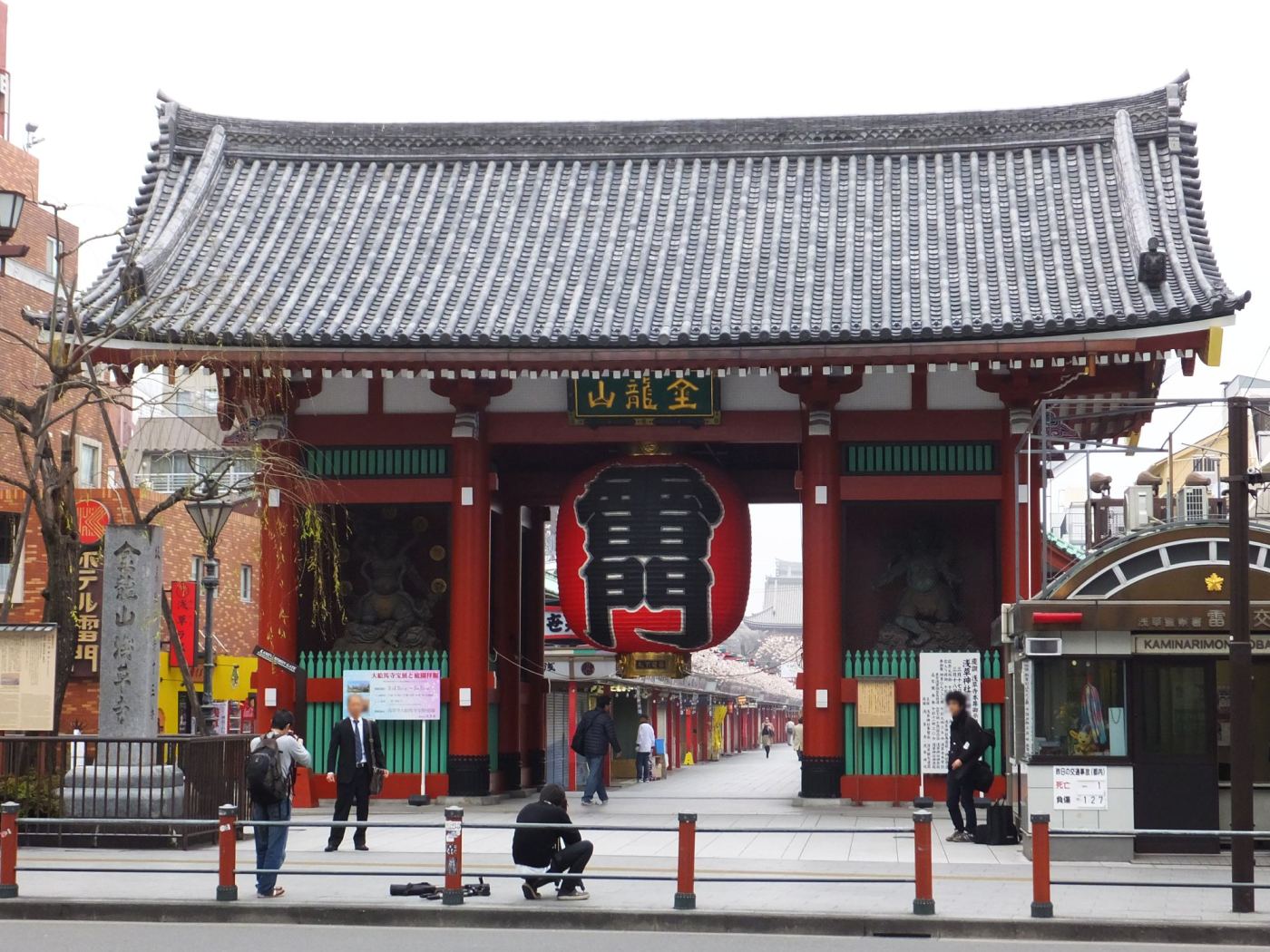
• First visit vs. repeat visit — first-timers usually want more time to cover the classic sights (Senso-ji, Shibuya, Shinjuku), while repeat visitors can move faster and focus on specific neighborhoods or interests.
• Day trips — popular add-ons like Nikko, Hakone, Kamakura, or Mount Fuji each take a full day and push your ideal trip length out by one day per trip.
• Travel pace — Tokyo is huge, and packing in too much each day leads to burnout. A slower pace of two or three activities a day means you'll need more overall days to see the same amount.
• Jet lag — if you're arriving from far outside Asia, build in at least a half-day buffer near the start of your trip before you're operating at full energy.
⚡ 2–3 Days: The Whirlwind Visit
If Tokyo is just one stop on a larger Japan itinerary, two to three days can still give you a real taste of the city. You'll need to pick one or two neighborhoods per day and skip day trips entirely.
| Day | Morning | Afternoon | Evening |
|---|---|---|---|
| Day 1 | Senso-ji Temple, Asakusa | Ueno Park & museums | Akihabara |
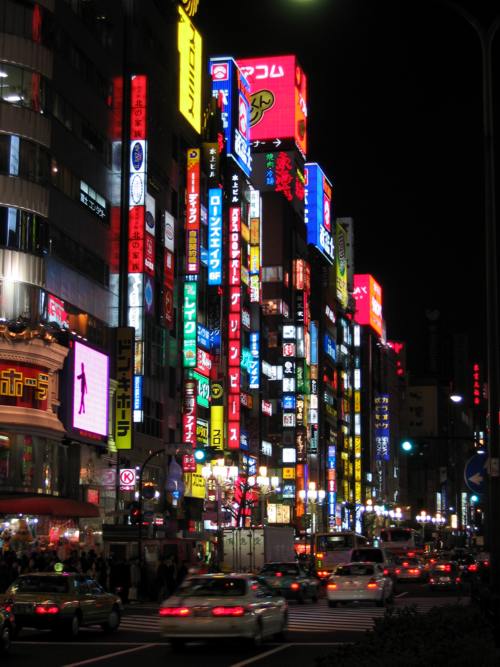
| Day 2 | Meiji Shrine | Harajuku & Shibuya Crossing | Shinjuku nightlife |
| Day 3 (half) | Tsukiji Outer Market breakfast | Ginza shopping | Departure |
At this pace, plan on picking one or two major sights per neighborhood rather than trying to see everything — and skip day trips entirely. You'll leave with a great first impression, but also a reason to come back.
✅ 5–7 Days: The Sweet Spot for First-Timers
This is the range most travel guides (including this one) recommend for a first Tokyo trip. It's enough time to properly explore Asakusa, Shibuya, Shinjuku, Harajuku, and Akihabara, eat at a proper mix of restaurants and street food, and still fit in one day trip — Nikko, Hakone, or Kamakura are all popular choices.
A typical 6-day structure might look like: two days in central/east Tokyo (Asakusa, Ueno, Akihabara), two days in west/south Tokyo (Shibuya, Harajuku, Shinjuku), one full day trip outside the city, and one flex day for whatever caught your eye along the way — a return visit to a favorite neighborhood, a themed café, or a specific museum.

🏨 Wherever You Land on Trip Length, Book Your Stay Early
Whether you settle on 3 days or 10, the best-located, best-value places in Shinjuku, Shibuya, and Asakusa sell out weeks ahead during cherry blossom season (late March–April) and autumn foliage season (November). It's worth locking in accommodation as soon as your dates are set, even before you've finalized the rest of the itinerary.
Booking.com
Free cancellation on most Tokyo hotels, with filters for neighborhood and station proximity.
Search Hotels on Booking.com →Agoda
Strong deals across Asia specifically, often with the best rates on Tokyo business hotels.
Search Hotels on Agoda →🌏 10+ Days: The Deep Dive
With ten days or more, Tokyo shifts from a checklist to something you can genuinely settle into. This is enough time for two or three day trips (Nikko, Hakone, and Kamakura are all doable in one visit), a slower pace with fewer activities per day, and time to revisit neighborhoods that grabbed you the first time around.
Many travelers with this much time also split their trip — spending the second half in Kyoto or Osaka, connected by an easy 2.5-hour bullet train ride. If that's your plan, a common split is 5–6 days in Tokyo and 4–5 days in the Kansai region.
🚃 Best Day Trips to Add if You Have Extra Time
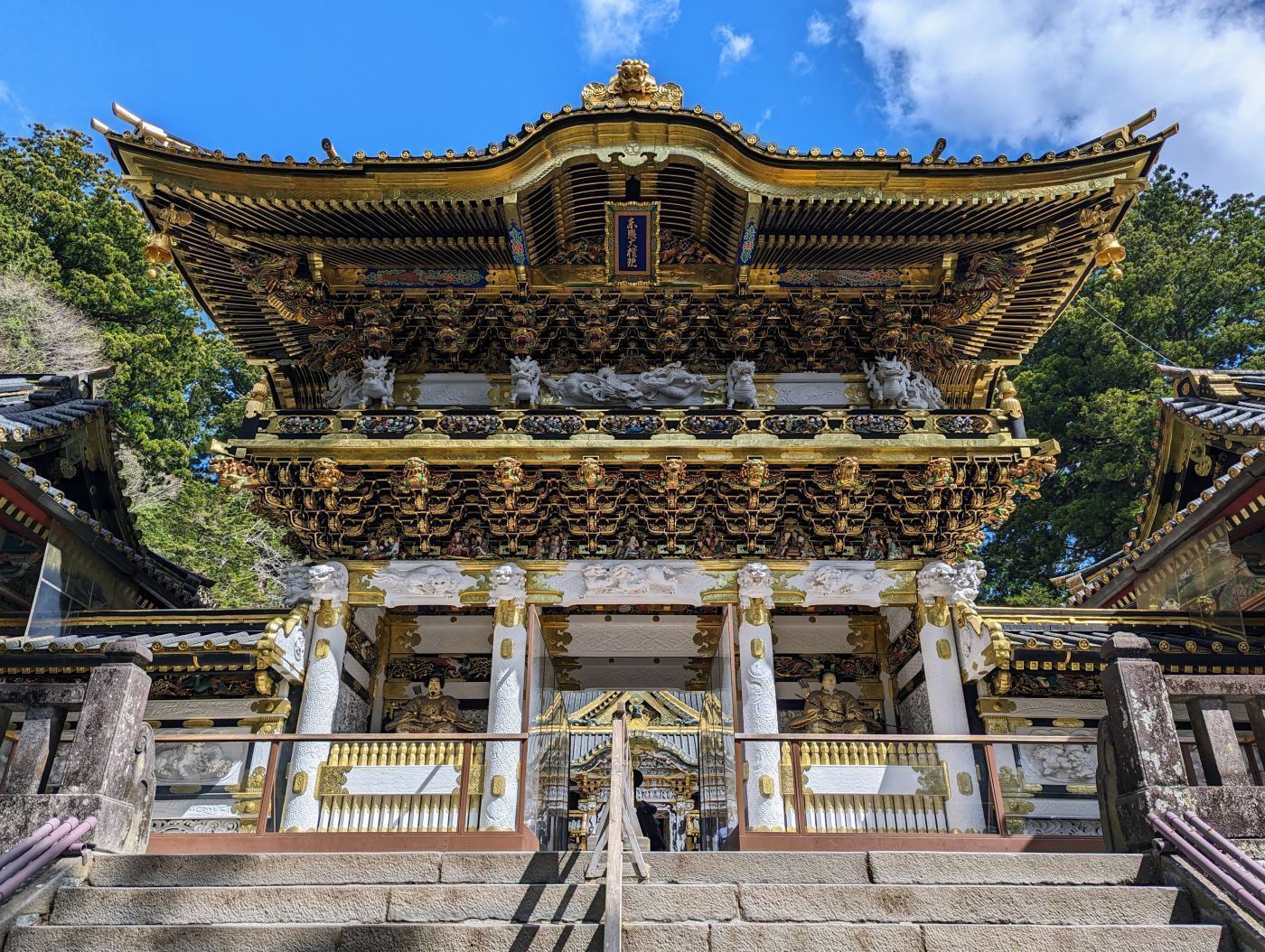
Nikko
Elaborate shrines and waterfalls in a mountain setting. About 2 hours by train each way — best as a full day.
Book This Tour →
Hakone
Hot springs, art museums, and — on a clear day — views of Mount Fuji. About 1.5 hours by train.
Book This Tour →
Kamakura
The Great Buddha, coastal temples, and a laid-back beach town feel. Just 1 hour from central Tokyo.
Book This Tour →
Kawagoe
"Little Edo" — a preserved merchant quarter with Edo-period warehouses. Only 30 minutes away, good for a half-day.
Book This Tour →⏱️ How Much Time Do You Actually Need?
| Traveler Type | Recommended Days |
|---|---|
| First-time visitor, no day trips | 4–5 Days |
| First-time visitor, 1 day trip | 6–7 Days |
| Repeat visitor | 4–5 Days |
| Slow traveler / combining with Kyoto | 10–14 Days |
💡 Tips for Making the Most of Your Time
Whatever length of trip you settle on, a few habits make a real difference to how much you actually see:
• Get a Suica or PASMO IC card on day one — fumbling with ticket machines at every station adds up to real lost time over a week-long trip.
• Group sightseeing by neighborhood rather than by attraction type. Tokyo is large, and criss-crossing the city to chase a checklist wastes hours you could spend actually exploring.
• Book popular restaurants, teamLab-style digital art shows, or sumo tournament tickets before you land — some of Tokyo's most in-demand experiences sell out weeks in advance, especially during cherry blossom season and autumn foliage season.
• Leave at least one evening unplanned. Some of the best Tokyo memories come from wandering into a random alley in Shimokitazawa or Yanaka rather than following an itinerary to the letter.
• If you're jet-lagged, front-load your itinerary with lower-key neighborhoods (Yanaka, Kagurazaka) and save high-energy areas like Shibuya and Shinjuku for once you've adjusted.
🎟️ Ready to Fill In the Rest of Your Itinerary?
Beyond the four day trips above, Tokyo and the surrounding region have far more guided tours and skip-the-line experiences than any single itinerary can cover — from sushi-making classes to teamLab digital art exhibits.