Kaiseki in Kyoto: Understanding Japan's Multi-Course Tradition
What a kaiseki meal actually involves, what a typical course sequence looks like, and how to try it without an intimidating price tag.
Kaiseki: Kyoto's Multi-Course Tradition
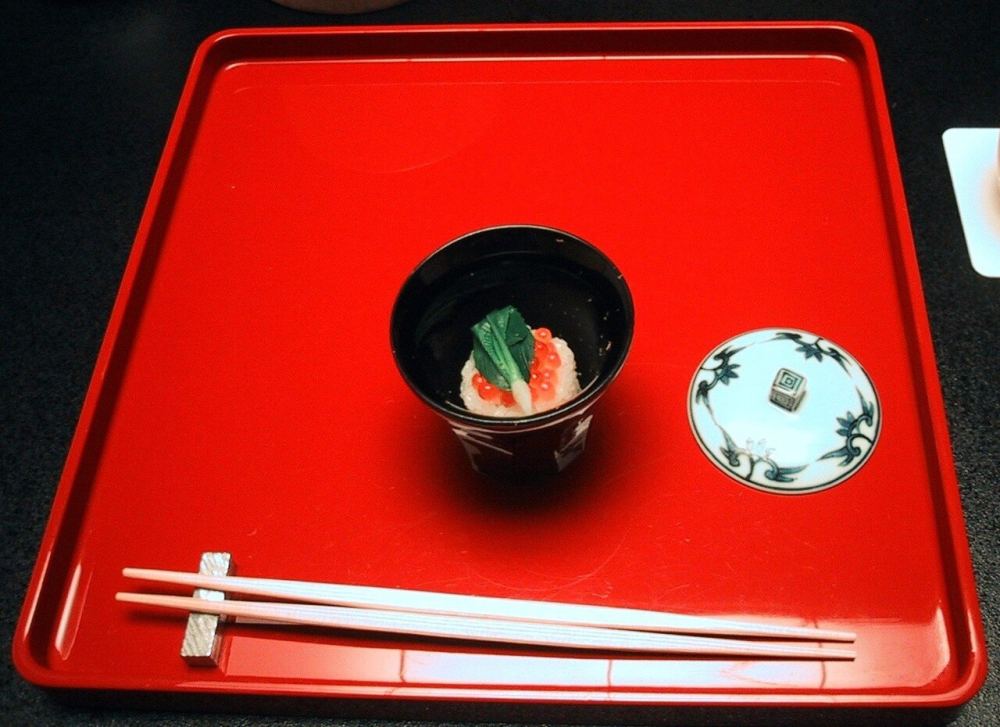
Kaiseki is a formal, multi-course Japanese meal built around the seasons — each course is chosen to reflect a specific moment in the year, from the ingredients used to the plates they're served on. Kyoto is widely considered its birthplace, having developed from the tea ceremony's kaiseki-ryori (a light meal served before tea) and from the elaborate cooking traditions of the city's temple cuisine and imperial court.
Unlike an à la carte restaurant meal, kaiseki is meant to be experienced as a single, deliberate sequence — usually somewhere between 8 and 12 small courses, moving from light and delicate to richer dishes and back down to something simple to close.
A Typical Course Sequence
| Course | What It Is |
|---|---|
| Sakizuke | A small appetizer, similar to an amuse-bouche |
| Suimono | A clear soup, often with a seasonal garnish |
| Mukozuke | Sashimi, arranged and seasonal |
| Yakimono | A grilled dish, often fish |
| Su-zakana | A small palate-cleansing dish |
| Gohan | Rice, served near the end with pickles and miso soup |
| Mizumono | A light seasonal dessert to close the meal |
What to Expect to Pay
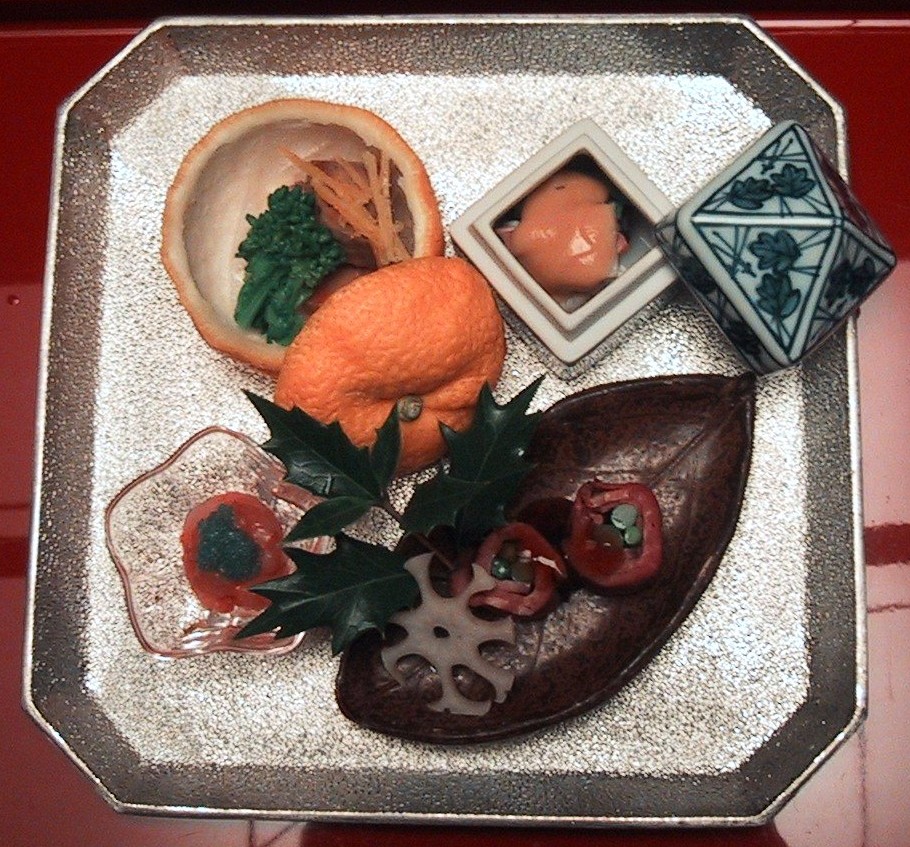
Kaiseki ranges enormously by setting — a modest lunch kaiseki at a casual restaurant can run ¥5,000–¥8,000, while a formal evening kaiseki at a ryokan (traditional inn) or a Michelin-recognized restaurant can run ¥15,000–¥30,000 or more per person. Lunch is generally the better-value way to try it for the first time, since many high-end kaiseki restaurants offer a scaled-down lunch menu at a fraction of the dinner price.
Reservations are essential for most proper kaiseki restaurants, often required days or weeks in advance — walk-ins are rarely accepted, especially in the evening.