Pontocho Alley: Kyoto's Narrow Riverside Dining Street, Explained
A 500-meter alley of lantern-lit restaurants along the Kamogawa River — its history as a geisha district, the summer river-dining tradition, and how to eat there well.
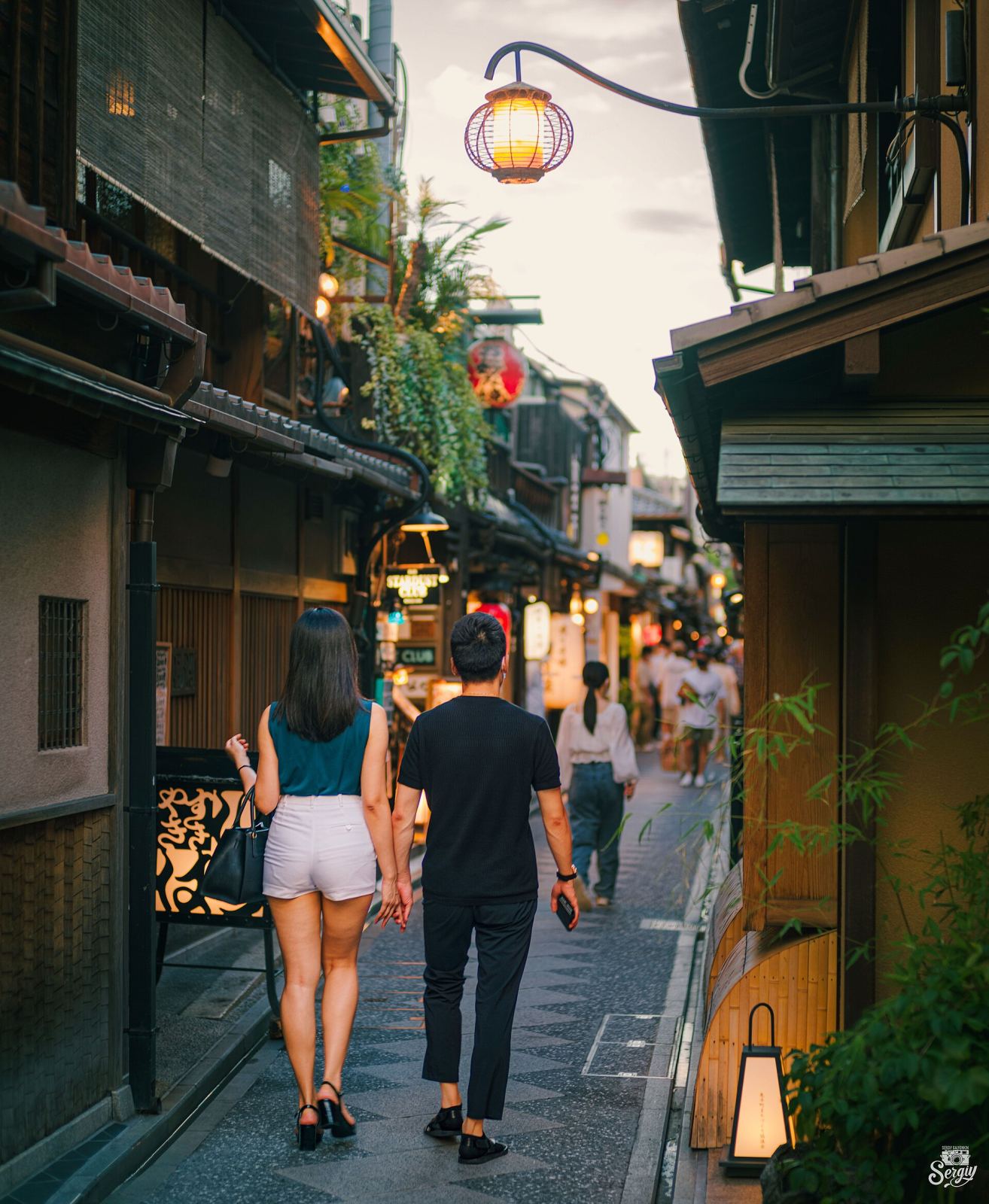
Pontocho is the narrow alley Kyoto locals actually go to for dinner, rather than a street built primarily to be photographed. Running for about 500 meters between Sanjo-dori and Shijo-dori along the west bank of the Kamogawa River, it's barely wide enough for two people to pass comfortably, lined on both sides by two-story wooden buildings glowing with paper lanterns. Where Gion, just across the river, trades heavily on its geisha-district fame, Pontocho feels more like a working entertainment street that happens to have an extraordinary amount of history behind it — over 100 restaurants and bars packed into a corridor you can walk end to end in under ten minutes.
The alley exists because of 17th-century flood control. In 1670, Edo-period authorities reinforced the banks of the Kamogawa River, and the reclaimed strip of land — originally just a sandbar — quickly attracted teahouses and inns catering to travelers and pleasure-seekers. By 1712, Pontocho had been formally recognized as a licensed hanamachi (geisha district), one of Kyoto's historic five alongside Gion. The area also has a claim to a much older art form: kabuki, the highly stylized Japanese dance-drama, is traditionally said to have originated on the riverbank near here in the early 1600s, before later moving to Edo (Tokyo).
Architecturally, Pontocho is one of the best-preserved atmospheric streetscapes in Kyoto — narrow enough that cars have never been able to use it, which has kept its traditional machiya townhouses largely intact. Many buildings still follow the old "eel bed" layout: a narrow shopfront opening onto a much deeper interior, with bengara-red wooden latticework (koshi) on the facades. The alley's biggest seasonal draw is kawadoko (or yuka), the wooden dining platforms that restaurants build out over the Kamogawa River from May through September, letting diners eat literally suspended above the water while catching the evening breeze — a Kyoto summer tradition dating back centuries.
| Time | Atmosphere | Best For |
|---|---|---|
| May-September evenings | Kawadoko river platforms open, alley at its liveliest | The signature Pontocho experience — worth timing a trip around |
| Weeknight dinner (6-8pm) | Busy but manageable, easier reservations | A relaxed first visit |
| Weekend nights | Very crowded, narrow alley gets genuinely tight | Atmosphere over comfort |
| Daytime | Quiet, most restaurants closed or just opening | Photos of the empty alley, not dining |
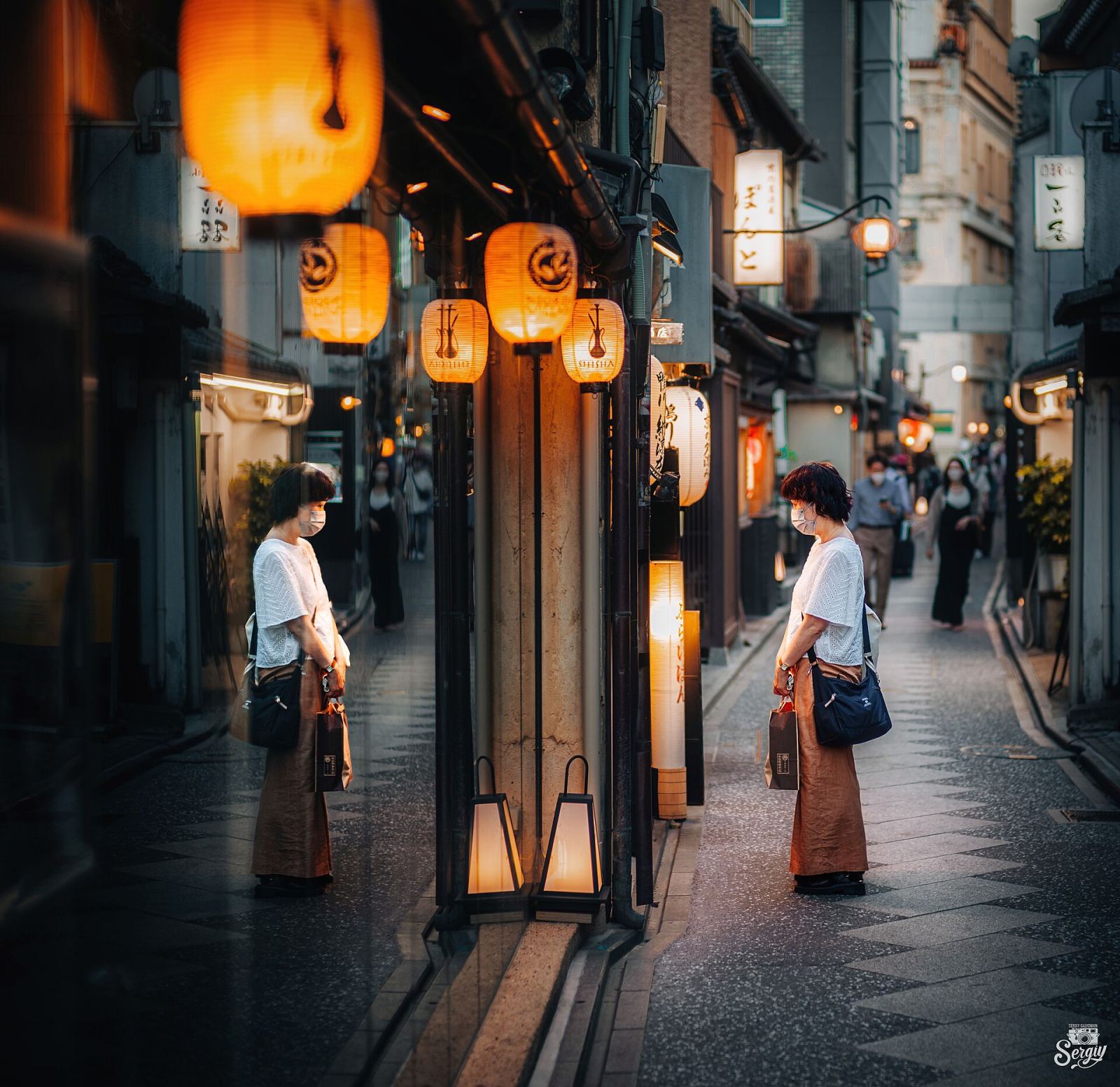
Pontocho spans everything from ¥500 yakitori skewers to ¥20,000+ multi-course kaiseki dinners, often within a few doors of each other. Many of the smaller, better restaurants are reservation-only or seat just a handful of guests, so book ahead if you have a specific place in mind — walking in cold works fine for casual izakaya but rarely for the exclusive spots. If your Japanese is limited, asking your hotel concierge to call ahead is standard practice here and rarely refused.
Pontocho's own Kaburenjo Theater, roughly in the middle of the alley, hosts the Kamogawa Odori — a seasonal dance performance by Pontocho's geiko and maiko, distinct from Gion's Miyako Odori — typically staged in May and again in autumn. Even outside performance dates, the theater's tiled facade is worth a glance. Beyond dining, simply walking the alley end to end at dusk, when the lanterns come on and the crowds haven't yet thickened, is one of the more purely atmospheric things to do in central Kyoto without spending a yen.
Because the alley is so narrow, most restaurants seat only a handful of tables, which means the difference between a merely good meal and a memorable one often comes down to which door you happen to choose. Look for handwritten menus in Japanese only as a rough signal of a more local, less tourist-oriented spot, and don't be put off by unmarked entrances — many of Pontocho's best-regarded restaurants deliberately keep a low profile, relying on repeat local customers rather than street-level signage to fill their handful of seats each night.
One block east, running parallel to Pontocho along the near bank of the Kamogawa, is Kiyamachi-dori — a livelier, more modern nightlife street of bars and izakaya that locals and expats tend to frequent more than tourists. It's worth knowing about as a contrast: where Pontocho trades on centuries of geisha-district heritage and a hushed, almost reverent atmosphere, Kiyamachi is louder, cheaper, and far less self-conscious about being a tourist attraction. Many visitors walk both in a single evening — a quiet dinner in Pontocho followed by a livelier drink in Kiyamachi, or vice versa — since the two streets sit only a couple of minutes' walk apart and offer genuinely different versions of a Kyoto night out.
Pontocho sits directly across the Kamogawa River from Gion and Hanamikoji Street, and the two are easily combined into one evening — cross at Shijo Bridge and you're in Gion in minutes. It's also a short walk from Nishiki Market, Kyoto's famous covered food market, if you'd rather snack your way through the afternoon before a Pontocho dinner. For more of Kyoto's food culture, see our guides to Kaiseki dining and Yudofu, Kyoto's temple-born tofu hot pot, both of which are well represented among Pontocho's restaurants.
Pontocho is reached in a couple of minutes on foot from either Kawaramachi Station (Hankyu Kyoto Line) or Gion-Shijo Station (Keihan Main Line), both of which sit right at the alley's southern end near Shijo-dori. From Kyoto Station, city buses 4, 17, and 205 all stop within a short walk, or it's a straightforward taxi ride of about ten minutes. The alley itself has no vehicle access, so once you're there, everything is on foot.


