Gion and Hanamikoji Street: Kyoto's Historic Geisha District, Explained
Kyoto's most famous street — centuries-old teahouses, working geiko and maiko, and the etiquette every visitor should know before walking it.

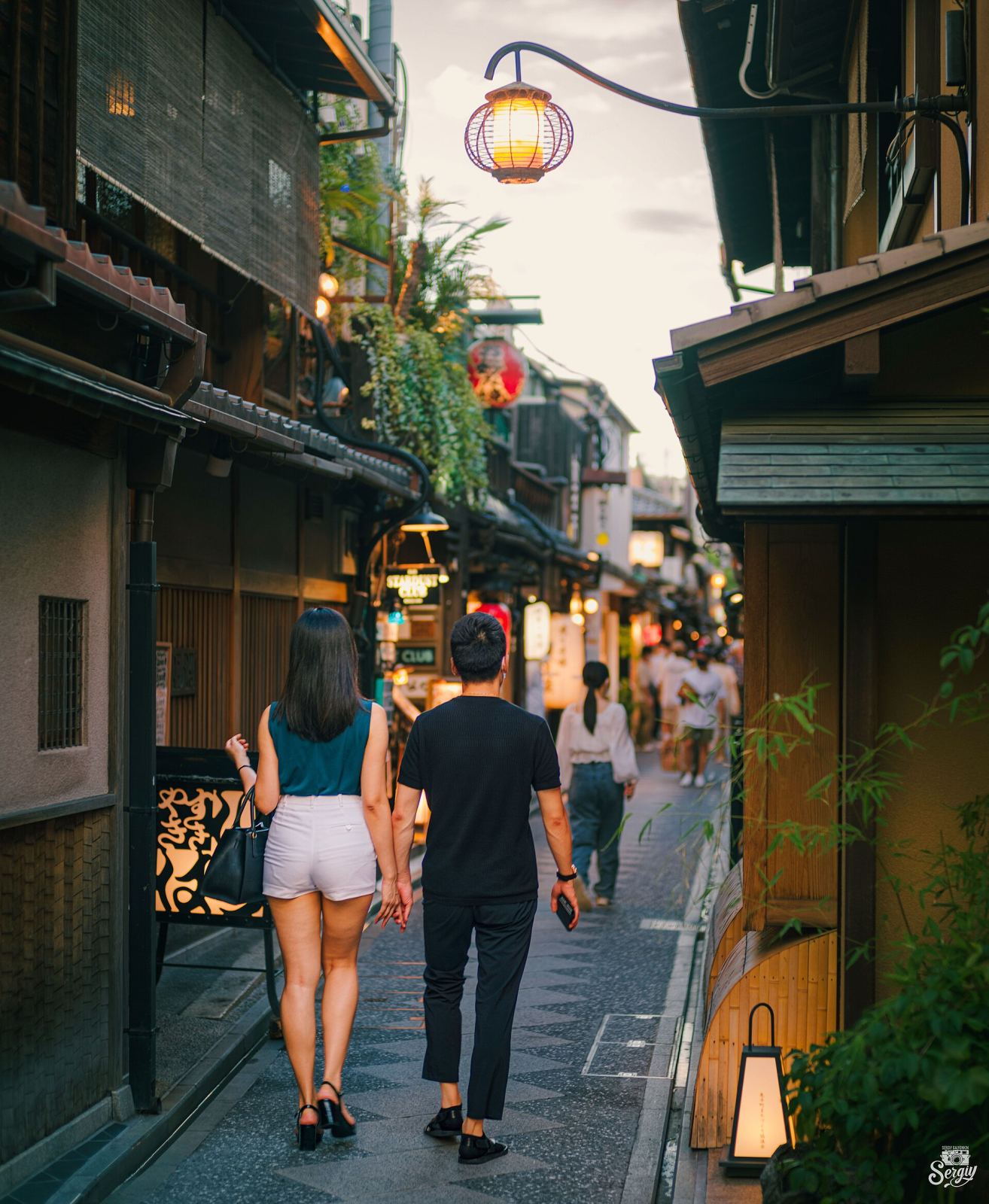
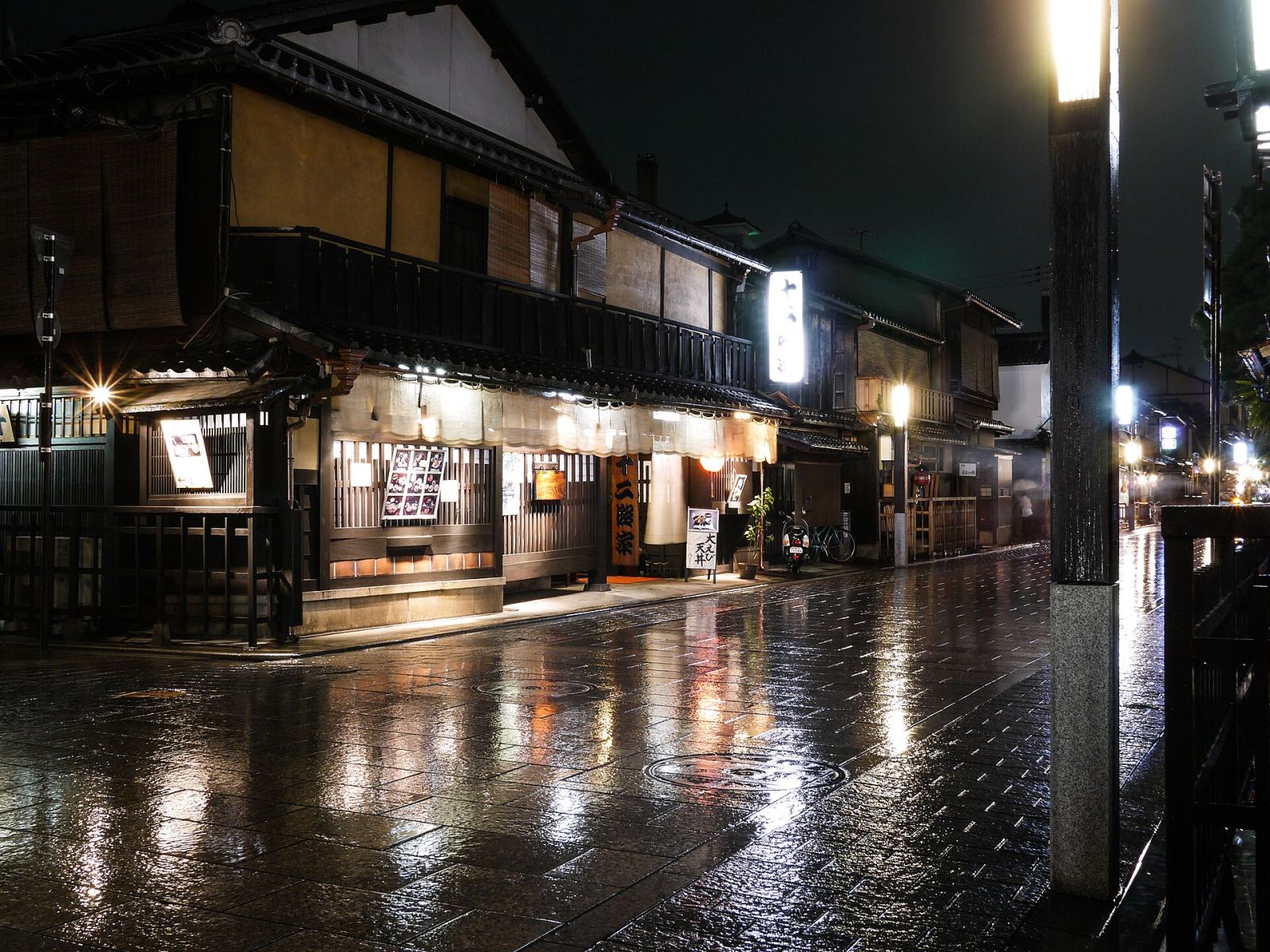
If Kyoto has one street that stands in for the entire city in postcards and travel posters, it's Hanamikoji-dori — the stone-paved spine of Gion, Kyoto's most famous geisha district. Walk it at dusk, when the wooden teahouses light their lanterns and the day-trip crowds thin out, and you'll understand why this single kilometer of street has fascinated visitors for more than a century. It's the closest thing Kyoto has to Tokyo's Takeshita Street or Singapore's Orchard Road: a place so strongly associated with the city that seeing it is treated as a rite of passage, even though most of what happens here — real geiko and maiko heading to appointments, centuries-old teahouses hosting private guests — has nothing to do with tourism at all.
Gion's history stretches back to the late 14th century, when teahouses and stalls sprang up around Yasaka Shrine to serve pilgrims and travelers passing through. The neighborhood's character as an entertainment and teahouse district solidified during the Edo period, but Hanamikoji-dori as we see it today is younger than it looks — it was laid out in the early Meiji era (1868-1912), after political upheaval forced the geisha district to relocate from its original home on Shijo-dori. What moved in became Gion Kobu, the largest and most prestigious of Kyoto's five hanamachi (geisha districts), and it has hosted the Miyako Odori — an elaborate seasonal dance performance — since 1872.
The stretch south of Shijo-dori is where the district's atmosphere is most intact: two-story wooden machiya townhouses, some over 300 years old, line a narrow stone street with barely any modern signage in sight. These are working ochaya (teahouses) rather than museums, which is part of what makes an evening walk here different from most "historic district" experiences elsewhere — you're not looking at a recreation, you're walking past buildings where geiko and maiko are, at that moment, entertaining guests behind the latticed windows. Spotting a maiko hurrying between appointments in full traditional dress is one of the reasons people come, though it's worth remembering these are working professionals on their way to a job, not photo subjects performing for the street.
| Time | Atmosphere | Best For |
|---|---|---|
| Late afternoon (4-6pm) | Good light for photos, moderate crowds, maiko sometimes visible heading to early appointments | First-time visitors wanting daylight photos |
| Dusk (6-7:30pm) | Lanterns lit, teahouses glowing, the classic Gion atmosphere | The best overall experience — come back for this even if you visited earlier |
| Weekday evenings | Noticeably quieter than weekends | Slower, more contemplative walks |
| Late night (after 9pm) | Very quiet, most shops closed | Photography without crowds, less to actually do |
Since 2019, photography on Gion's private side streets has been banned, with fines up to ¥10,000 for violators — the rule exists because tourists have grabbed, chased, and damaged the clothing of working geiko and maiko. In April 2024 this was tightened further: several private alleys (including Kosode Koji) are now off-limits to tourists entirely, marked with trilingual signage. Hanamikoji-dori itself remains open and photographable; it's the narrow side alleys branching off it that are restricted. Treat any geiko or maiko you see as a working professional, not a photo opportunity, and you'll be on the right side of both the law and basic courtesy.
Beyond the geisha-district atmosphere, Gion rewards a slower visit. Yasaka Shrine sits at the eastern end of Shijo-dori, its vermilion gate lit up after dark and its grounds free to wander. Kenninji, Kyoto's oldest Zen temple (founded 1202), sits just south of Hanamikoji-dori and is usually far quieter than the street outside its walls — it's worth ducking into for the contrast alone. Shirakawa, a smaller canal-side lane branching off Gion to the north, is arguably even more photogenic than Hanamikoji itself, with willow trees trailing over the water and a noticeably calmer pace.
Gion Kobu is only one of Kyoto's five historic hanamachi, though it's by far the most famous internationally. Directly across Hanamikoji-dori sits Gion Higashi, a smaller, quieter sister district with its own teahouses and its own seasonal dance performance, the Gion Odori, staged each November — worth knowing about if the crowds on the main street feel overwhelming and you want a lower-key version of the same atmosphere. If your visit lines up with April, the Miyako Odori performed at the Gion Kobu Kaburenjo Theatre is worth booking ahead for: it's a rare chance to see maiko and geiko perform rather than simply glimpse them walking to an appointment, and tickets are sold openly to the public rather than requiring an insider connection, unlike an actual ochaya visit.
Gion connects naturally to two of Kyoto's other classic areas. It's a short walk to Pontocho Alley, Kyoto's other historic entertainment district, across the Kamogawa River. In the other direction, Gion feeds directly into the Higashiyama district and the Sannenzaka-Ninenzaka slopes leading up to Kiyomizu-dera. If you want the fuller temple context for this side of the city, see our guide to Kyoto's Best Temples and Shrines, and for trip-length planning, How Many Days Do You Need in Kyoto? factors Gion into a realistic itinerary.
Gion is reached easily on foot or by rail. Gion-Shijo Station on the Keihan Main Line drops you right at the eastern end of the district, a one-minute walk from Hanamikoji-dori's southern entrance. Kawaramachi Station on the Hankyu Kyoto Line is a 5-10 minute walk from the western side. Numerous city buses from Kyoto Station (the 100 and 206 among them) stop at the Gion bus stop directly. Because the district is compact and mostly pedestrian-friendly, plan to arrive by transit and explore on foot rather than looking for parking.