Kond: Yerevan's Oldest Surviving District
Step into Kond, Yerevan's oldest neighborhood, a hillside maze of centuries-old stone houses that survived Soviet redevelopment largely untouched.
Kond: Yerevan's Oldest Surviving District
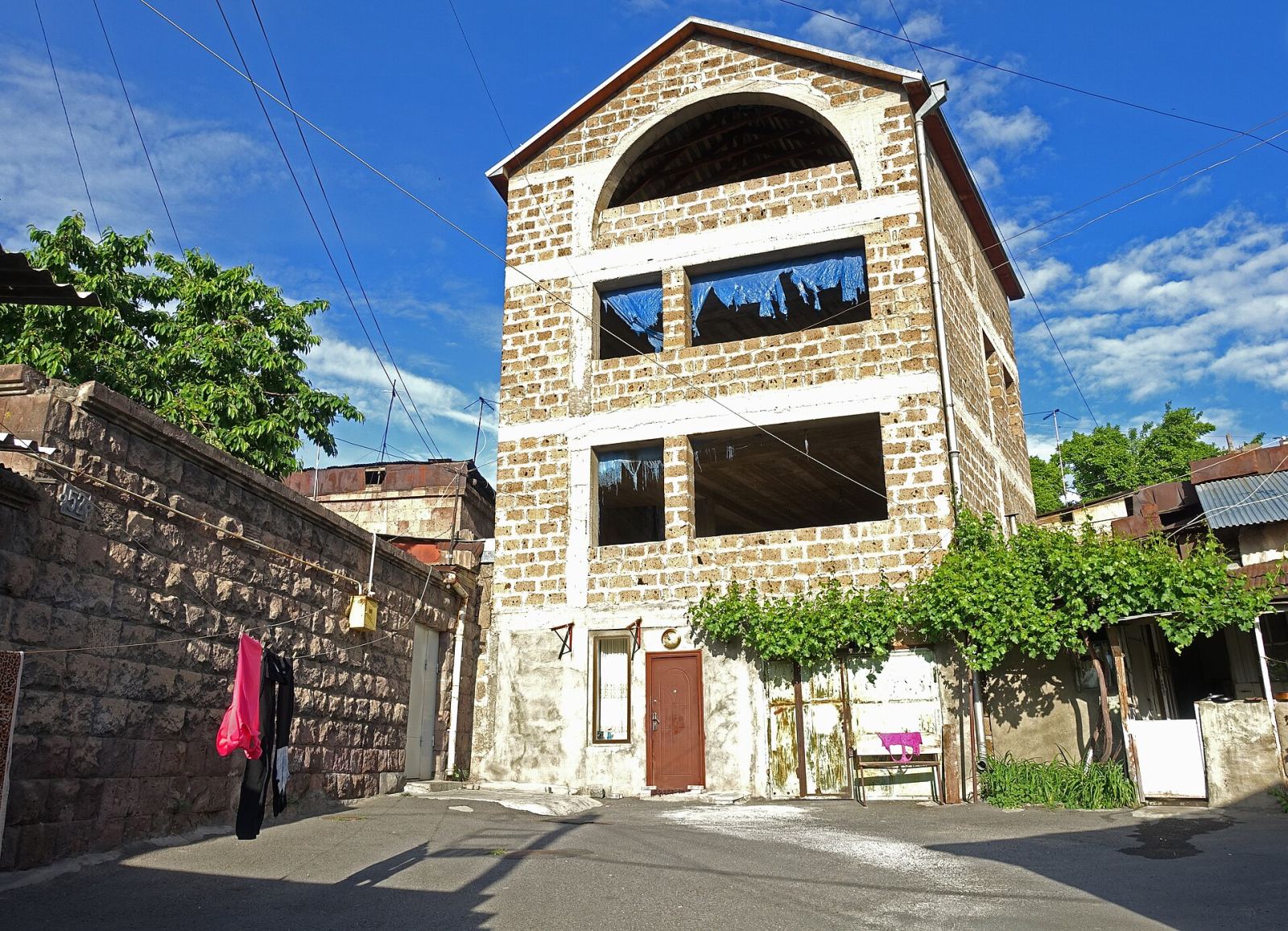
Kond is widely considered Yerevan's oldest surviving neighborhood, a hillside maze of narrow, winding lanes and weathered stone houses perched above the modern city center in the Kentron administrative district. Its name derives from the Armenian word for an elongated or rounded hill, an apt description for the elevated, uneven terrain that has shaped the neighborhood's tangled street layout for centuries. Unlike almost anywhere else in central Yerevan, Kond's basic footprint has remained essentially unchanged since at least the seventeenth century, offering a genuinely rare glimpse of what the city looked like long before Soviet planners reshaped it into the broad boulevards and grand squares visitors see today.
Kond's documented history stretches back to medieval times, but it rose to real prominence in the seventeenth century, when it was recognized as one of Yerevan's three principal districts, alongside Shahar, the old city center, and Demirbulagh. During the period of Persian rule, the neighborhood's population was predominantly Armenian, even as the wider city sat at a genuine crossroads of different religions and ethnic communities. A mosque built in the late seventeenth century, along with its attached religious school, once served the district's smaller Muslim population, functioning until 1828, and its remains still stand today as one of Kond's more unusual historical markers.
When Alexander Tamanyan drew up his sweeping master plan for Soviet Yerevan in the 1920s, remapping most of the city into wide avenues and monumental public squares, Kond was one of the few districts left largely untouched. Tamanyan reportedly intended to eventually convert the neighborhood into a museum district showcasing old Yerevan, but implementing that vision would have required first relocating the several thousand residents still living there, a logistical and political undertaking the Soviet administration never fully carried out. That unfinished plan turned out to be the neighborhood's saving grace: Kond simply slipped through the cracks of twentieth-century redevelopment and kept its historic character largely intact, even as the rest of the city transformed around it.
| Feature | What to Look For | Notes |
|---|---|---|
| Stone houses | Traditional tuff-stone construction, courtyards | Many still inhabited, respect privacy |
| Kond Tower | Remnant of the old fortification | Marks the district's historic edge |
| Old mosque remains | Late 17th-century Persian-era structure | Ceased functioning in 1828 |
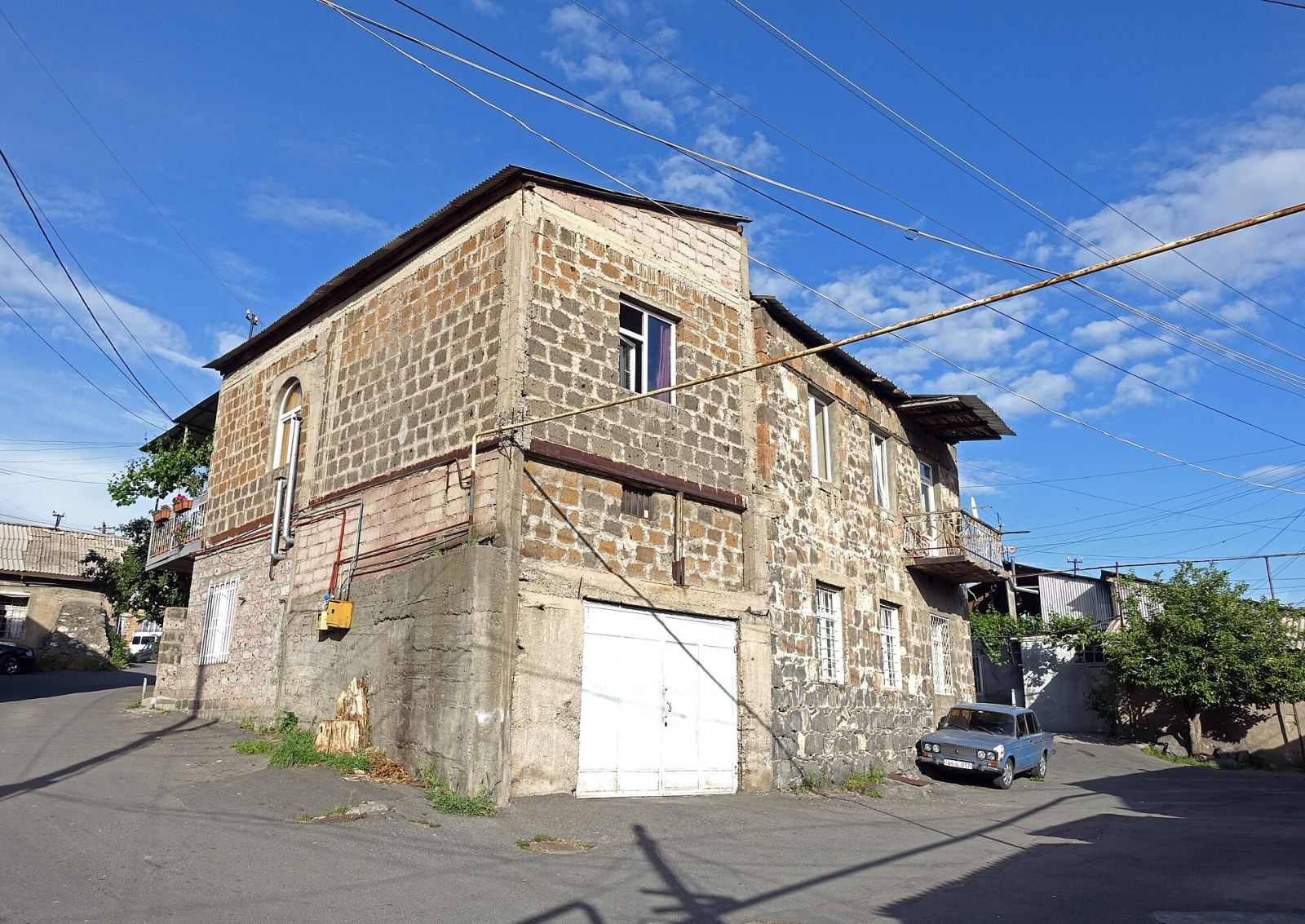
Kond is not a museum or open-air exhibit but a genuinely inhabited residential district. Visitors are welcome to walk its streets, but should be respectful of privacy, since many of the historic houses remain family homes rather than tourist sites.
Walking through Kond today feels distinctly different from anywhere else in central Yerevan. Narrow lanes twist unpredictably between low stone houses, many still fronted by small courtyards, grapevines, and the occasional Soviet-era car parked in an impossibly tight space. Some buildings show clear signs of age and neglect, their facades crumbling in places, while others have been carefully maintained by residents whose families have lived there for generations. This visible contrast between preservation and decline has made Kond a subject of ongoing debate among architects and city planners, some of whom advocate for a formal heritage designation while developers eye the district's central location for potential redevelopment.
From several points within the district, particularly its higher lanes, Kond offers unexpectedly good views over central Yerevan and, on clear days, toward Mount Ararat in the distance, a reminder of just how close this quiet, half-forgotten neighborhood sits to the city's busiest modern streets. The contrast between Kond's weathered stone lanes and the glass-and-tuff towers rising just below makes for one of the more striking juxtapositions available anywhere in the capital, and a short visit here adds real depth to an itinerary otherwise built around Yerevan's grander, more polished landmarks.
In recent years, Kond has also begun attracting attention from artists and small cultural initiatives drawn precisely by the neighborhood's raw, unpolished character, occasionally hosting small exhibitions or community projects aimed at documenting the district before further change arrives. Long-time residents remain divided on what any formal preservation effort should look like, torn between wanting recognition and support for their aging homes and fearing that heritage status could bring the same kind of touristic pressure that has reshaped other historic quarters elsewhere in the world. That tension, between memory and modernization, is arguably as much a part of Kond's current identity as its physical stone lanes.
Kond sits close to central Yerevan, roughly a fifteen-minute walk from Republic Square, though the district's steep, uneven lanes mean comfortable footwear matters more here than almost anywhere else in the city. There is no organized tourist infrastructure within Kond itself, no ticket booths or marked routes, so visiting means simply wandering and taking in the atmosphere at your own pace. Because the neighborhood remains a real residential area rather than a preserved historic site, visiting during daylight hours and moving through respectfully is the best way to experience it responsibly, treating the visit more like a quiet walk through someone else's home turf than a checklist attraction to photograph and leave, a mindset that tends to make the experience noticeably more rewarding for visitor and resident alike, and one that leaves a far better impression than treating the neighborhood as just another photo opportunity to check off a list.


