Northern Avenue: Yerevan's Modern Pedestrian Boulevard
Walk Northern Avenue, Yerevan's wide pedestrian boulevard of designer shops, cafes, and pink tuff stone architecture linking Republic Square to the Opera House.

Northern Avenue: Yerevan's Modern Pedestrian Boulevard
Northern Avenue is Yerevan's youngest major thoroughfare, a wide, arrow-straight pedestrian boulevard that connects Freedom Square, home to the Opera House, with Republic Square via Abovyan Street. At just 450 meters long and 27 meters wide, it is short by the standards of the world's grand avenues, but its scale and ambition are entirely deliberate: the street was conceived from the start as Yerevan's answer to a European high street, lined with pink and beige tuff stone buildings, high-end shops, and cafe terraces that stay busy from morning until well past midnight.
The idea for Northern Avenue is far older than the street itself. Alexander Tamanyan, the architect who designed Yerevan's entire post-revolutionary master plan in 1924, envisioned a grand boulevard connecting the city's civic core with its cultural heart, but the project was never built during the Soviet period, existing only as a line on Tamanyan's original plans for decades. Construction of the avenue Yerevan actually has today did not begin until 2002, finally opening to the public in 2007, making Northern Avenue simultaneously one of the oldest ideas and one of the newest physical spaces in the entire city.
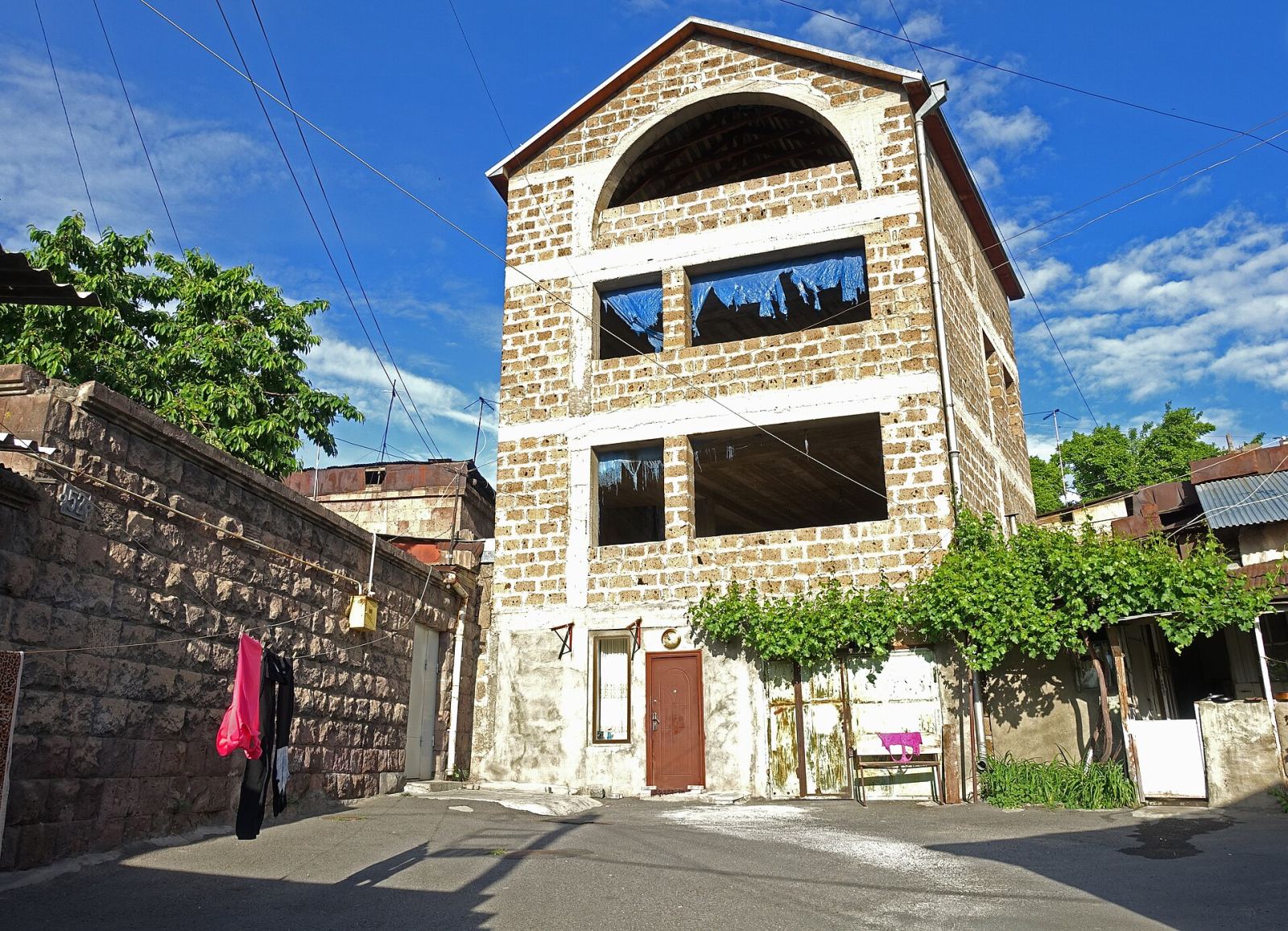
Building Northern Avenue required demolishing a dense, historic residential neighborhood that had stood on the site for generations, a decision that remains controversial among Yerevan residents and architectural historians to this day. Critics argue the project displaced long-time residents and erased an authentic slice of the city's urban fabric in favor of an artificially uniform, upscale streetscape aimed more at investors and tourists than ordinary Yerevantsis. Supporters counter that the avenue finally realized nearly a century of unfulfilled urban planning and gave the city center a genuinely walkable, car-free public space that Yerevan had long lacked. Whatever side of that debate you land on, the finished street is undeniably one of the most photogenic in the city.
| Time of Day | Atmosphere | Best For |
|---|---|---|
| Morning | Quiet, shops opening | Coffee, photos without crowds |
| Afternoon | Busy with shoppers | Browsing boutiques, people-watching |
| Evening | Lively, terraces full | Dinner, drinks, live music from nearby squares |
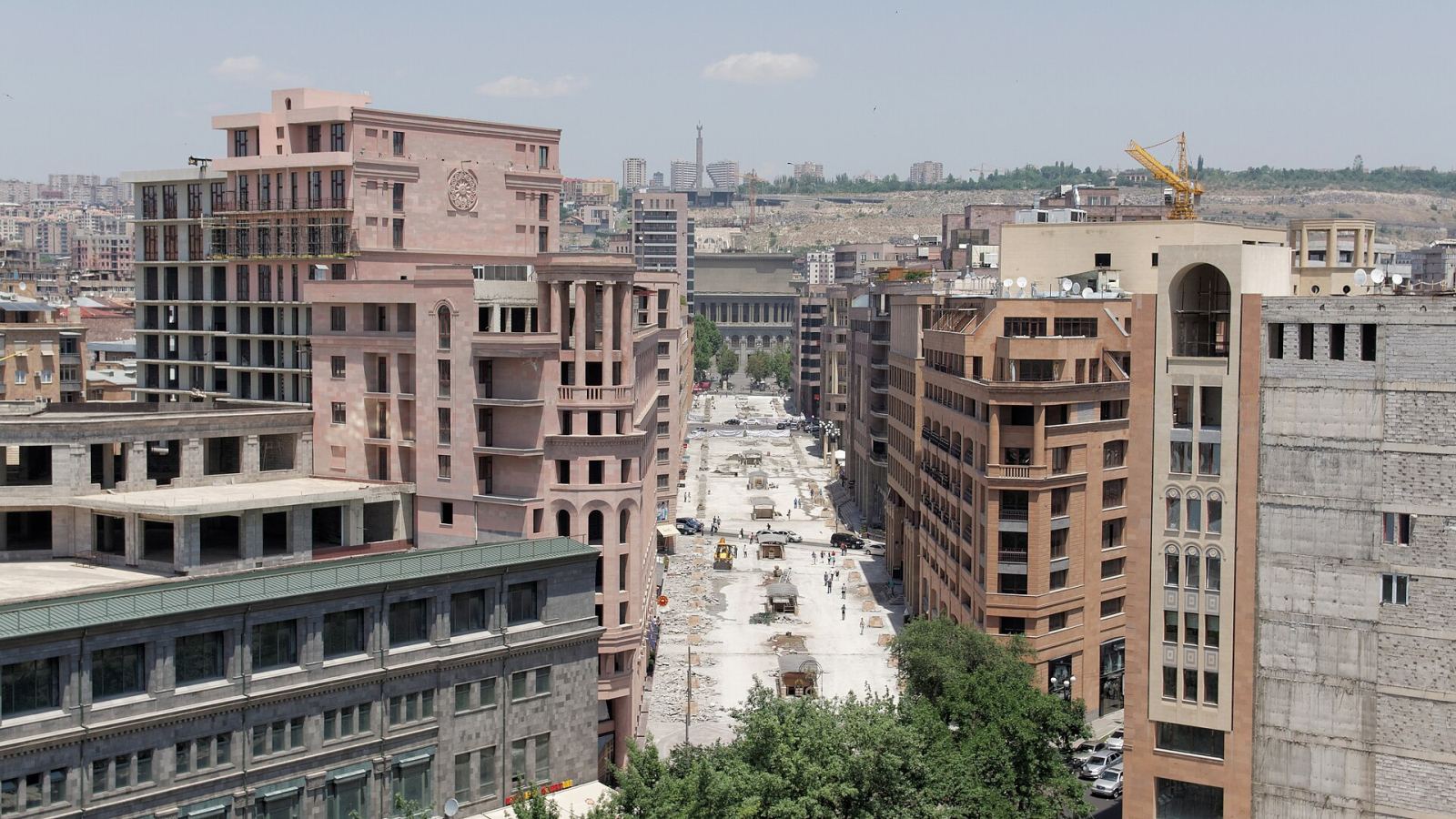
Nearly every building along Northern Avenue is faced in Armenian tuff stone, the same volcanic rock used throughout central Yerevan, which shifts color from soft pink to warm orange depending on the light and time of day.
Today the avenue functions as Yerevan's most concentrated stretch of international and high-end local retail, home to fashion boutiques, jewelry shops, and flagship stores that would be hard to find elsewhere in Armenia. Ground-floor cafes and restaurants spill out onto wide terraces on both sides of the street, and in warmer months, the entire boulevard takes on an outdoor-living-room quality, with residents and visitors alike treating a slow walk down Northern Avenue as a genuine evening activity rather than simply a route between two points. Street musicians and occasional public art installations add to an atmosphere that feels distinctly more cosmopolitan than much of the rest of the city.
Because Northern Avenue sits directly between two of Yerevan's most important public spaces, it naturally functions as a connective spine for a day of sightseeing. Starting at Freedom Square by the Opera House and walking the full length toward Republic Square takes only about ten minutes at an easy pace, but budgeting closer to an hour lets you actually stop, browse, and sit down somewhere along the way. The avenue's straight, open sightlines also make it one of the better vantage points in the city for taking in Yerevan's characteristic pink-toned skyline in a single unobstructed view.
Beyond retail, Northern Avenue has quietly become one of Yerevan's preferred venues for public events and seasonal displays. During winter, the boulevard fills with festive lighting and decorations, drawing families for evening walks, while summer often brings temporary art installations, open-air concerts, and pop-up exhibitions timed to the city's cultural calendar. Because the street is fully pedestrianized and centrally located, it functions as a natural gathering point whenever the city wants to stage something visible to both residents and visitors, reinforcing its role as Yerevan's modern civic stage rather than simply a shopping strip. Local families in particular treat the avenue as a reliable outing destination regardless of season, since the pedestrianized layout and steady stream of open cafes make it comfortable to visit whether the goal is a serious shopping trip or simply an hour spent walking off dinner, regardless of the time of year or the weather outside, which is part of why the avenue has become such a fixture of everyday life for people who live and work nearby, not just visitors passing through on a single trip to the capital, which is ultimately the clearest sign that Tamanyan's century-old vision for the space finally found its footing, decades after the architect first sketched it onto paper without ever seeing it built, a quiet vindication of patient, long-term city planning over quick fixes.
Northern Avenue sits in the very center of Yerevan and is reachable on foot from almost anywhere in the downtown core, typically within ten to fifteen minutes of major hotels and Republic Square itself. There is no public transit running directly through the pedestrian zone, by design, so simply walking is the only way to experience the avenue as intended. Because the street connects two major landmarks, it works well as either a starting point or a closing stretch for a longer day of walking through central Yerevan.