Kyoto's Best Ticketed Attractions: Which Ones Are Actually Worth It
From a $3 railway museum to a full-day Arashiyama tour, here's an honest comparison of Kyoto's best paid attractions — price, time needed, and who each is actually for.

Many of Kyoto's most famous sights — Fushimi Inari, Kiyomizu-dera, the bamboo groves — are free to walk into. This comparison instead covers six paid experiences that add something a free visit can't: a costume change, a boat ride, a mountain of trains, or a day someone else plans for you. From $3 to $46, here's what each one delivers and who it's a poor fit for.
| Attraction | From | Time Needed | Best For |
|---|---|---|---|
| Kyoto Railway Museum | $3.25 | 2–3 hours | Tightest budget, train enthusiasts and kids |
| Nidec Kyoto Tower | $5.69 | 1 hour | A quick skyline view near the station |
| Kyoto Aquarium | $14.70 | 2 hours | Families, a rainy-day backup |
| Kimono Rental Experience | $19.25 | 3–4 hours | The classic Kyoto photo, dressed the part |
| Hozugawa River Boat Ride | $38.45 | 2 hours | A traditional, scenic way to see Arashiyama |
| Arashiyama, Fushimi Inari & Nara Day Tour | $46.15 | Full day | First-time visitors who want it all planned |
Kyoto Railway Museum — the budget pick
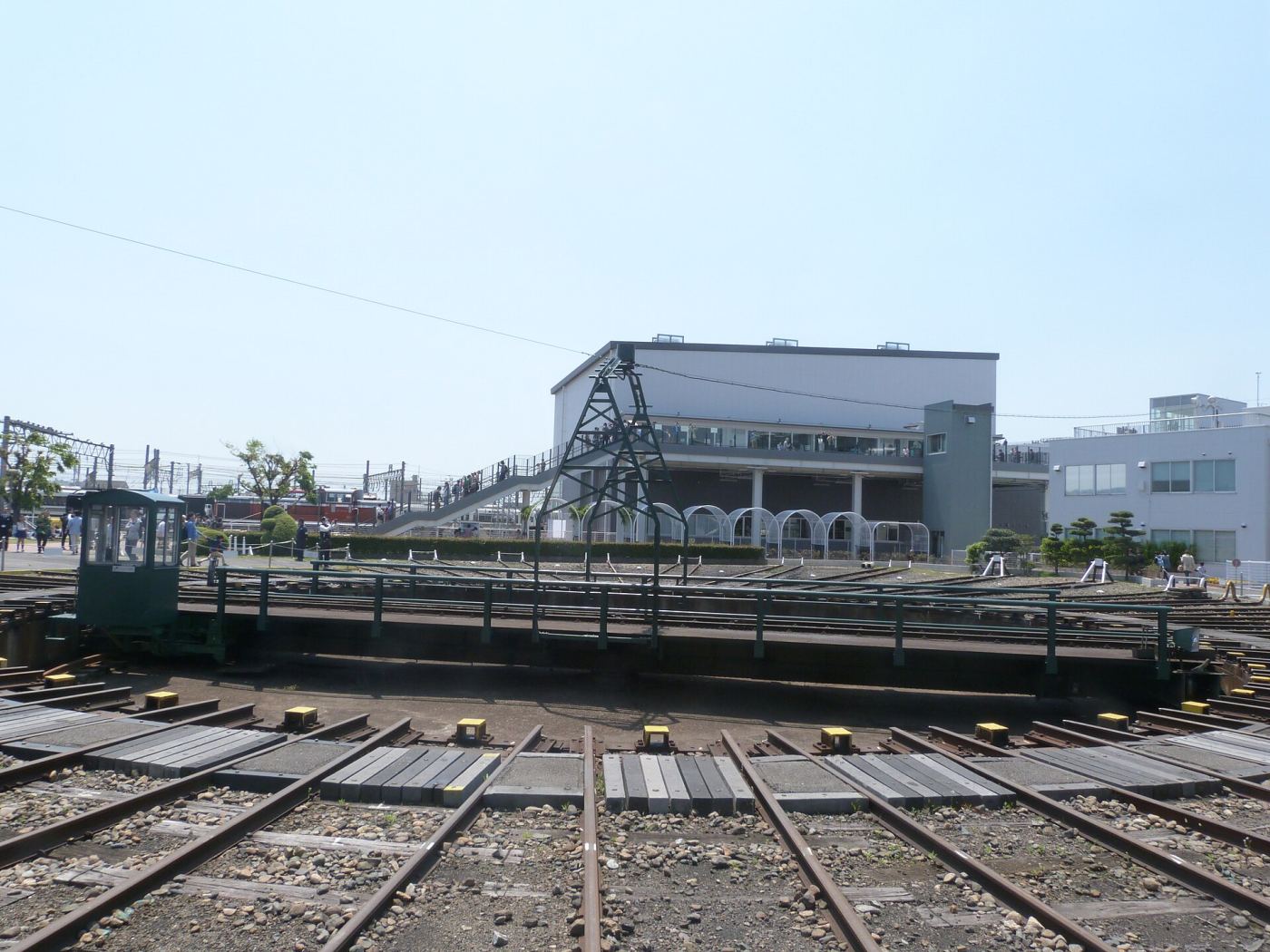
At just over $3, this is the cheapest attraction on this list, and it's a genuinely well-built museum rather than a token exhibit — a working steam locomotive roundhouse, a collection spanning early trains to Shinkansen bullet trains, and a train-conductor simulator that's popular with kids and adults alike. It's not a cultural or scenic experience the way most of Kyoto's paid attractions are, so it's a better fit if trains specifically interest someone in your group rather than a general Kyoto highlight.
Nidec Kyoto Tower — the quick view
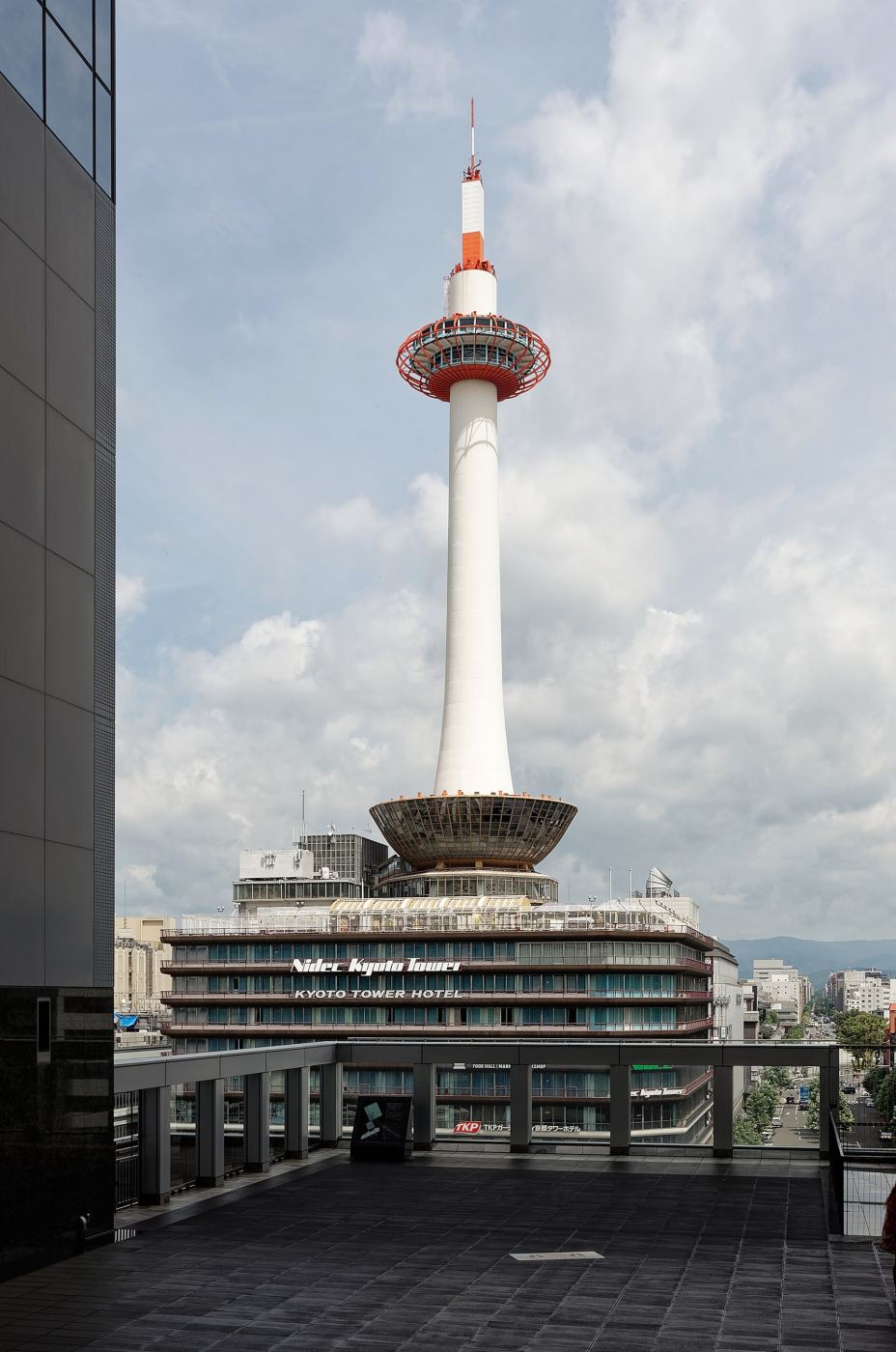
Kyoto has strict height limits to protect views of its temples, which makes this 131-meter tower — right outside Kyoto Station — the tallest thing in the city and the only proper elevated view available. It's a fast visit, easily slotted in right after arriving by train or right before departing, rather than something to plan a separate trip around. The view itself is a city skyline rather than temples or mountains up close, so it's a nice-to-have rather than an essential Kyoto experience.
Kyoto Aquarium — best rainy-day backup
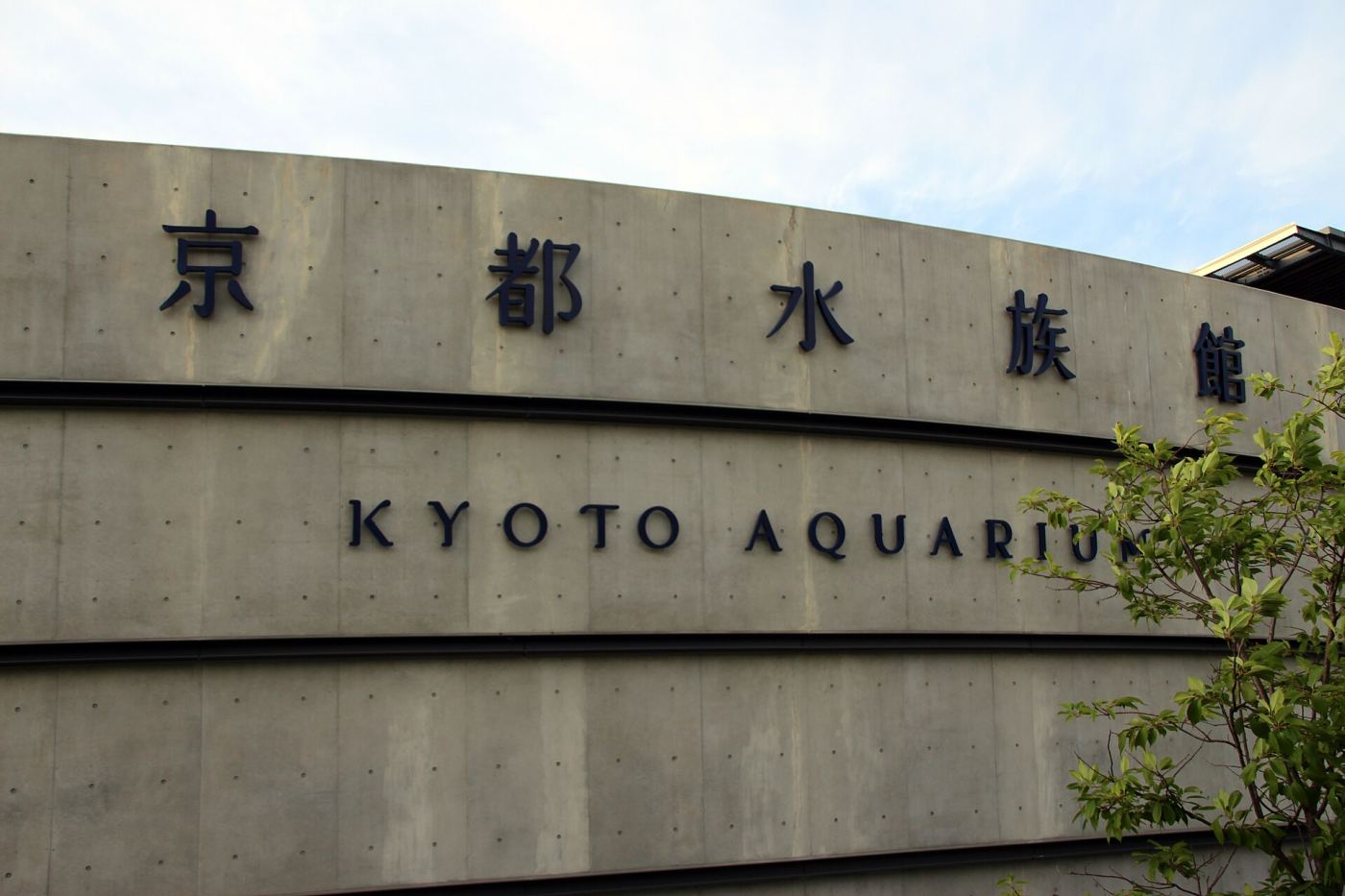
A modern inland aquarium featuring Japanese giant salamanders alongside more typical marine life, with a dolphin show included in general admission. It's entirely indoors and close to the station, which makes it the obvious fallback if weather ruins plans for a temple-heavy day elsewhere in the city. Good for families with young kids specifically; adults traveling without children will likely get more out of almost anything else on this list.
Kimono Rental Experience — the classic Kyoto photo
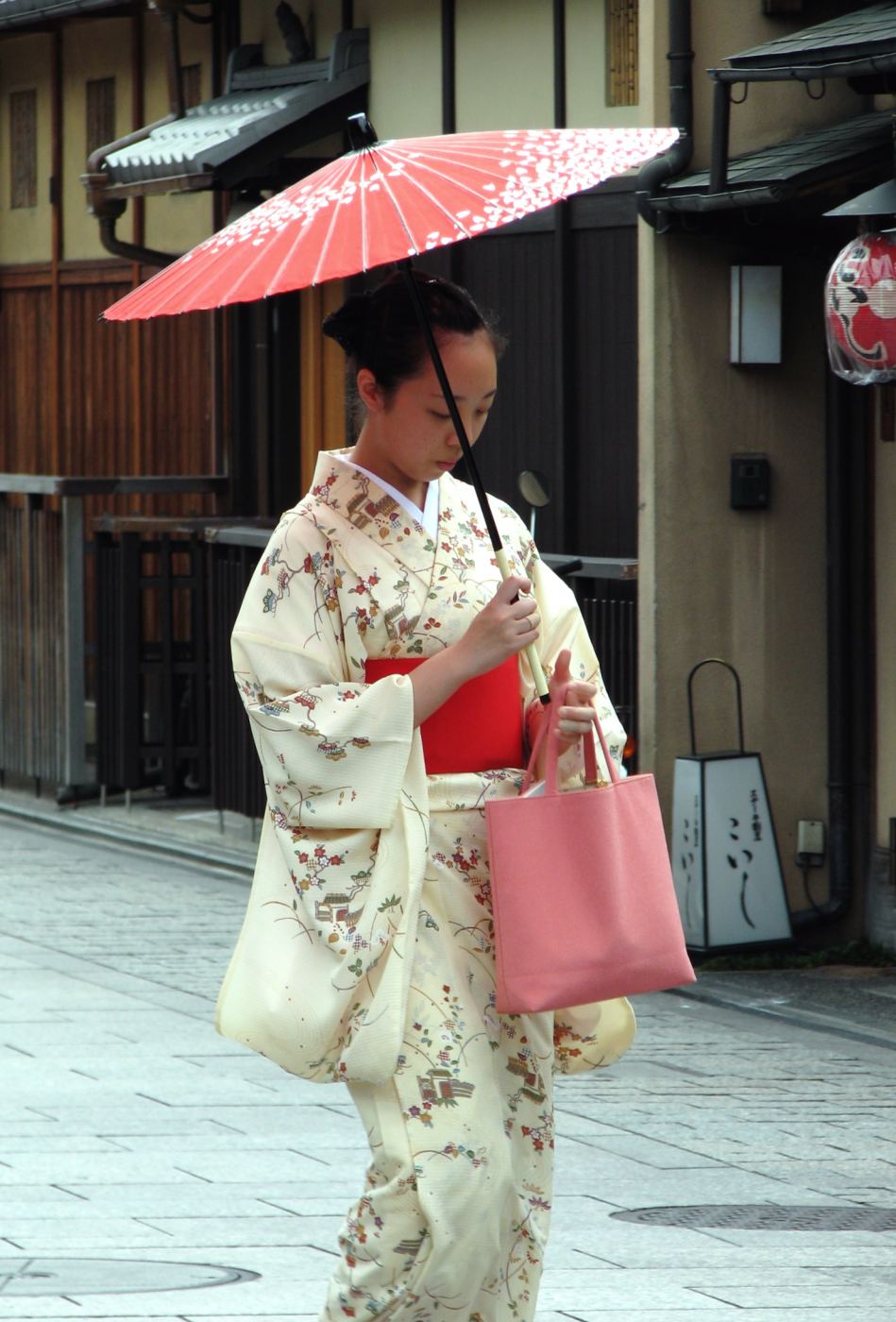
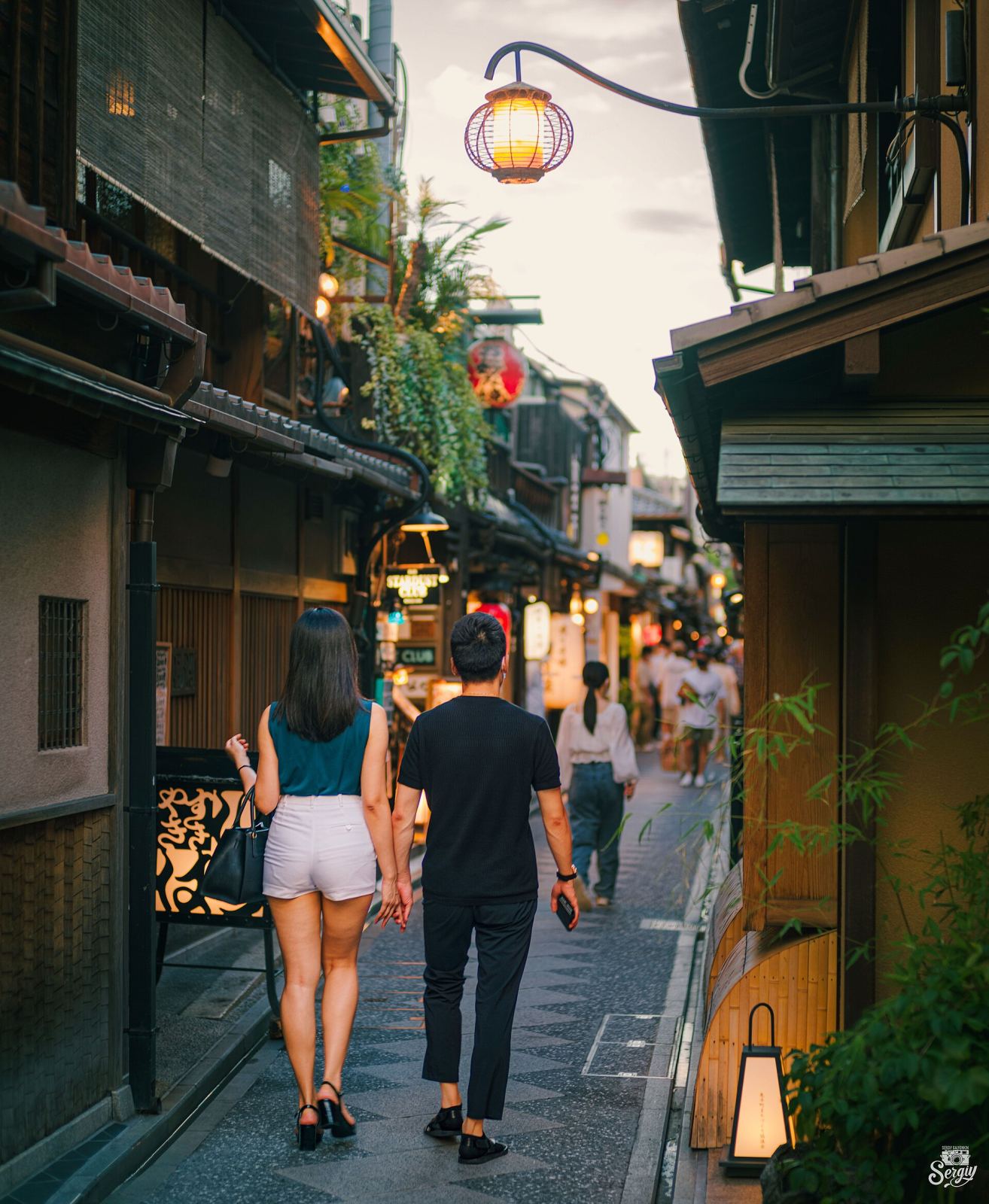
This is less a single attraction than a costume change that transforms the rest of your day — full kimono or yukata rental with hair and light makeup, then you walk out into Kyoto's historic streets (Gion, Kiyomizu-dera, Sannenzaka) looking the part rather than like a typical tourist. Most studios offer free inter-store return, so you can wear it across an entire afternoon of sightseeing rather than returning to one location. Worth doing early in the day since studios can take walk-ins but same-day slots and popular kimono patterns go first.
Hozugawa River Boat Ride — best traditional experience
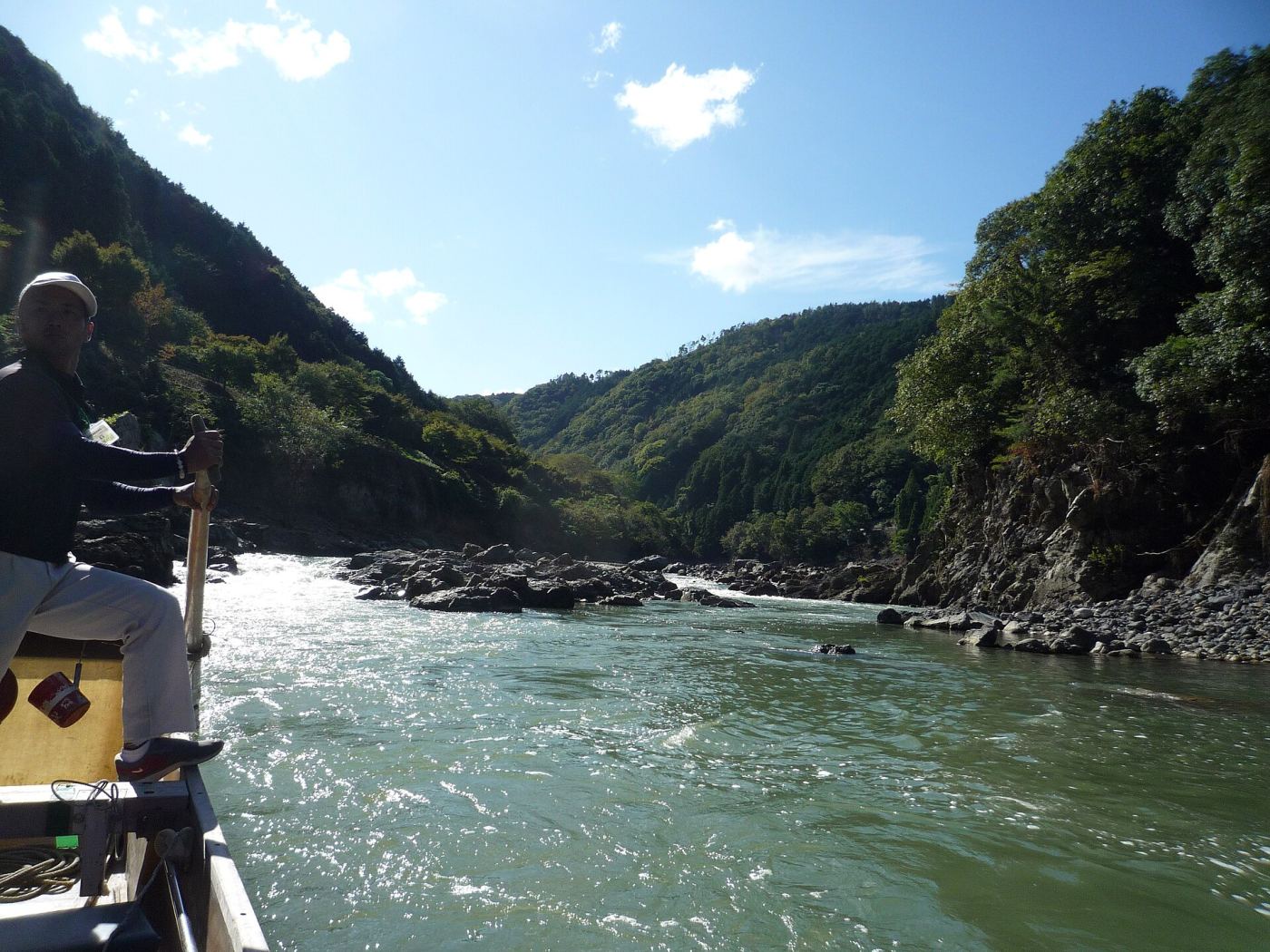
A genuinely old tradition, not a tourist recreation — skilled boatmen have run this 16km stretch of river from Kameoka to Arashiyama using bamboo poles, rudders, and oars for centuries, and still do. The 2-hour ride winds through a forested gorge past sculpted rock formations, with the scenery changing dramatically by season (cherry blossoms, autumn color, winter quiet). It's weather-dependent and can be suspended for flooding, so it's worth checking conditions before locking in plans around it.
Arashiyama, Fushimi Inari & Nara Day Tour — the full-day splurge
The most expensive and most comprehensive entry on this list, packing Fushimi Inari's torii gate tunnels, Arashiyama's bamboo grove and Togetsukyo Bridge, and Nara's free-roaming deer into one planned day with hotel pickup. It solves the logistics problem of getting between Kyoto and Nara independently, which otherwise eats a meaningful chunk of a self-guided day. The trade-off is pace — a tour covering this much ground moves quickly, so it's a better fit for a first visit covering the highlights than for anyone wanting to linger at any single stop.
So Which Should You Actually Book?
Tightest budget or traveling with a train-obsessed kid? Kyoto Railway Museum, at just over $3. Need a quick skyline view near the station? Kyoto Tower. Rainy day or young kids in tow? Kyoto Aquarium. Want the classic Kyoto photo? Book the kimono rental early in the day. Looking for something scenic and genuinely traditional? The Hozugawa river boat. And if it's your first visit and you want the big-name sights handled for you, the Arashiyama/Fushimi Inari/Nara day tour covers the most ground in one day.
All six book through Klook with instant confirmation. The day tour and kimono rentals fill up fastest in cherry blossom season (late March-April) and autumn foliage season (November) — book those several days ahead if traveling then. The museum, tower, and aquarium have more flexible same-day availability year-round.