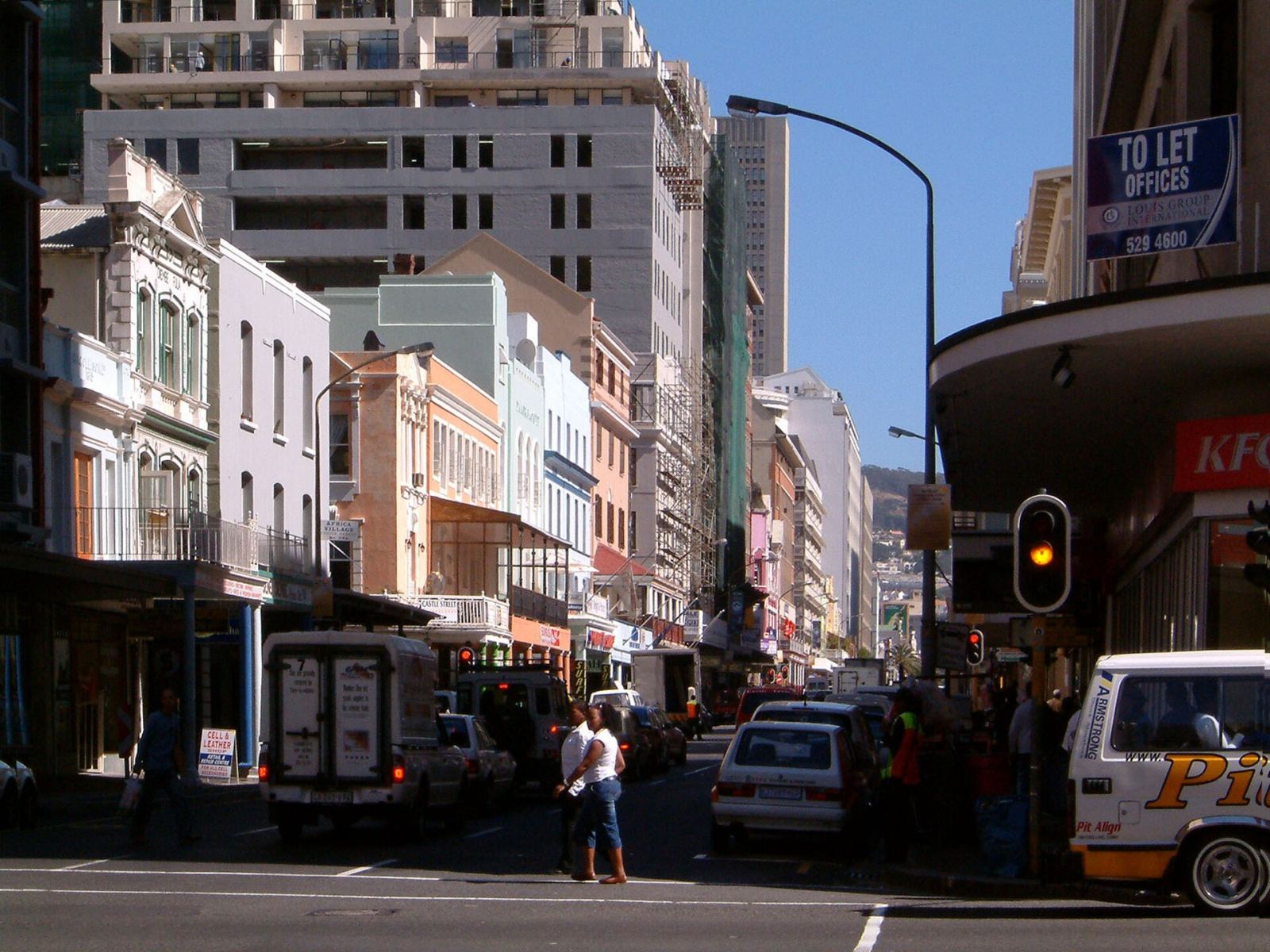
Kloof Street: Cape Town's Coolest Café and Restaurant Strip
Named one of the coolest streets in the world — cafés, boutiques, and Table Mountain views along the edge of the City Bowl.

Kloof Street runs along the edge of the City Bowl between the CBD and the leafy neighborhood of Tamboerskloof, climbing gently toward the base of Table Mountain, which looms directly above the street for nearly its entire length. In recent years it's become one of Cape Town's most talked-about strips for food and design, recognized by Time Out in 2025 as the coolest street in Africa and one of the coolest in the world — a reputation built less on any single landmark than on an unusually dense concentration of good, independently owned cafés, restaurants, and boutiques packed into a walkable few blocks.
Unlike Long Street, which it connects to at its northern end, Kloof Street has never been primarily a nightlife strip. Its character is closer to a genuine neighborhood high street — mixed-use buildings with apartments above shopfronts, a real cross-section of daily local life rather than an entirely tourist-oriented stretch, and a pace that stays fairly relaxed even during its busiest brunch and dinner hours. That said, the street has grown considerably busier and more polished over the past decade as Cape Town's dining scene has drawn increasing international attention, and it now attracts a healthy mix of residents and visitors.
Food is Kloof Street's main draw, and the range covers nearly every price point and cuisine. Café Paradiso, set in a rustic, plant-filled space, has been a long-running neighborhood favorite for relaxed breakfasts and lunches. Asoka, built around a 150-year-old olive tree strung with fairy lights inside a converted Victorian house, leans toward cocktails and live jazz on weeknights. Black Sheep has built enough of a following that walk-ins without a reservation are genuinely risky, while more casual options like Da Vinci's on Kloof for pizza, or Kloof Konbini for Japanese street food, keep the street from feeling exclusively upscale.
| Time | Atmosphere | Best For |
|---|---|---|
| Weekend mornings | Busy with brunch crowds, relaxed pace | Coffee and a long breakfast |
| Weekday afternoons | Quieter, easier to browse shops | Boutique and design store visits |
| Evenings | Restaurants filling up, warm lighting | Dinner, cocktails, occasional live jazz |
| Late night | Winds down earlier than Long Street | A calmer alternative to full nightlife |
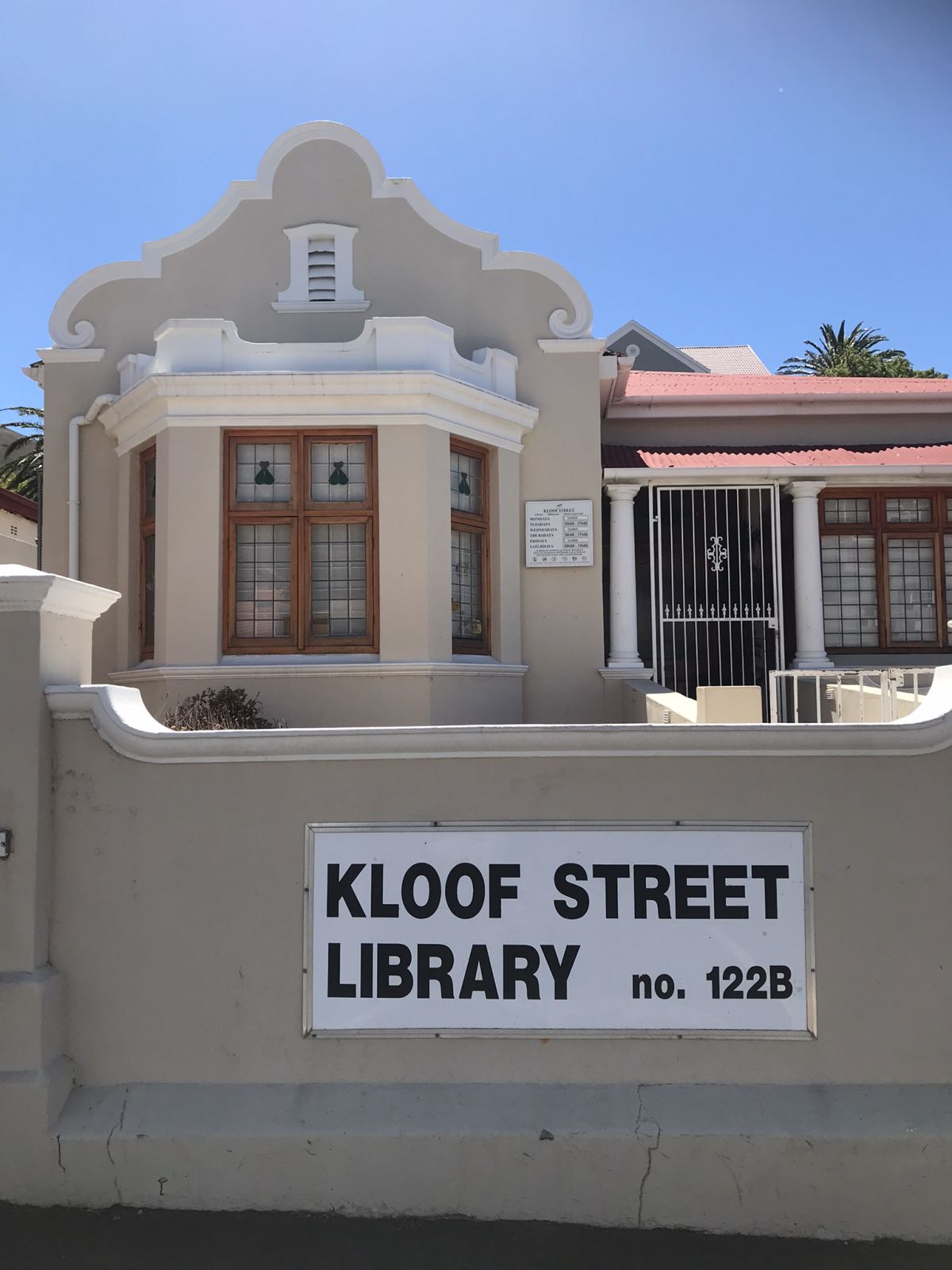
Shopping along Kloof Street runs toward independent and design-focused rather than mainstream retail. Astore stocks contemporary menswear alongside a curated selection of other goods, Wardrobe specializes in vintage and glamorous secondhand pieces, and Wellness Warehouse offers a large range of organic and locally handcrafted products, from candles to sleepwear. Klooftique, meanwhile, focuses on high-end décor and furniture, reflecting the broader design sensibility that runs through much of the street — considered, well-curated spaces rather than large chain stores.
Several of Kloof Street's most talked-about restaurants, including Black Sheep, take reservations well in advance, especially for weekend dinners. If you're set on a specific spot, book a few days ahead rather than risking a walk-in, particularly during Cape Town's busy summer season from December through February.
The street's setting is part of its appeal — because it runs along the lower slopes of the City Bowl rather than through its flattest, most built-up section, many of Kloof Street's cafés and rooftop spaces offer genuine views back toward Table Mountain or out over the city below, a rare combination of accessibility and scenery that's harder to find on streets deeper into the CBD.
Kloof Street is easily walkable from most City Bowl accommodation and connects naturally to a longer stroll through Long Street or the Company's Garden. Street parking exists but fills quickly during peak dining hours, so visitors driving in should expect to circle for a spot or use a nearby parking garage rather than counting on curbside space directly outside a specific restaurant.
Kloof Street's rise as a design and food destination has also made it a useful barometer for how the wider Gardens and Tamboerskloof neighborhoods around it have changed over the past decade, as rents have climbed and older, more utilitarian shopfronts have gradually given way to the kind of considered, small-batch retail the street is now known for. Longtime Cape Town residents sometimes describe the shift with a mix of pride and mild wistfulness, aware that the street's growing international reputation has come with real changes to who can afford to live and open a business along it.
For visitors staying in the City Bowl, Kloof Street works especially well as a base for exploring on foot, since it sits within easy walking distance of the Company's Garden, the Mount Nelson Hotel gardens, and the lower cableway approach to Table Mountain, in addition to Long Street itself. That central, walkable position, combined with the street's genuinely good food, is a big part of why it's become as popular with short-stay visitors as it has with longtime residents.
Weekends bring a noticeably different crowd than weekdays, with locals turning out in force for brunch alongside the visitors, which makes Saturday and Sunday mornings some of the liveliest — and most competitive for a table — hours on the street. Arriving right when a café opens, or accepting a short wait with a coffee in hand, tends to work better than trying to beat the rush entirely, since the best spots fill within the first half hour regardless of when doors open.