Matcha Sweets Near Kyoto: A Guide to Uji's Tea Culture
Why Uji is considered Japan's matcha capital, what to try, and how to tell real matcha from flavored syrup.

Uji: Japan's Matcha Capital
Uji, a small city just south of Kyoto, has been one of Japan's most respected tea-growing regions for over 800 years, and its matcha is considered among the finest in the country. A day trip to Uji has become a popular add-on to a Kyoto visit specifically for matcha sweets — soft serve, parfaits, and traditional tea ceremony-grade matcha, often sold within sight of the tea fields themselves.
What to Try
| Sweet | What It Is | Where to Find It |
|---|---|---|
| Matcha soft serve | Soft-serve ice cream made with real ground matcha, not just flavoring | Tea shops throughout Uji and central Kyoto |
| Matcha parfait | Layered dessert with matcha ice cream, jelly, sweet red bean, and cream | Dedicated dessert cafes, especially in Uji |
| Matcha warabi mochi | Chewy jelly-like mochi dusted with matcha or kinako powder | Traditional sweets shops |
| Ceremonial-grade matcha | Whisked tea, the highest quality grade, meant to be drunk rather than eaten | Tea houses offering a tasting experience |
Judging Quality
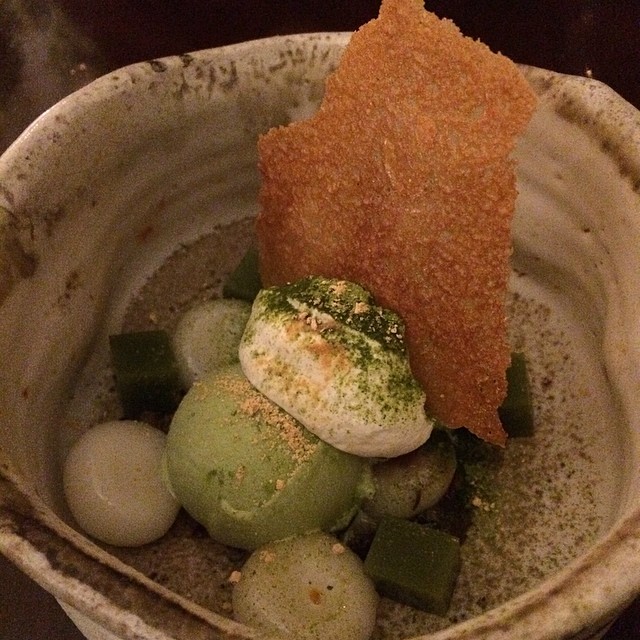
The clearest sign of quality matcha sweets is color and bitterness: real matcha has a deep, slightly muted green (not a bright, artificial neon green) and a noticeable bitter edge underneath the sweetness. If a matcha soft serve tastes purely sweet with no tea bitterness at all, it's likely using matcha-flavored syrup rather than real ground tea.
Uji is about a 20–30 minute train ride from central Kyoto — easily done as a half-day trip, combined with Byodo-in Temple, whose image appears on the Japanese ¥10 coin.