Montmartre and Sacré-Cœur: Paris's Hilltop Artists' Quarter
A guide to Montmartre's cobblestone streets, the Sacré-Cœur Basilica, and the neighborhood's artistic history.
Montmartre: Paris's Hilltop Village
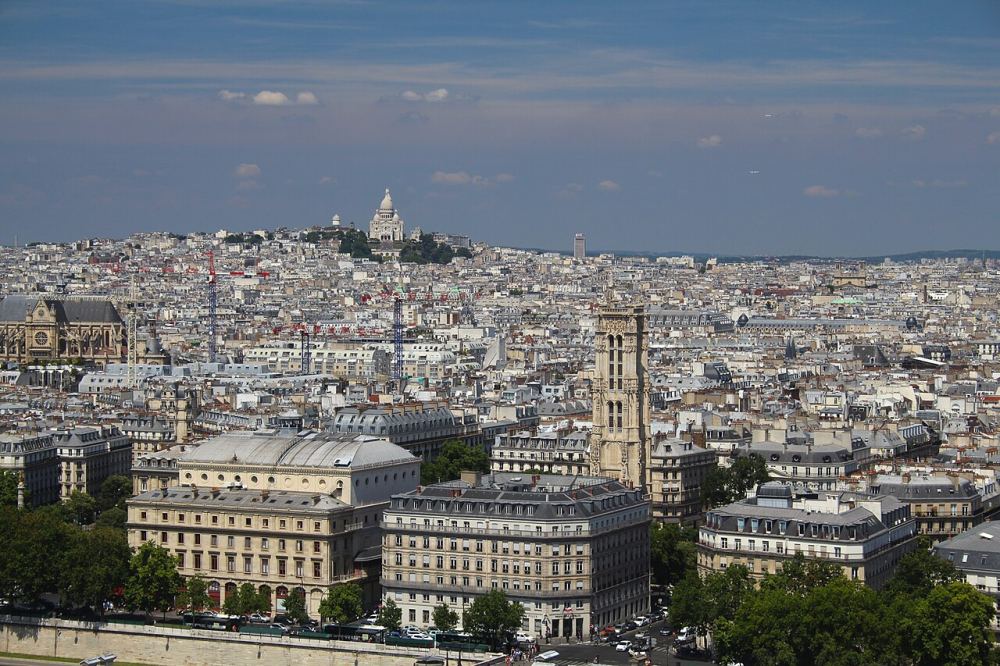
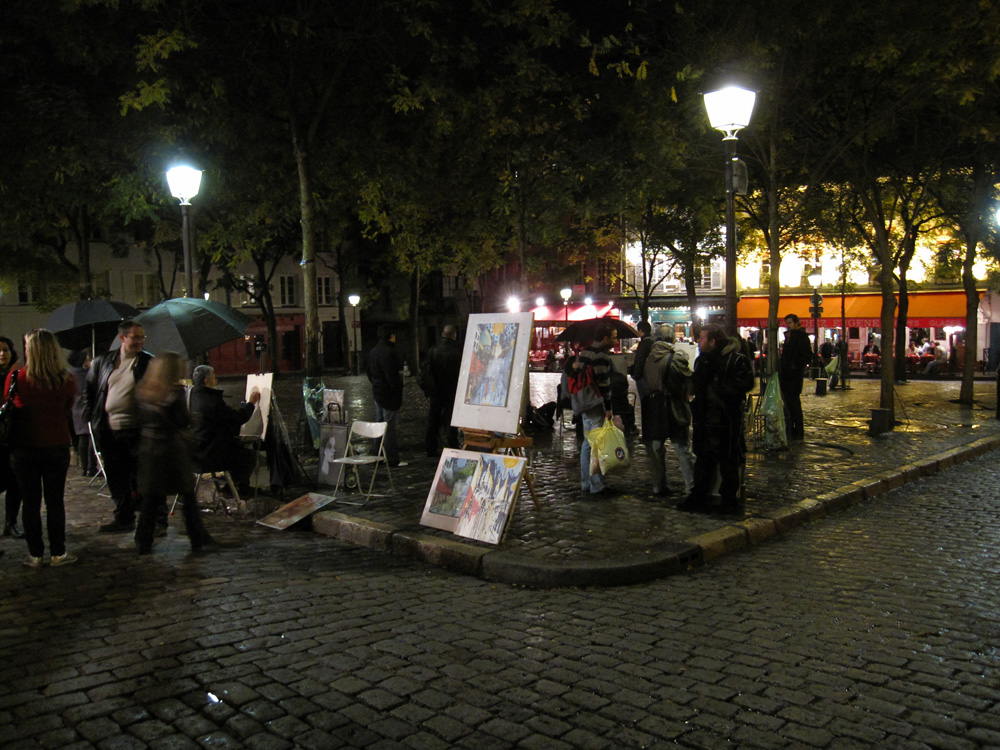
Montmartre sits on the highest natural point in Paris, and its steep, winding streets — many still cobblestoned — have kept it feeling distinct from the rest of the city, closer to a village that happens to be inside city limits. It was a genuine artists' colony through the late 19th and early 20th centuries, home at various points to Picasso, Renoir, Toulouse-Lautrec, and Van Gogh, and that creative history is still woven into the neighborhood's identity today.
The Basilica of Sacré-Cœur
The white-domed Basilica of Sacré-Cœur, completed in 1914, sits at the top of the hill and is free to enter. The steps in front of it are one of the most popular spots in Paris for a panoramic city view, especially around sunset, when the whole city spreads out below in warm light.
What Else to See
| Spot | What It Is |
|---|---|
| Place du Tertre | A small square filled with portrait artists, a living remnant of Montmartre's art colony history |
| Musée de Montmartre | A museum dedicated to the neighborhood's art history, in a former artists' residence |
| Moulin Rouge | The famous cabaret, at the base of the hill in Pigalle |
| Le Consulat & Le Passe-Muraille | Historic cafés associated with the artists who once lived nearby |
The Montmartre funicular (covered by a standard metro ticket) is a fast, easy way up the steepest part of the hill if you'd rather not climb the stairs.