Wellawatte: Inside Colombo's 'Little Jaffna'
Sari shops, Hindu temples, and South Indian vegetarian food — the Tamil neighborhood locals nicknamed Little Jaffna.
Wellawatte, officially part of Colombo 6, is best known by its affectionate local nickname: Little Jaffna. It's the heart of Colombo's Tamil community, a dense, busy neighborhood of sari shops, jewelry stores, Hindu temples, and South Indian vegetarian restaurants that feels genuinely distinct from almost anywhere else in the city — closer in flavor and rhythm to parts of Tamil Nadu or Jaffna itself than to the rest of Colombo, despite sitting just south of the more mixed, cosmopolitan neighborhood of Bambalapitiya.
The neighborhood's Tamil character developed gradually rather than all at once, with significant settlement beginning in the interwar years of the 1920s, when Jaffna Tamils moving to Colombo for clerical work in government departments and private companies began establishing homes on streets like Perera Lane, Hampden Lane, and Fernando's Lane. Over subsequent decades, as more families followed, Wellawatte grew into the dense, distinctly Tamil neighborhood it remains today, even as Colombo's broader demographics and the country's difficult ethnic history have shifted around it.
Walking Wellawatte's main commercial streets means passing a genuinely dense concentration of sari and textile shops, gold and silver jewelry stores, and small grocers stocking South Indian ingredients rarely found elsewhere in the city — dried curry leaves, specific lentil varieties, and idli and dosa batter mixes among them. The neighborhood is also one of the most reliable places in Colombo to find properly vegetarian South Indian food, with small, unpretentious restaurants serving dosa, idli, and vada throughout the day rather than as an occasional menu item.
| Time | Atmosphere | Best For |
|---|---|---|
| Morning | Markets and shops opening, temples active | Breakfast at a South Indian vegetarian restaurant |
| Midday | Busy commercial streets | Sari and jewelry shopping |
| Evening | Temples lit for evening prayers | Visiting a Hindu temple during active worship |
| Weekend | Busiest overall, families out shopping | Full immersion in the neighborhood's daily rhythm |

Several Hindu temples anchor the neighborhood's spiritual life, including a replica of Jaffna's iconic Nallur Kandaswamy Temple and the Sri Kailasanathan Swami Devasthanam nearby in Slave Island, both drawing worshippers from across Colombo's Tamil community, not just Wellawatte itself. Visitors are generally welcome to observe temple activity respectfully from a distance, and the sensory details — jasmine garlands sold by streetside vendors, the smell of incense, the sound of temple bells during evening prayers — do more to convey the neighborhood's character than any single sight on its own.
If you enter a Hindu temple in Wellawatte, remove your shoes beforehand, dress modestly, and avoid photographing the inner sanctum or worshippers directly during active prayer without permission. Non-Hindu visitors are generally welcome in the outer areas of most temples here.
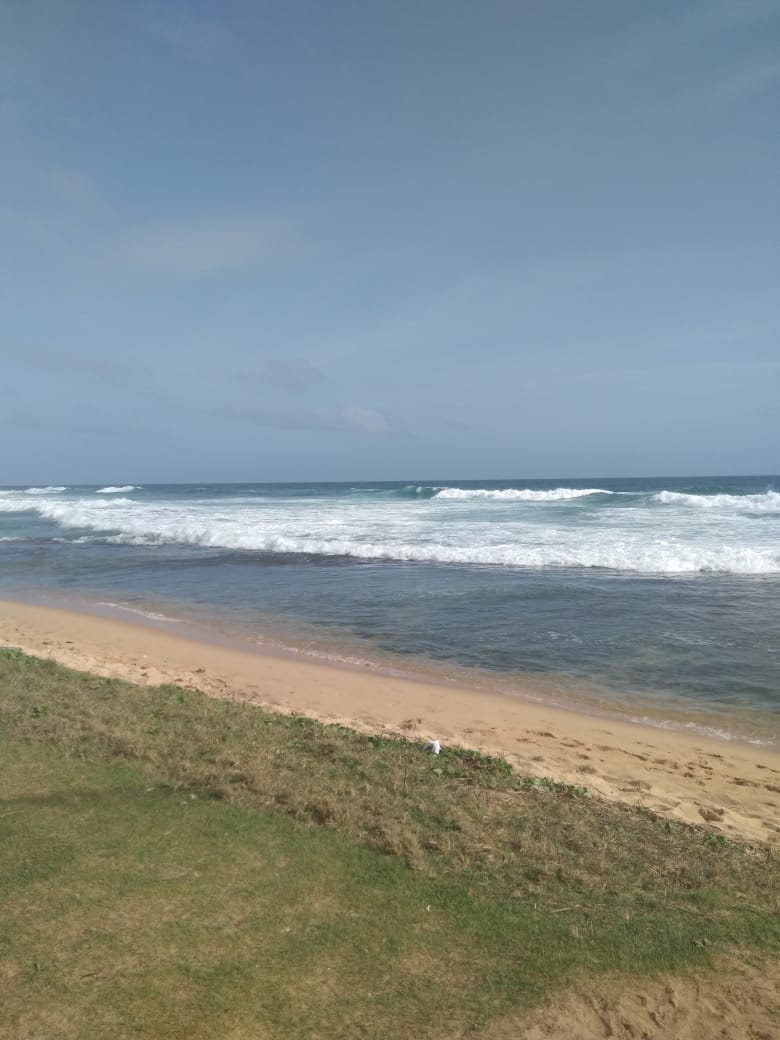
Marine Drive, the coastal road running along Wellawatte's edge, offers a breezy, less crowded stretch of shoreline than the more central Galle Face Green further north, and it's popular with local joggers and evening walkers rather than tourists, giving it a genuinely different atmosphere from Colombo's more visited waterfront spots. Since the mid-20th century the neighborhood has densified substantially, with older semi-rural estates giving way to apartment blocks, a trend that accelerated further after 2009 as Colombo's broader property market boomed.
Wellawatte is easily reached from central Colombo by train — it has its own stop on the coastal rail line, a short ride south of Colombo Fort — or by tuk-tuk, and it works well as a stop on the way to or from Mount Lavinia given its position along the same coastal corridor. Most visitors find that an hour or two spent wandering the main shopping streets and stopping for a vegetarian meal is enough to get a real feel for the neighborhood without needing a longer, more structured visit.
Sri Lanka's long civil war and its aftermath cast a real shadow over Wellawatte's history, as tensions between the country's Sinhalese majority and Tamil minority occasionally spilled into violence in Colombo neighborhoods with large Tamil populations. That difficult history is worth understanding as context, even if it isn't something visitors will encounter directly walking the neighborhood's streets today — Wellawatte in the years since the war's end in 2009 has continued functioning as a genuinely vibrant, everyday commercial and residential district rather than a place defined primarily by conflict.
Street names in Wellawatte carry their own layered history, with several lanes named after early Tamil settlers and community figures from the neighborhood's formative decades in the early 20th century — a detail documented in local histories of the area and still visible on street signs today for anyone curious enough to look for it. It's a small but genuine reminder of how specifically this neighborhood's identity was shaped by the people who built it, rather than simply inherited from broader city planning.
For visitors interested in textiles specifically, Wellawatte's sari shops are worth comparing against the more tourist-oriented stalls found in Pettah Market, since prices and selection here tend to reflect a genuinely local customer base rather than a marked-up visitor trade, and shopkeepers are generally used to serious buyers rather than casual browsers, which can make for a more straightforward, less performative shopping experience overall.
Festival days at Wellawatte's temples, particularly during major Hindu observances like Thai Pongal and the annual chariot processions associated with the Nallur replica temple, transform the neighborhood into something considerably livelier than its everyday commercial rhythm, drawing large crowds of worshippers and turning normally quiet side streets into genuine street festivals for a day or two at a time.