Chiang Mai Old City: The Moated Heart of the Lanna Kingdom
Explore Chiang Mai's moated Old City, from its gates and city walls to hidden temples, cafés and guesthouses, and how to see it on foot or by bicycle.
Chiang Mai Old City: The Moated Heart of the Lanna Kingdom
Chiang Mai's Old City is a roughly square district about 1.5 kilometers across, surrounded by a moat and the remnants of brick walls built in the 13th century by King Mengrai, the founder of the Lanna Kingdom. Inside, a grid of narrow streets and quiet lanes holds dozens of temples, small guesthouses, cafés, shops and homes. It is compact, walkable and relaxed, and it is the best place in the city to base yourself for a first visit.
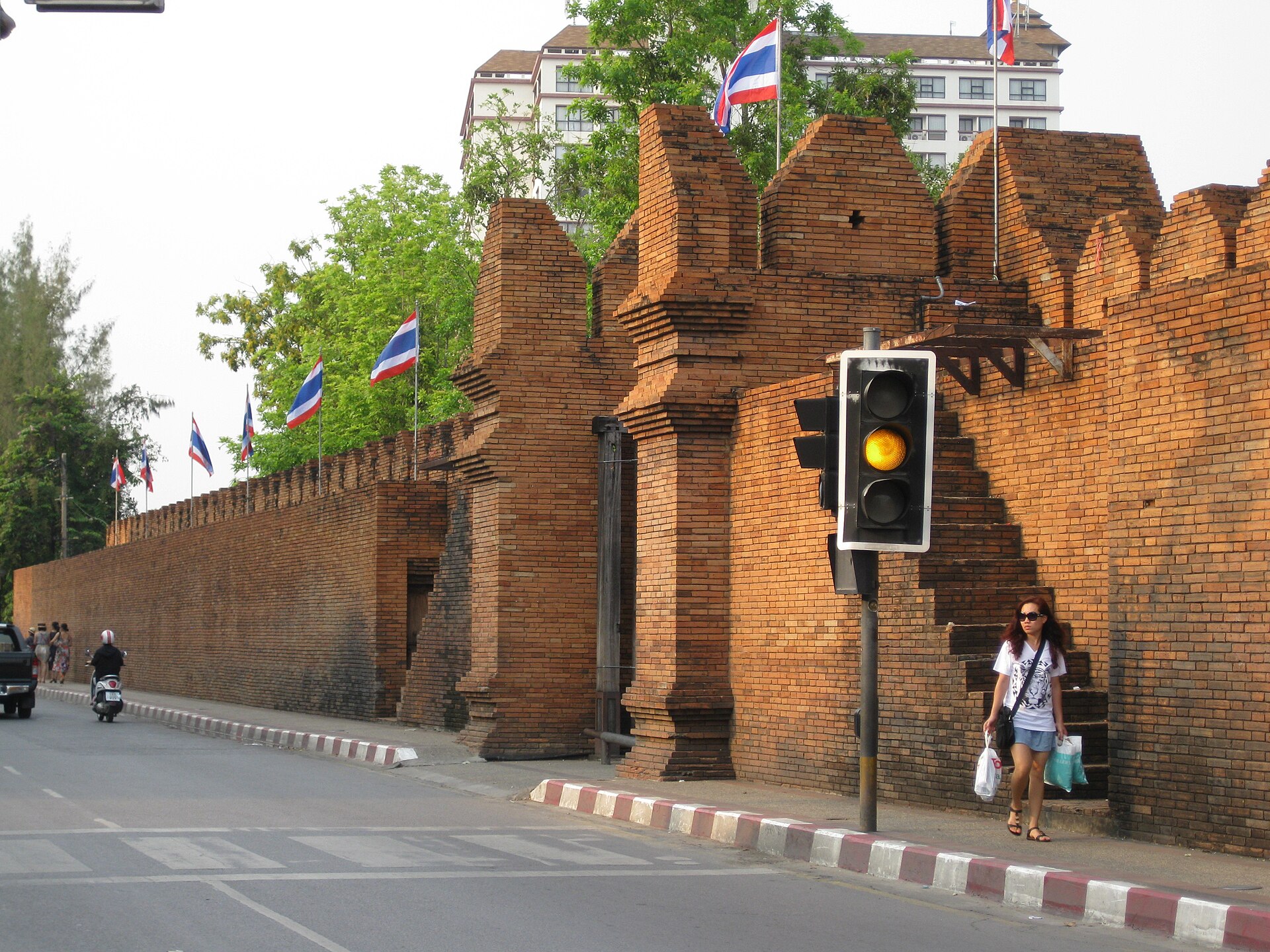
The walls and moat give the area its shape and its landmarks. Five main gates mark the original entrances, with the reconstructed Tha Phae Gate on the eastern side as the most famous and photogenic. Chang Phuak Gate to the north is known for its night market of local food stalls, while the Suan Dok and Suan Prung gates lie on the west and southwest. Sections of the old brick wall survive, and the moat is lit and landscaped, making it a pleasant place for an evening stroll.
At the center of the district stands the Three Kings Monument, a statue group honoring the three rulers who founded the city, set in front of the Chiang Mai Arts and Cultural Centre. The nearby museums, including the Lanna Folklife Museum, give a good introduction to the region's history and traditions. From here, short walks lead to the main temples: Wat Phra Singh, Wat Chedi Luang and Wat Phan Tao, each with its own character and atmosphere.
Beyond the famous sights, the Old City rewards slow exploration. Small lanes called sois run off the main streets, lined with wooden houses, garden cafés and boutique guesthouses, and many have quiet temples tucked at their ends. Cycling is a pleasant way to cover the area, and bicycles can be hired cheaply from many guesthouses. The streets are generally safe, shaded by trees and free of the heavy traffic found elsewhere in Thai cities.
| Sight | What to Know |
|---|---|
| Tha Phae Gate | The reconstructed eastern gate, a popular photo spot and meeting point |
| Three Kings Monument | Statues honoring the founders of Chiang Mai, in the center of the Old City |
| Wat Phra Singh | The grandest Old City temple, with a Lanna library hall |
| Chang Phuak Gate Night Market | Cheap local street food in the evening, north of the center |
Rent a bicycle for the day. The Old City is flat, shaded and small enough to cover easily, and a bike lets you reach the temples and the side lanes without relying on songthaews or taxis.
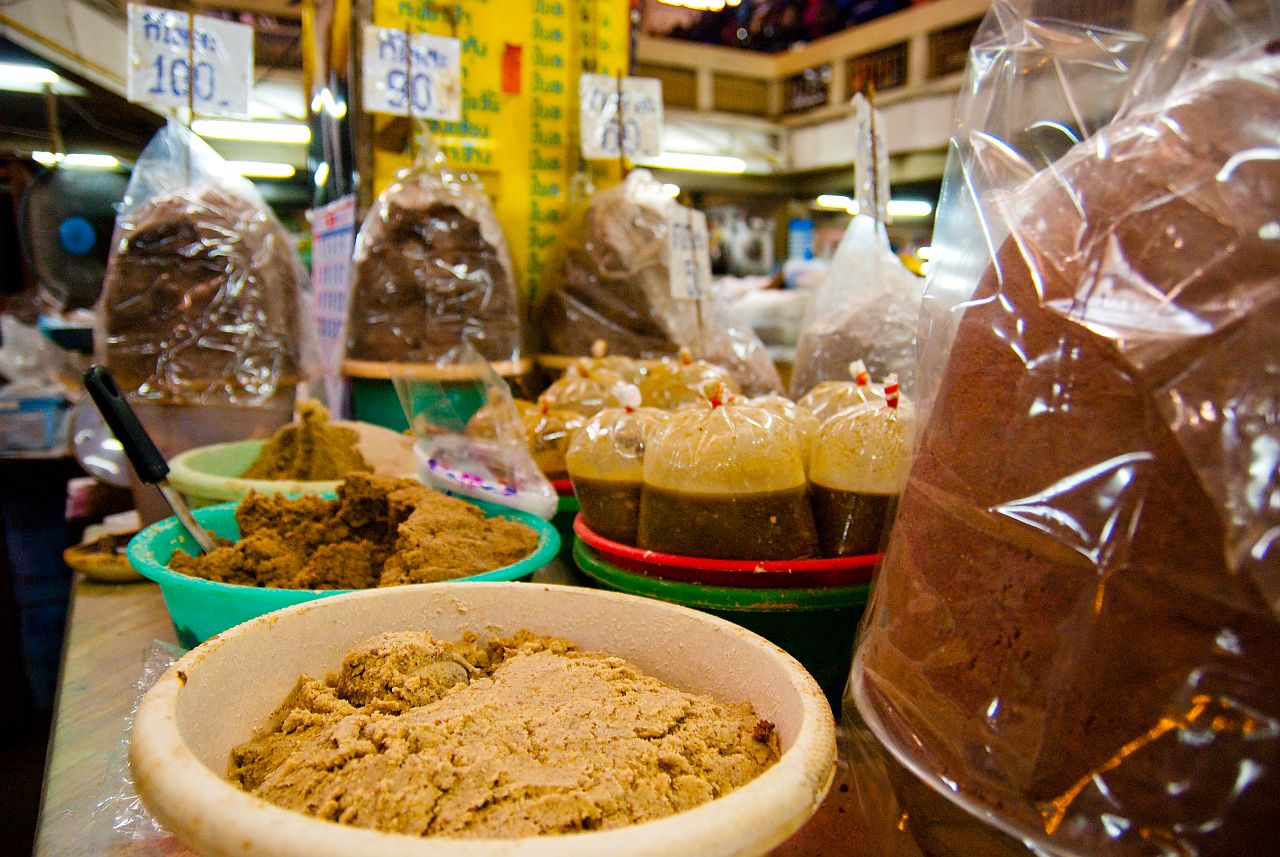
Food is everywhere. Along the main streets and in the small sois you will find khao soi shops, noodle stalls, smoothie stands, northern Thai restaurants and Western-style cafés, many with garden seating. The Chang Phuak Gate night market is one of the best places for cheap local dinners, while the Saturday Walking Street on Wualai Road and the Sunday Walking Street on Ratchadamnoen Road bring food and craft stalls to the streets on weekends.
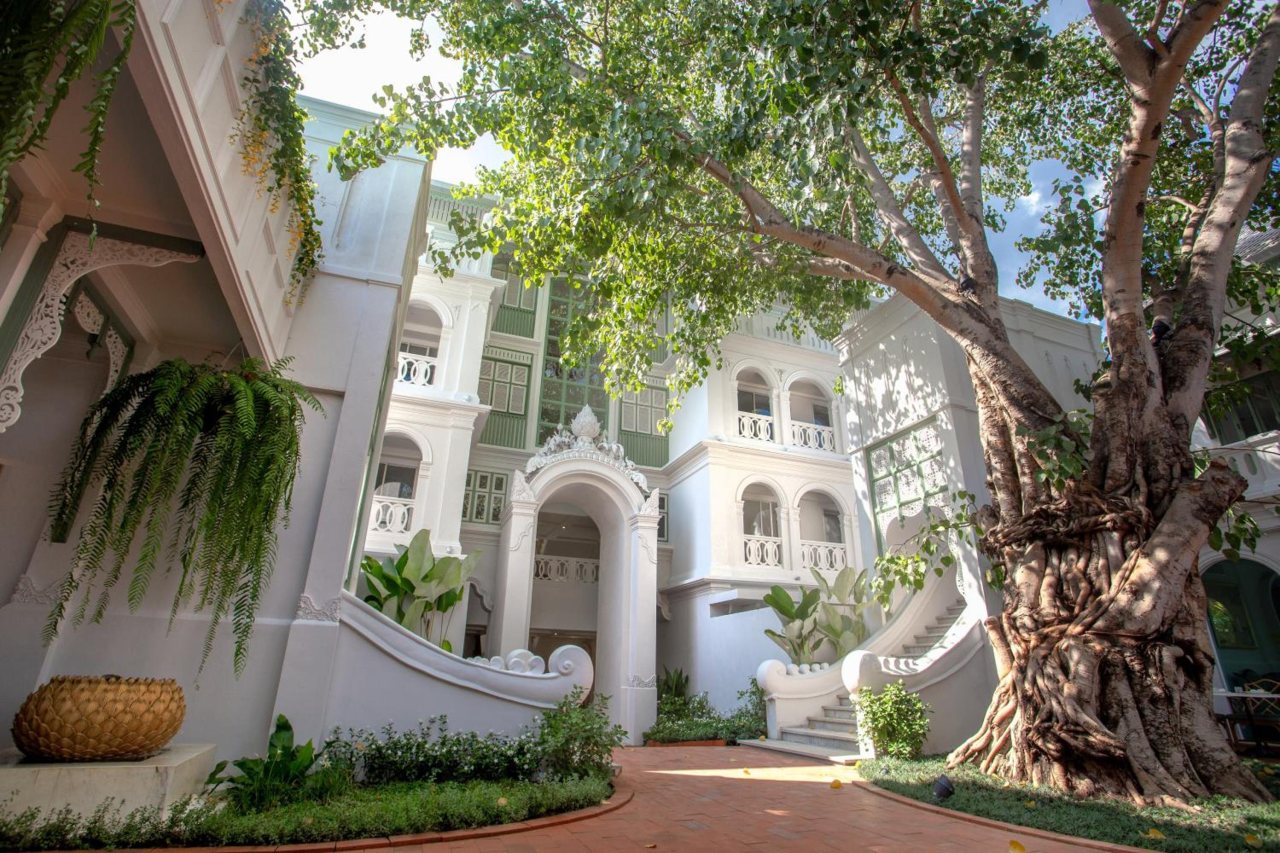
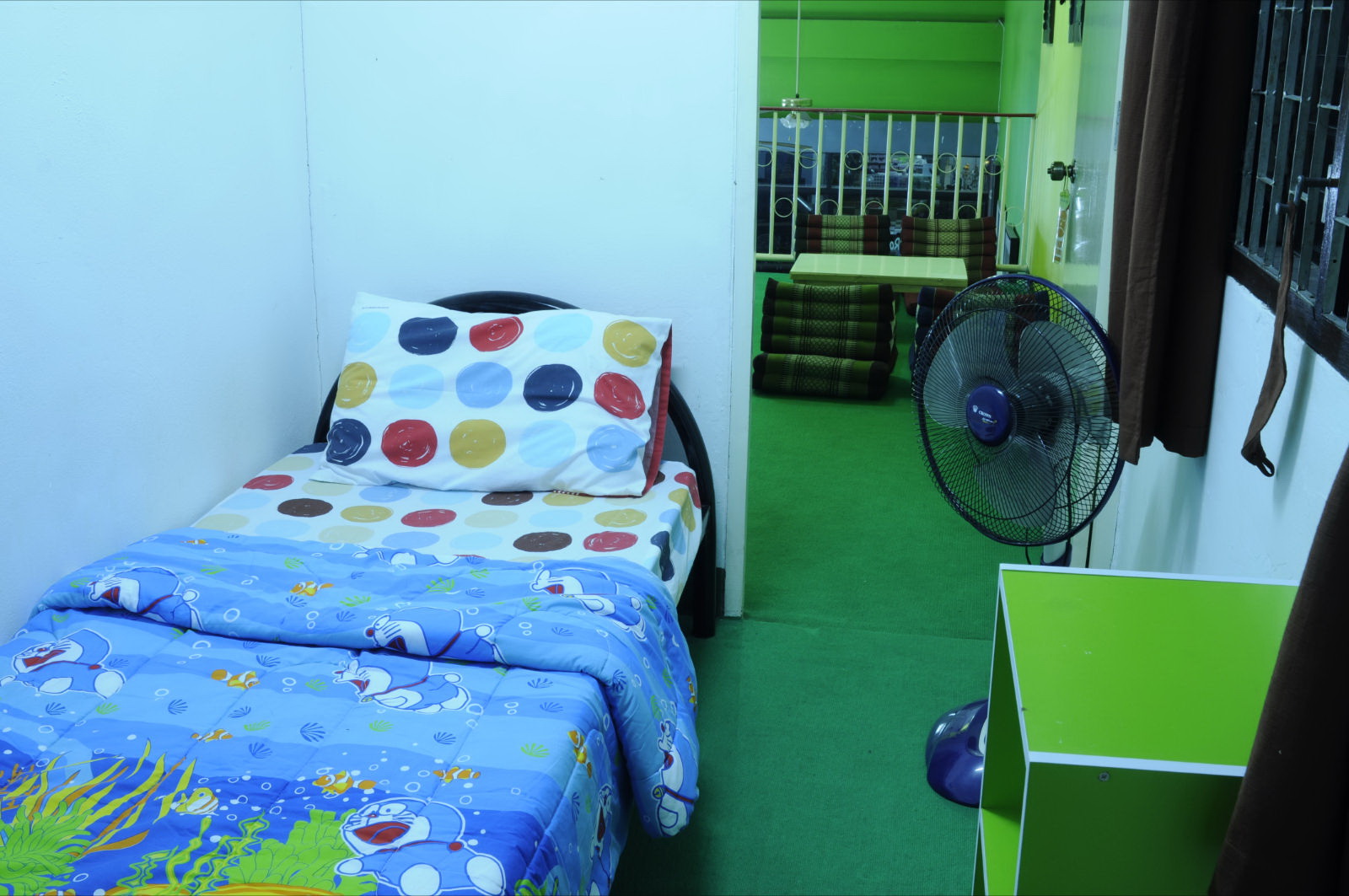
Accommodation inside the walls ranges from simple guesthouses and hostels to restored teak-house boutique hotels, and prices are generally low. Staying inside the walls puts you within walking distance of most temples and markets, so you can avoid taxis and tuk-tuks, and the area is quiet at night compared with other tourist districts. For a first visit, it is the most convenient and atmospheric base.
Practical points are easy. Songthaew trucks circle the Old City and carry passengers for a low flat fare, while Grab and tuk-tuks cover longer rides. In the hot season, between March and May, the sun can be intense in the middle of the day, so plan temple visits for the morning or late afternoon and use the midday hours for a long lunch or a massage. Air quality can be poor during the burning season, so check conditions if you are sensitive.
A good first day in the Old City starts with a morning loop of the main temples, followed by lunch at a khao soi shop and an afternoon exploring the side lanes and cafés. As evening falls, head to Chang Phuak Gate or the weekend walking streets for dinner and shopping. By the end of the day you will have a good sense of what makes the city special, and why so many visitors extend their stay.
Etiquette is straightforward. Chiang Mai is relaxed and welcoming, but temples expect modest dress, and the monarchy is protected by law, so avoid any disrespectful behavior toward images of the king or royal family. In the early morning, monks walk the streets collecting alms, and it is polite to keep a respectful distance rather than photograph them from close range. Visitors can also take part in a monk chat at a few temples, which is a rewarding way to learn about Buddhism and to practise conversational English with novice monks who are keen to talk.