Ortaköy: The Mosque Under the Bosphorus Bridge
A 19th-century Ottoman mosque, a modern suspension bridge, and one of the most photographed views anywhere in Istanbul.
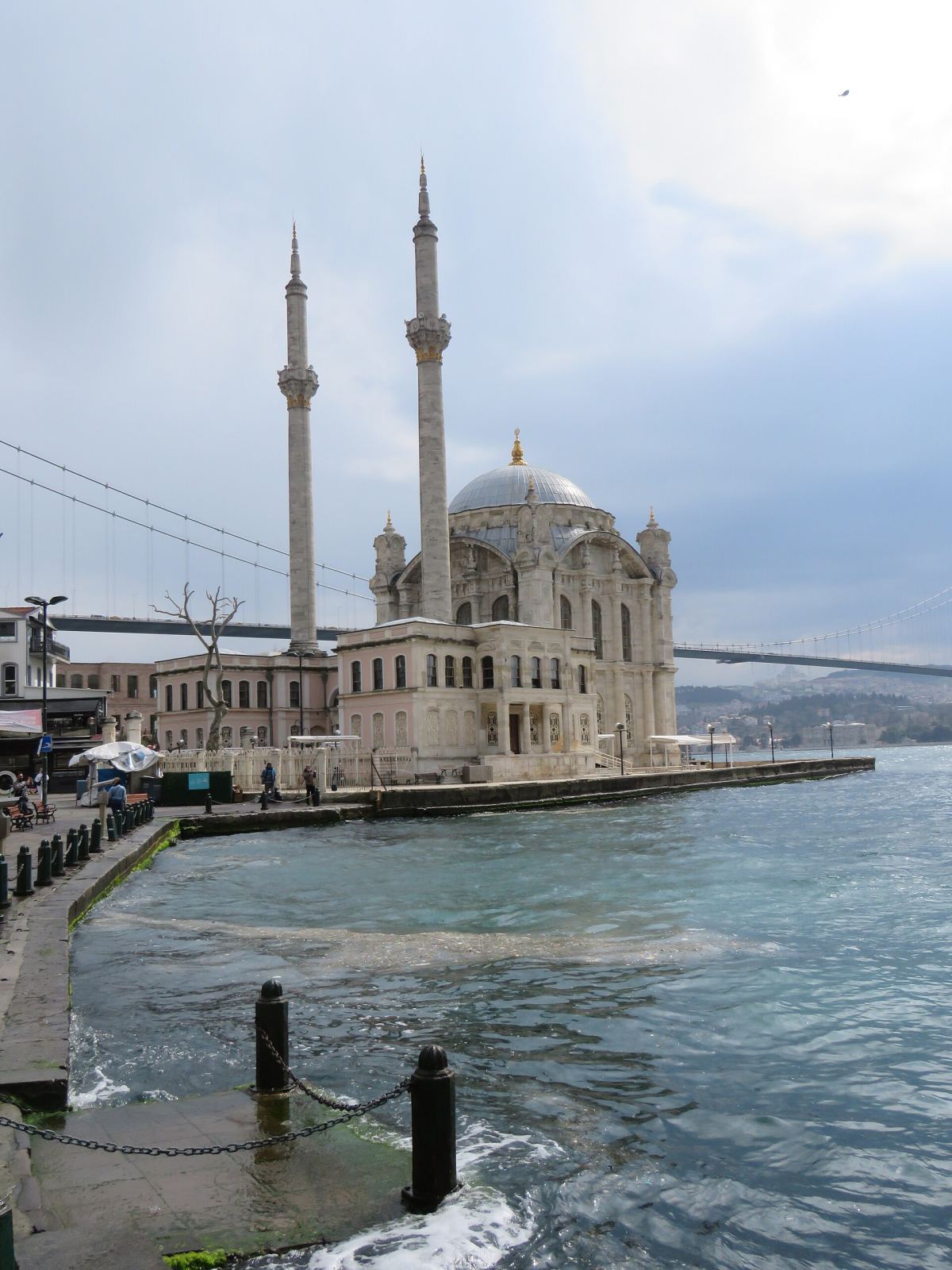
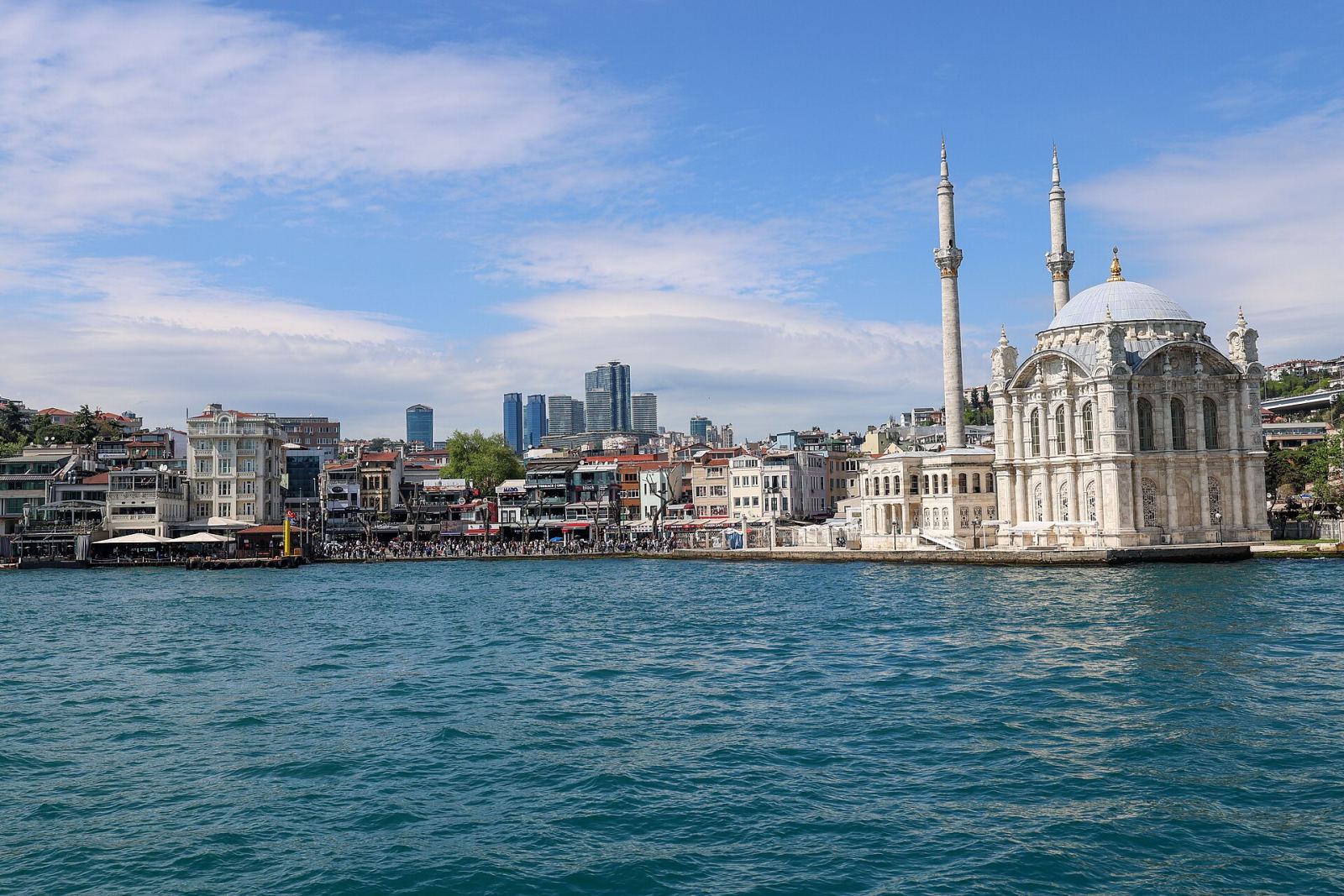
Ortaköy is a small waterfront neighborhood on the European shore of the Bosphorus, instantly recognizable for the striking image formed by its ornate 19th-century mosque set directly against the towering steel cables of the Bosphorus Bridge behind it — one of the most photographed views in all of Istanbul, and a genuine visual shorthand for the way the city straddles Europe and Asia across a single strait. Beyond that single iconic view, Ortaköy itself is a lively, compact village-like district of narrow streets, waterfront cafés, and a bustling weekend market, all within a genuinely walkable few blocks of the shoreline.
The Ortaköy Mosque, officially the Büyük Mecidiye Camii or Grand Mecidiye Mosque, was commissioned by Sultan Abdülmecid I and built between 1853 and 1856 on the site of an earlier 18th-century mosque, replacing a structure originally built by Mahmut Ağa, son-in-law of a Grand Vizier. It was designed by Armenian-Ottoman architect Garabet Balyan and his son Nigoğayos Balyan, the same father-son team responsible for the nearby Dolmabahçe Palace, and its Ottoman Baroque style — white carved stone, a single elegant dome, and two slender, ornately balconied minarets — reflects the same architectural language found across several of Istanbul's most significant 19th-century imperial commissions.
The Bosphorus Bridge looming behind the mosque, officially renamed the 15 July Martyrs Bridge after a failed 2016 coup attempt, was the first bridge ever built across the Bosphorus, connecting Ortaköy on the European side to Beylerbeyi on the Asian side when it opened in 1973. The physical juxtaposition of a mid-19th-century Ottoman mosque directly beneath a mid-20th-century suspension bridge captures something genuinely essential about Istanbul's identity — an ancient imperial capital continuously building modern infrastructure directly on top of, and immediately beside, its own historic monuments.
| Time | Atmosphere | Best For |
|---|---|---|
| Morning | Quiet square, mosque calm | Photography without crowds |
| Weekend afternoon | Busy with the weekend craft market | Browsing local artisan stalls and street food |
| Sunset | Golden light on the mosque and bridge | The best photo conditions of the day |
| Evening | Waterfront cafés and restaurants fill up | A relaxed Bosphorus-view dinner |
Ortaköy's weekend market, held in the streets and square around the mosque, is one of the neighborhood's biggest draws, filling with stalls selling handmade jewelry, artwork, and clothing alongside food vendors serving kumpir — Turkey's elaborately loaded baked potato, piled high with a wide range of toppings — a dish genuinely associated with this specific neighborhood more than almost anywhere else in the city. The market atmosphere, combined with the waterfront setting, makes weekend afternoons the liveliest and most crowded time to visit, for better or worse depending on how much company you want.
Ortaköy is widely considered the birthplace of Istanbul's kumpir culture — baked potatoes split open and mixed with butter and cheese, then loaded with toppings ranging from olives and corn to sausage and pickles. Several stalls compete for the title of the neighborhood's best, and trying one is a genuine local tradition worth taking part in.
Beyond the mosque and market, Ortaköy's waterfront promenade offers some of the most relaxed Bosphorus views in the city, with cafés and restaurants positioned to take full advantage of the strait's constant boat traffic and the dramatic backdrop of the bridge. The neighborhood also sits close to several of Istanbul's more upscale nightlife venues and boutique hotels, giving it a slightly more polished, contemporary feel than some of the historic peninsula's older tourist districts.
Esma Sultan Mansion, a 19th-century waterfront palace turned event space just along the shore from the mosque, is worth noting even if not open for a specific event — its ruined, roofless stone shell, deliberately preserved rather than restored after a fire, has become an atmospheric architectural landmark in its own right and a popular backdrop for photographs along the Ortaköy waterfront. The building occasionally hosts weddings and cultural events, which can be glimpsed from outside its perimeter even without an invitation.
Ortaköy is best reached by bus or taxi from central Istanbul, since it sits along the Bosphorus shore somewhat apart from the main metro network, though several bus routes connect it directly to Taksim and other central districts nearby. The neighborhood itself is compact and entirely walkable once you arrive, with the mosque, market, and waterfront cafés all within a few minutes of each other.
Street food beyond kumpir is also well represented around Ortaköy's square, with waffle stands, simit carts, and stalls selling fresh-squeezed pomegranate juice competing for space alongside the potato vendors, giving the neighborhood a genuinely festive, snack-focused atmosphere that's especially pronounced on busy weekend afternoons when the market is in full swing and every table nearby is occupied.
Boat tours along the Bosphorus frequently depart from or pass directly by Ortaköy, and the neighborhood's waterfront position makes it a popular pickup and drop-off point for visitors combining a mosque visit with a longer cruise up the strait, particularly during the warmer months when boat traffic along this stretch of water is at its genuinely heaviest and most constant.
Independent art galleries and small design studios have opened around Ortaköy's back streets in recent years, adding a further creative layer to a neighborhood already known primarily for its mosque and market, and giving visitors a genuine reason to wander beyond the main square into the quieter residential lanes just behind it. These smaller streets also offer a noticeably calmer pace than the busy waterfront square during peak weekend hours.