Plaka: Athens' Old Neighborhood of the Gods Beneath the Acropolis
Explore Plaka's whitewashed lanes, Anafiotika's island-style houses, neoclassical mansions, tavernas and gift shops in the oldest and most picturesque neighborhood of Athens.

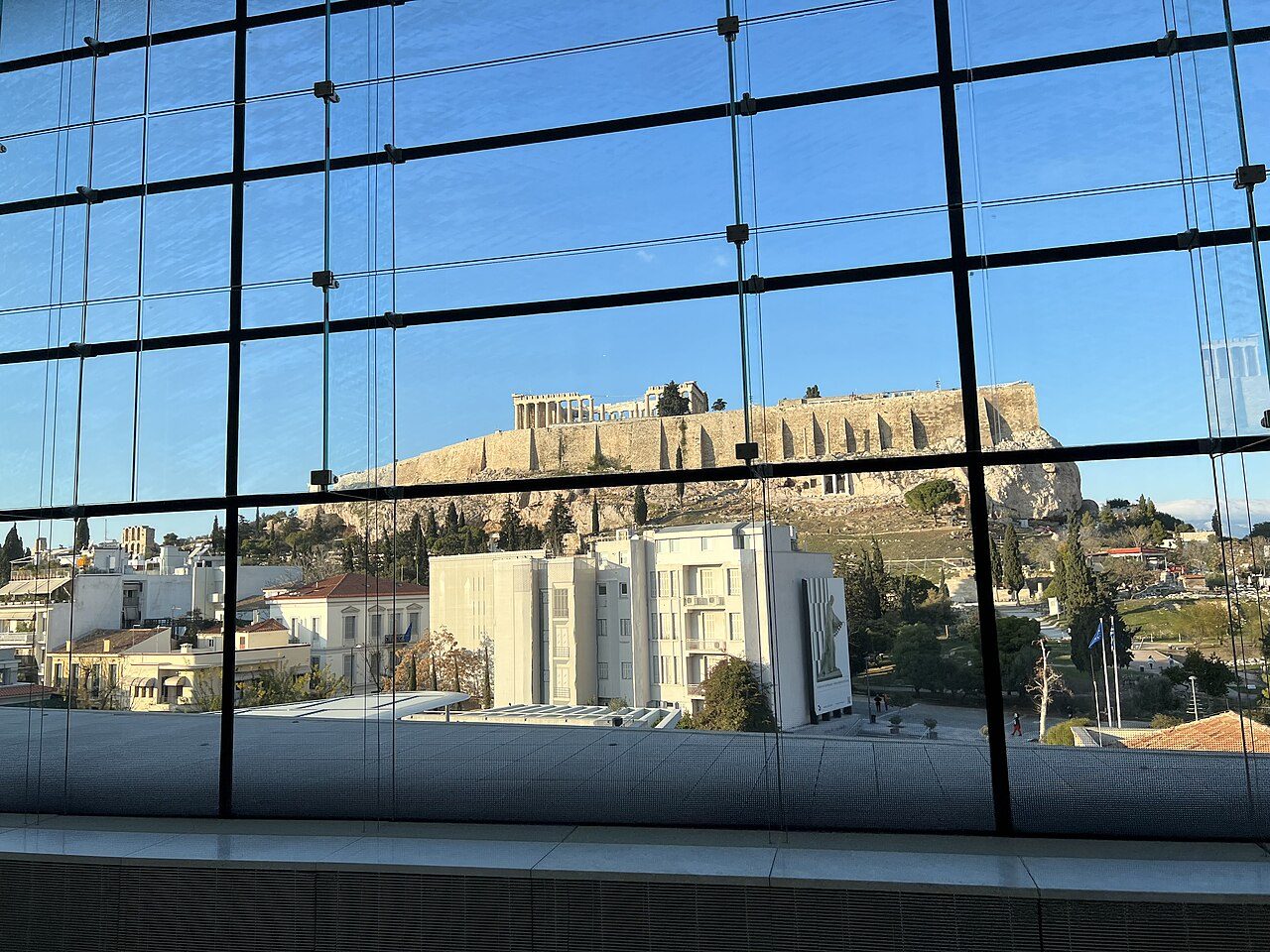
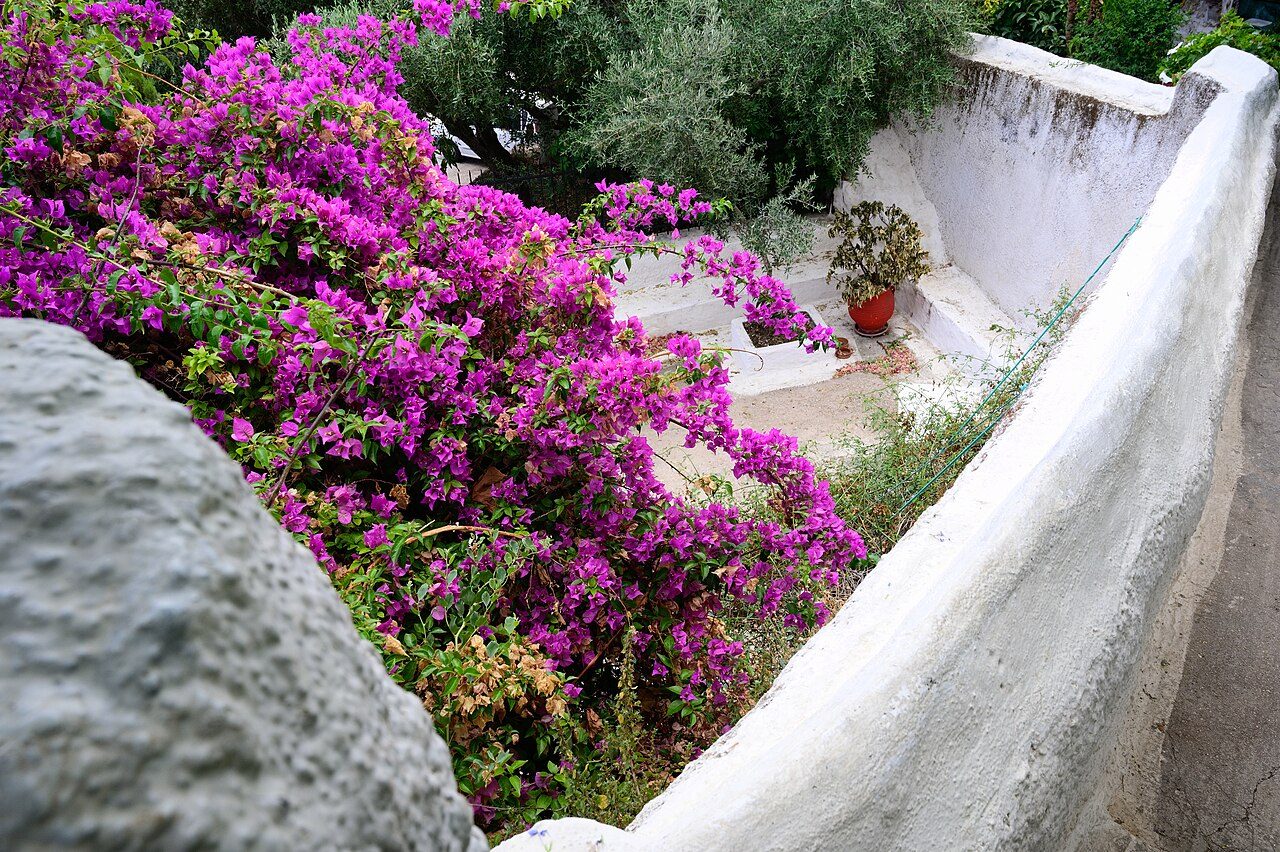
Plaka is the old neighborhood of Athens, a tangle of pedestrian lanes, neoclassical mansions, bougainvillea-draped courtyards and tavernas that lies directly beneath the northeastern slope of the Acropolis. It is the most picturesque part of the city, and the one most visitors see first, and for good reason: the Parthenon appears above the rooftops at almost every turn, the streets are closed to traffic and the whole area feels like a village that happens to sit in the middle of a capital. It is often called the neighborhood of the gods because of its position, and the nickname is easy to understand at sunset when the marble above you turns gold.
People have lived here continuously for thousands of years, and the lanes of Plaka follow the outline of the ancient city. After Greece won its independence in the 1830s, Athens was a small town of a few thousand people, and Plaka was its heart, with the first houses of the new capital built in neoclassical style. In the 1950s and 1960s, the area was threatened by development, but it was protected as a historic district, and traffic was gradually removed. Today, it is one of the most visited areas in Greece, and it can be crowded in summer, but the quieter streets reward those who wander away from the main routes.
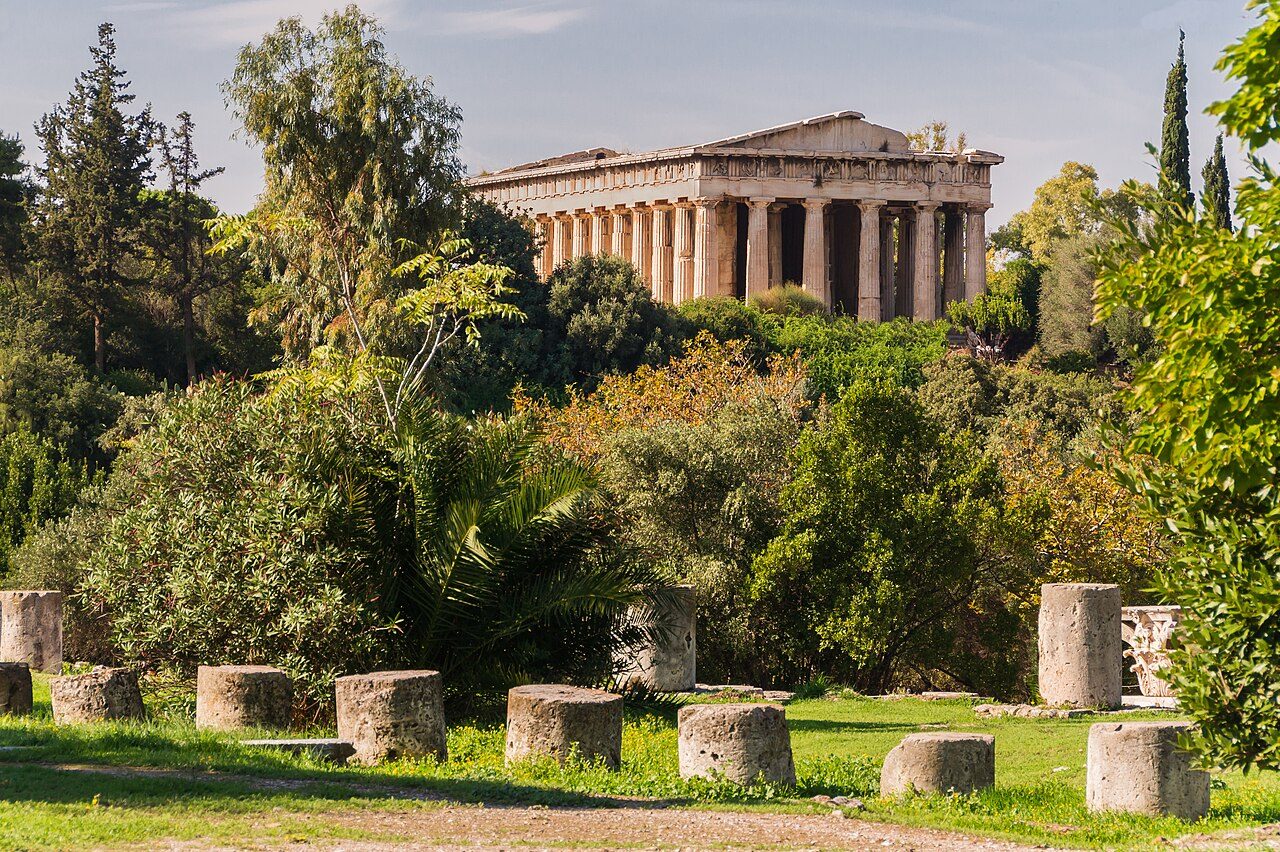
The best way to enjoy Plaka is to walk without a plan. The main streets, Adrianou, Kydathineon and Mnisikleous, are lined with restaurants, cafes and shops, but the side streets are where the neighborhood becomes quiet, with old doorways, flowering vines, cats on the steps and families hanging washing from balconies. Adrianou Street runs along the northern edge of the Ancient Agora and gives views of the ruins, and it is a lovely road for a coffee. Mnisikleous Street is famous for its steps and its tavernas, where tables spill onto the staircase and waiters call out from every doorway.
Anafiotika is a small area within Plaka that feels like a Greek island. It was built in the 19th century by workers from the island of Anafi, who came to Athens to build the royal palace and recreated their home village on the slope of the Acropolis. Today, it is a collection of whitewashed, cube-shaped houses, narrow stairways, blue shutters, geraniums and cats, and it is one of the most charming spots in Athens. It is a residential area, so be quiet and respectful, and photographers should avoid blocking the paths. The steps above lead to the Acropolis, with excellent views over the city.
| Place | What to Expect |
|---|---|
| Anafiotika | A tiny island-style village of whitewashed houses on the slope of the Acropolis |
| Adrianou Street | A long pedestrian street with cafes, shops and views of the Ancient Agora |
| Roman Agora and Tower of the Winds | A Roman marketplace with an octagonal marble clock tower |
| Hadrian's Library and Lysicrates Monument | Roman and Greek remains tucked among the streets of the neighborhood |
| Mnisikleous Street | A stepped street of tavernas leading up toward the Acropolis |
Take the Metro to Acropoli (line 2), Monastiraki (lines 1 and 3) or Syntagma (lines 2 and 3), each about a 5 to 10 minute walk. The neighborhood is closed to most vehicles, so taxis will drop you at the edge, and the streets are steep and cobbled, so wear comfortable shoes.
Plaka is also home to several smaller museums and ancient ruins that are often missed. The Tower of the Winds, a 1st-century BC octagonal marble building in the Roman Agora, was a combined clock, weather vane and water clock, and its sides are decorated with carvings representing the eight winds. Hadrian's Library, built by the Roman emperor in the 2nd century AD, has a large, partly preserved colonnade. The Choragic Monument of Lysicrates, a small circular monument from 335 BC, is the oldest known building with Corinthian columns on the outside, and it stands in a pretty square lined with cafes.
Food in Plaka is a mixed experience. The main streets are full of tourist tavernas with menus in many languages, fixed-price meals and waiters who call to passers-by, and the quality varies. The best strategy is to walk a few streets away from the main routes, look for places with a short menu, handwritten specials and Greek diners, and avoid anywhere with picture menus. For a snack, a <a href="/guide/souvlaki-athens-guide/">souvlaki</a> from a stall near Monastiraki is far cheaper, and a plate of <a href="/guide/moussaka-athens-guide/">moussaka</a> in a taverna with a view of the Acropolis is a classic Athens evening.
Shopping in Plaka is dominated by souvenirs, from olive oil soaps and sponges to leather sandals, jewelry, icons and worry beads, but there are also good shops selling local products such as olive oil, honey, herbs, spices and wine. Prices at the shops on the main streets are higher than elsewhere, so compare before buying, and bargaining is not expected in most places, though a friendly request for a discount on several items can work. Many shops close for an afternoon break and open again in the evening, while the cafes and tavernas stay open late.
A few practical tips help. Plaka is busiest between mid-morning and mid-afternoon, when tour groups arrive from the Acropolis, and quietest early in the morning and late in the evening, which are the best times for photographs. The streets can be slippery when wet. Hotels in Plaka are in a superb location, but rooms can be small, and noise from the tavernas can last late, so ask for a room away from the street. Pickpocketing is rare but possible in crowded areas, so keep bags closed, and be wary of anyone who invites you into a bar or nightclub.
Plaka suits first-time visitors, couples, photographers and anyone who wants to be close to the sights and enjoy a romantic atmosphere. It is less suited to travelers on a tight budget, those who want a local nightlife scene or those who dislike tourist crowds. A good plan is to start early at the Acropolis, walk down to Plaka for lunch, explore Anafiotika and the small museums in the afternoon, and return for dinner and a sunset view. For lodging, see our guide to the <a href="/guide/top-10-hotels-in-athens/">top 10 hotels in Athens</a>.
For more of the city, see our guides to the Acropolis, the Acropolis Museum and the Ancient Agora, and our food guides to souvlaki, moussaka and loukoumades. For budgeting, see Athens on $70 a day, and for lodging, see our top 10 hotels in Athens and budget hotels in Athens.