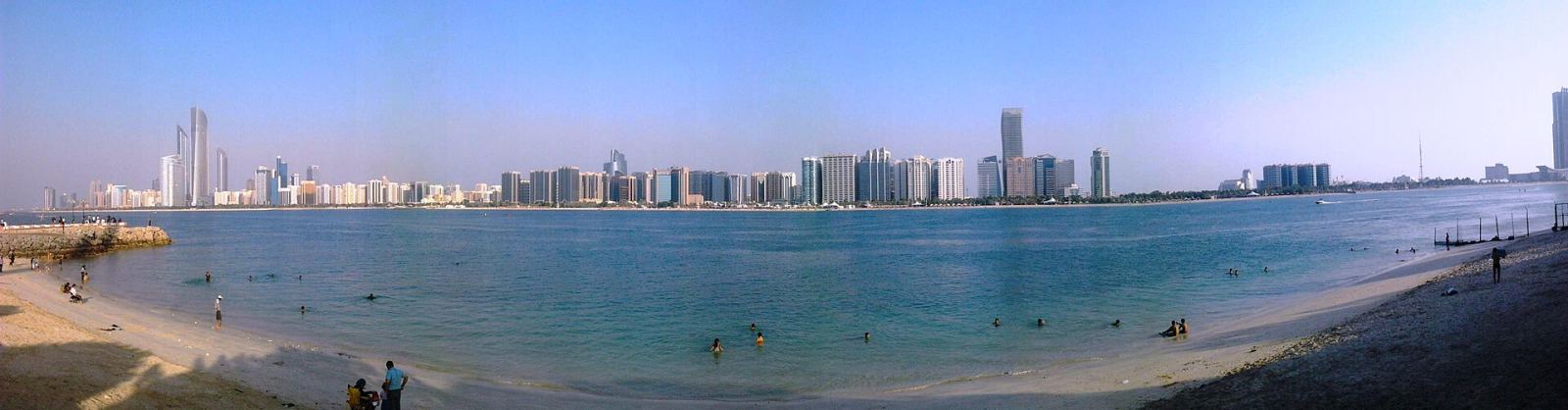
Saadiyat Island's Cultural District: Abu Dhabi's Museum Quarter, Explained
A Neolithic settlement site turned home to the Louvre Abu Dhabi and a growing cluster of world-class museums — the emirate's biggest bet on culture over oil.
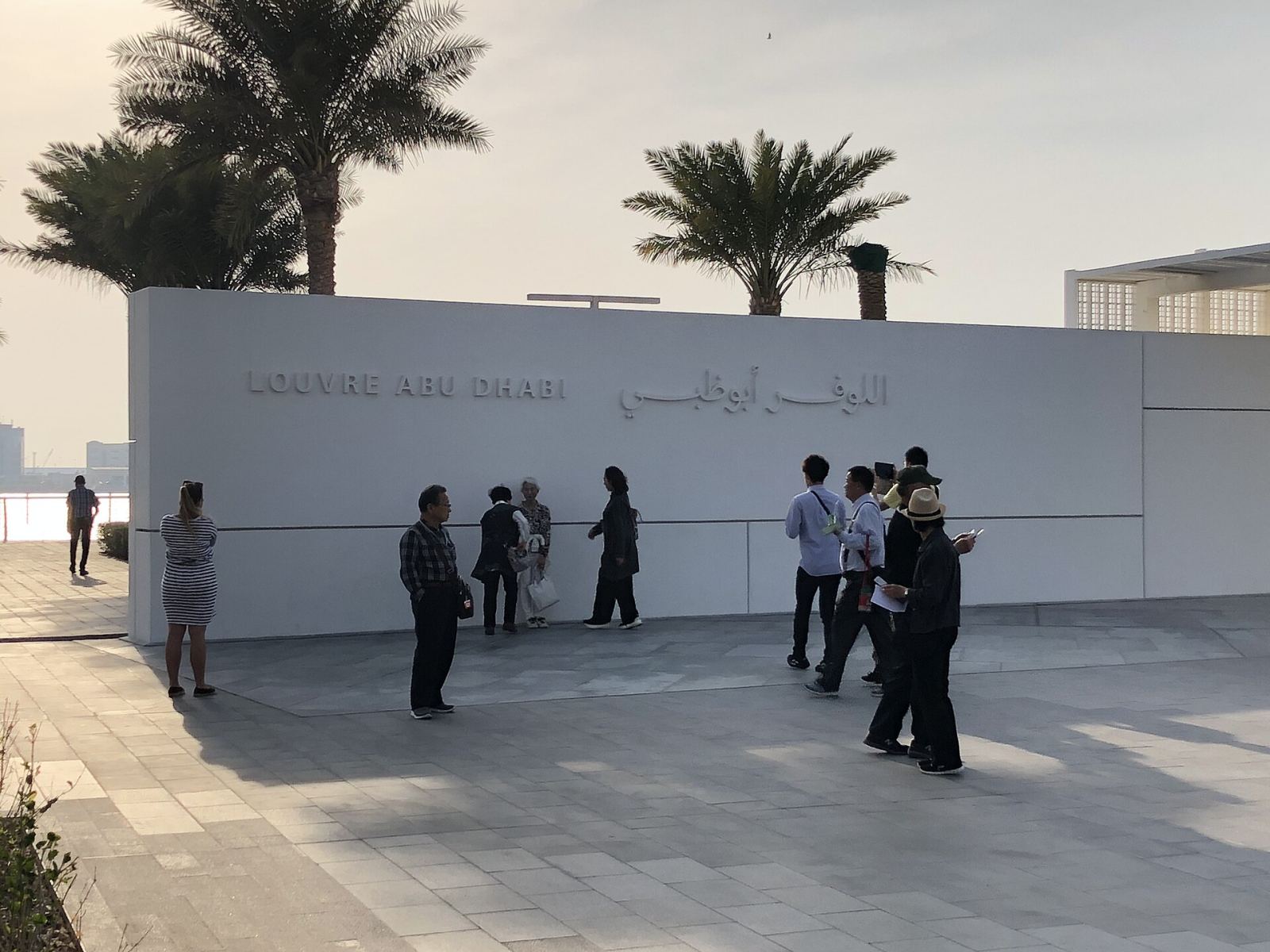
Saadiyat Island's Cultural District represents one of the most ambitious concentrations of world-class museums built anywhere in the past two decades — a purpose-built cluster on the outskirts of Abu Dhabi that already houses the Louvre Abu Dhabi and continues expanding toward what will eventually be one of the highest densities of major cultural institutions on the planet. It's a striking bet on culture as a pillar of a post-oil economy, executed at a scale few other cities have attempted.
The idea for Saadiyat Island's development was conceived by the Abu Dhabi government in 2004, explicitly framed as part of a broader strategy to diversify the emirate's oil-dependent economy through tourism and culture. The Tourism Development and Investment Company (TDIC), founded in 2006 specifically to develop and promote the emirate's tourism projects, carried the plan forward. Notably, human activity on the island itself long predates any of this — archaeological evidence points to Neolithic-era settlements here, with early inhabitants likely drawn by the island's proximity to the sea and its natural resources, giving the ultra-modern Cultural District an unexpectedly deep layer of history beneath its foundations.
Louvre Abu Dhabi, designed by French architect Jean Nouvel and opened in 2017, remains the district's flagship and best-known institution, its enormous perforated dome creating a distinctive "rain of light" effect across the galleries below — a design detail that has become one of the most photographed architectural features in the entire Gulf region. The museum's collection spans ancient and modern works spanning Egypt, Greece, Rome, China, and the broader Middle East, deliberately framed around universal human creativity rather than a single national or regional narrative. Several more institutions are planned or under construction nearby, including the Zayed National Museum, designed by Foster + Partners with steel structures inspired by falcon wings, the Natural History Museum Abu Dhabi (set to become the region's largest science-focused museum), and Frank Gehry's Guggenheim Abu Dhabi, planned as the largest Guggenheim museum in the world once complete.
| Time | Atmosphere | Best For |
|---|---|---|
| Weekday mornings | Quietest window at Louvre Abu Dhabi | A relaxed, unhurried museum visit |
| Weekends | Busier, particularly with families and local visitors | Full district atmosphere, though expect more crowds |
| Late afternoon | The dome's light effects shift dramatically as the sun angle changes | Photography of the "rain of light" ceiling effect |
| Evening | Cooler outdoor temperatures, some evening programming | Combining a museum visit with Saadiyat's beach or dining options |
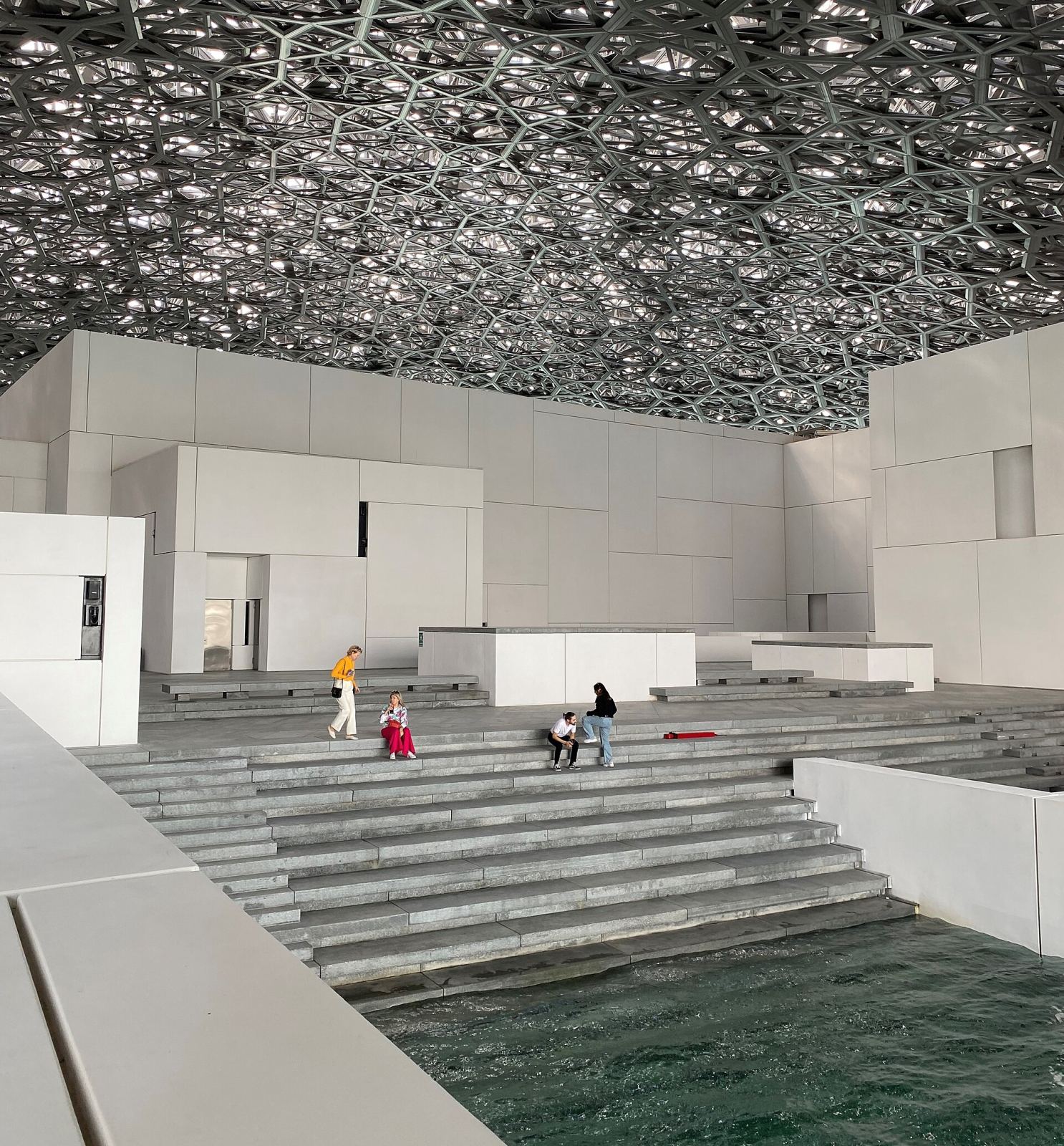
The architectural conversation between the Cultural District's buildings is itself worth paying attention to — Jean Nouvel's dome at the Louvre, Foster + Partners' falcon-inspired forms at the Zayed National Museum, and Frank Gehry's characteristically sculptural approach for the Guggenheim represent three distinct, world-renowned architectural voices brought together on a single island, a curatorial decision about the buildings themselves as much as about what's displayed inside them.
Louvre Abu Dhabi tickets can be purchased online ahead of a visit, which is worth doing during peak season or weekends to avoid queuing at the entrance. For full ticketing and visiting details, see our dedicated guide to the museum.
The ambition behind the Cultural District extends beyond individual buildings to a genuine bet on how a Gulf economy can reposition itself for a future beyond oil revenue — museums of this caliber, staffed with international expertise and built through partnerships with institutions like the Louvre and Guggenheim, represent a considerable long-term investment in cultural tourism and soft power rather than a quick-return project, and the pace of construction across the island reflects that long-view planning.
Saadiyat Island extends well beyond the Cultural District itself — the island also includes Saadiyat Beach, consistently rated among the best public beaches in Abu Dhabi, along with several luxury resorts and residential developments. That combination of world-class museums and genuine beach access in a single location is fairly unusual even by Gulf standards, and it's part of why Saadiyat has become a full-day (or even multi-day) destination for visitors rather than a quick museum stop.
For full details on visiting Louvre Abu Dhabi specifically, see our dedicated Louvre Abu Dhabi guide. Saadiyat pairs naturally with a broader Abu Dhabi cultural itinerary alongside Sheikh Zayed Grand Mosque, and for trip planning more generally, see Abu Dhabi's Best Ticketed Attractions.
Saadiyat Island sits just northeast of central Abu Dhabi, connected by bridge and typically a 15-20 minute drive from downtown. Taxis and ride-hailing apps are the standard way to reach it, and public bus routes also serve the island, though a car or taxi remains considerably more convenient given the distances between the Cultural District, the beach areas, and other parts of the island.
The pace of construction across Saadiyat means the Cultural District will look meaningfully different a few years from now than it does today, with each new museum opening adding to the density of major institutions on the island — worth keeping in mind for return visitors, since a trip made before the remaining museums open will inevitably miss a considerable share of what the district is ultimately meant to offer. Checking current opening status before a visit is a reasonable habit given how quickly the island's offerings continue to expand.
Frequently Asked Questions
It's worth allowing more time here than a typical museum visit elsewhere might require, given both the scale of the Louvre's collection and the growing number of additional institutions opening nearby — treating Saadiyat as a single half-day stop tends to undersell just how much the Cultural District has to offer, particularly as the remaining planned museums come online over the next several years.