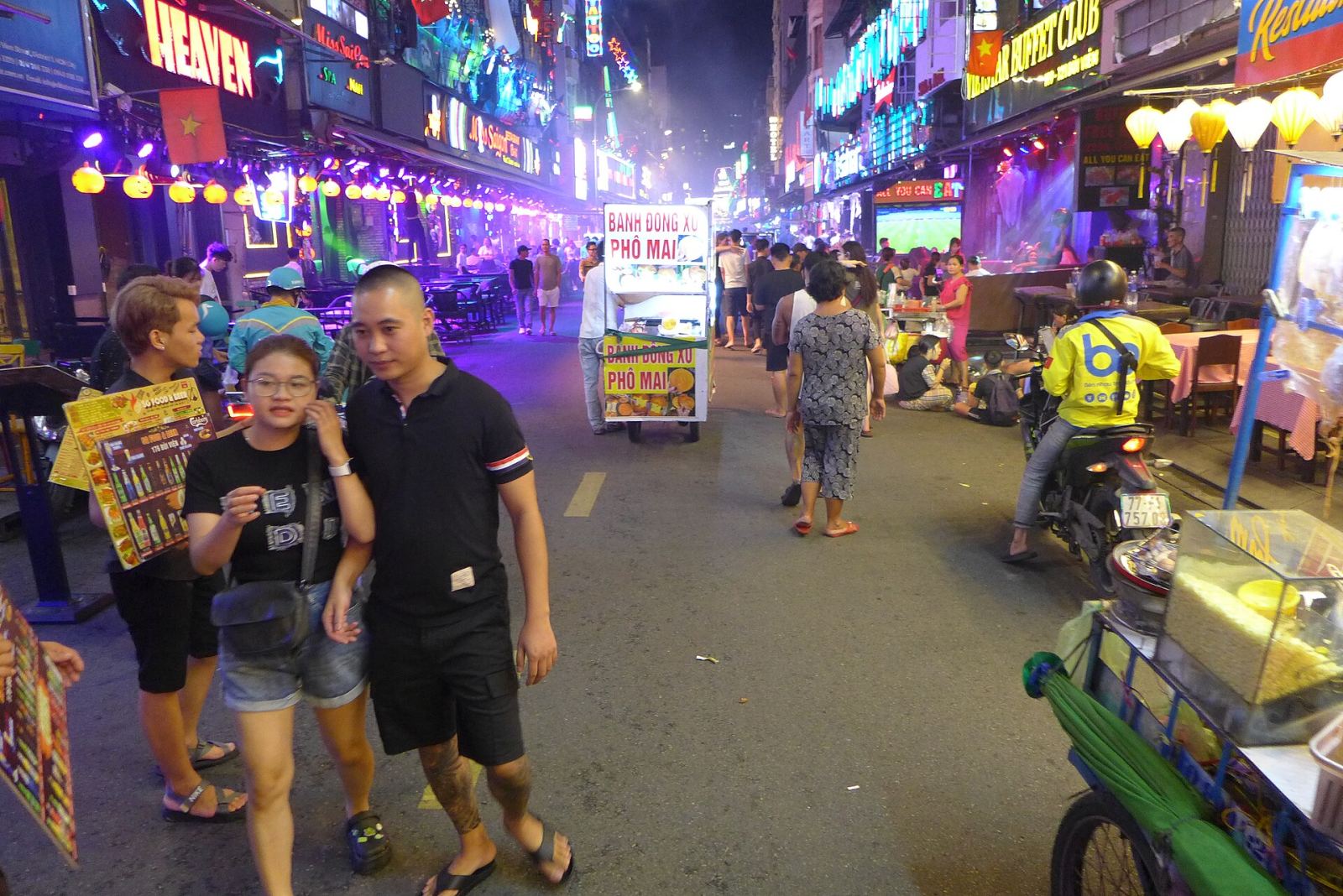
A Saigon Food Crawl: Bánh Mì, Cà Phê Sữa Đá, and Where the Locals Actually Eat
You could spend a week in Ho Chi Minh City and eat well without ever sitting down at a restaurant. Here is a half-day route built around the two dishes the city does better than anywhere else.

Ho Chi Minh City's food scene rewards wandering more than reservations. The best bánh mì in the city is more likely to come from a folding table on a side street than a restaurant with a printed menu, and the best coffee is often served from a plastic stool on the sidewalk rather than a café with air conditioning. This is a loose half-day route built around two things Saigon does exceptionally well: bánh mì and cà phê sữa đá, Vietnamese iced coffee.
Bánh mì: what makes Saigon's version different
Bánh mì exists all over Vietnam, but the Saigon style tends to be the most maximalist — a crackling-crust baguette (itself a French colonial legacy, made lighter and airier than a traditional French loaf using a mix of wheat and rice flour) stuffed with a combination of pork pâté, cold cuts, pickled carrot and daikon, cucumber, fresh herbs, chili, and a swipe of mayonnaise. The balance of hot bread, cold pickles, and fatty pâté is the whole point, and a good vendor gets that balance right in under two minutes of assembly.
There is no single "best" bánh mì stall that everyone agrees on — ask ten locals and you will get ten different answers, usually tied to whichever stall is closest to where they grew up. What is more useful than chasing a specific address is knowing what to look for: a queue of local office workers rather than tourists, a vendor who is toasting or reheating the baguette rather than serving it cold, and pâté that looks freshly made rather than pre-packaged. Expect to pay 15,000–25,000 VND, roughly $0.60–$1, for a full sandwich from a street stall.
Cà phê sữa đá: coffee built for the heat
Vietnamese coffee is traditionally brewed hot, drip-style, through a small metal phin filter directly over a layer of sweetened condensed milk, then poured over ice. The condensed milk is not optional or a modern add-on — it is the traditional preparation, dating back to when fresh milk was hard to keep in Vietnam's climate and canned condensed milk was more reliable. The result is strong, slightly bitter robusta coffee balanced against a heavy sweetness, served over ice in a tall glass.
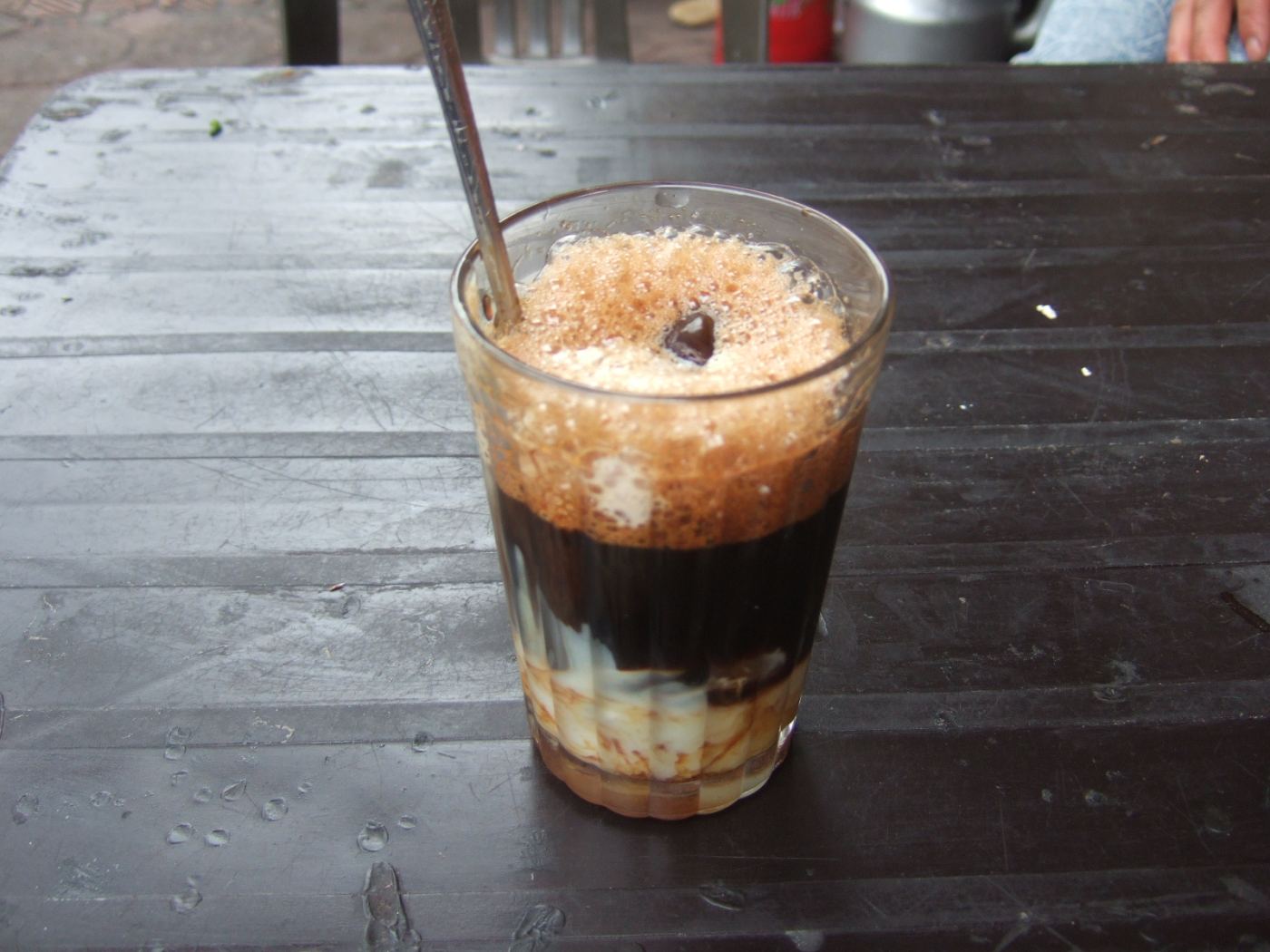
If you want to see the phin filter in action rather than just receive a finished glass, look for smaller, older-style coffee shops rather than chain cafés — many still brew each cup to order at the table, letting the coffee drip slowly for three to five minutes before you stir in the condensed milk yourself. It is slower than a machine espresso, and that is the appeal.
A loose crawl order for one afternoon
If navigating stall-by-stall on your own feels daunting, a guided street food tour groups several of these stops together with a local guide who already knows which vendors are consistently good — a few well-reviewed evening options are listed on Klook's Ho Chi Minh City activities page.
Where to base yourself for good food access
District 1, particularly the streets around Bui Vien and Le Thanh Ton, has the highest density of both street stalls and sit-down restaurants within easy walking distance, which makes it a practical base if food is a priority for your trip. Hotel and short-stay listings for that specific pocket of the city are easy to filter for on Trip.com's Ho Chi Minh City guide, which breaks listings down by neighborhood rather than just by star rating.