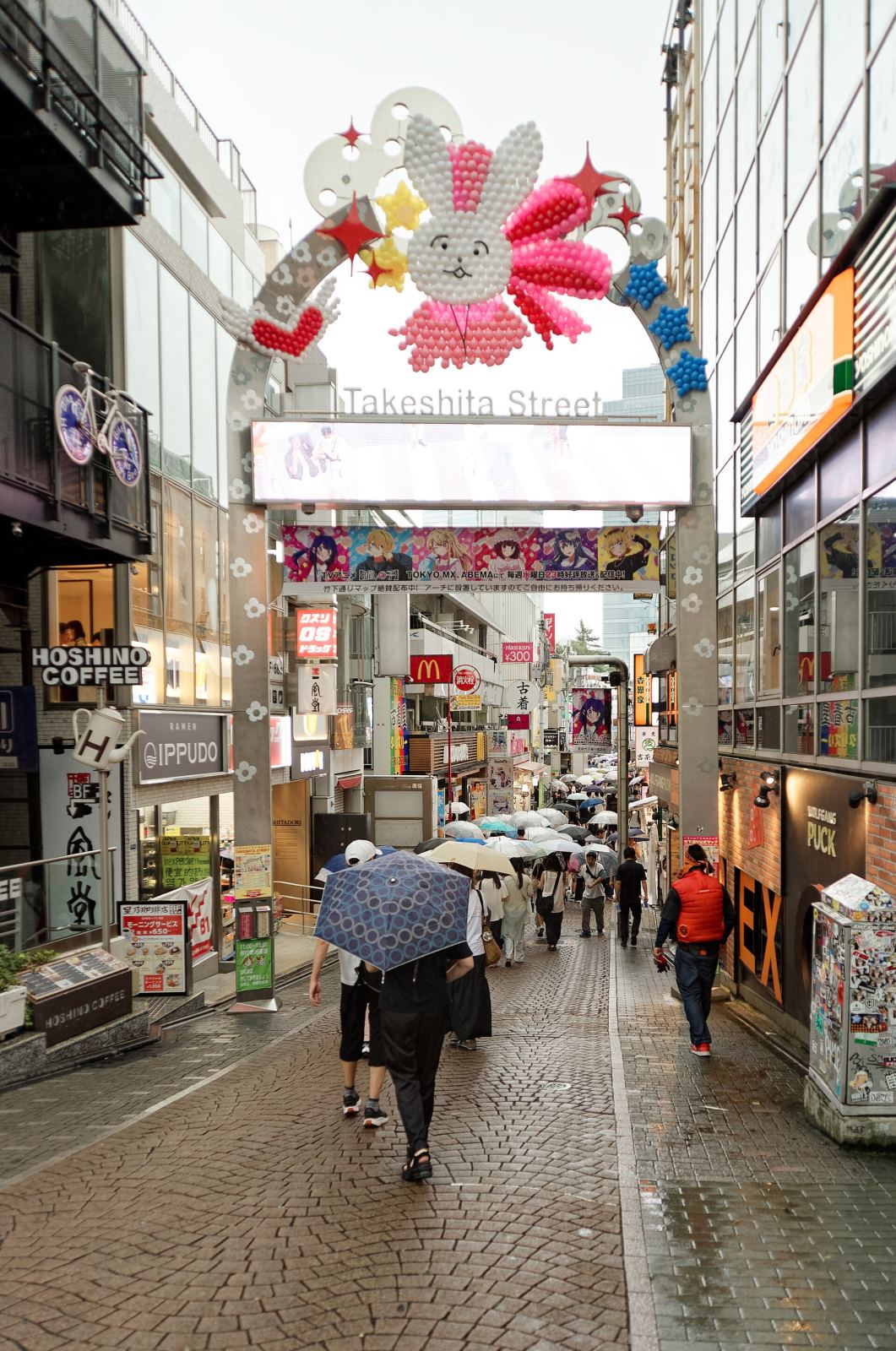
Tokyo on $50 a Day
Tokyo has a reputation for being expensive — but with the right choices on hostels, konbini meals, and free attractions, $50 a day is genuinely doable.
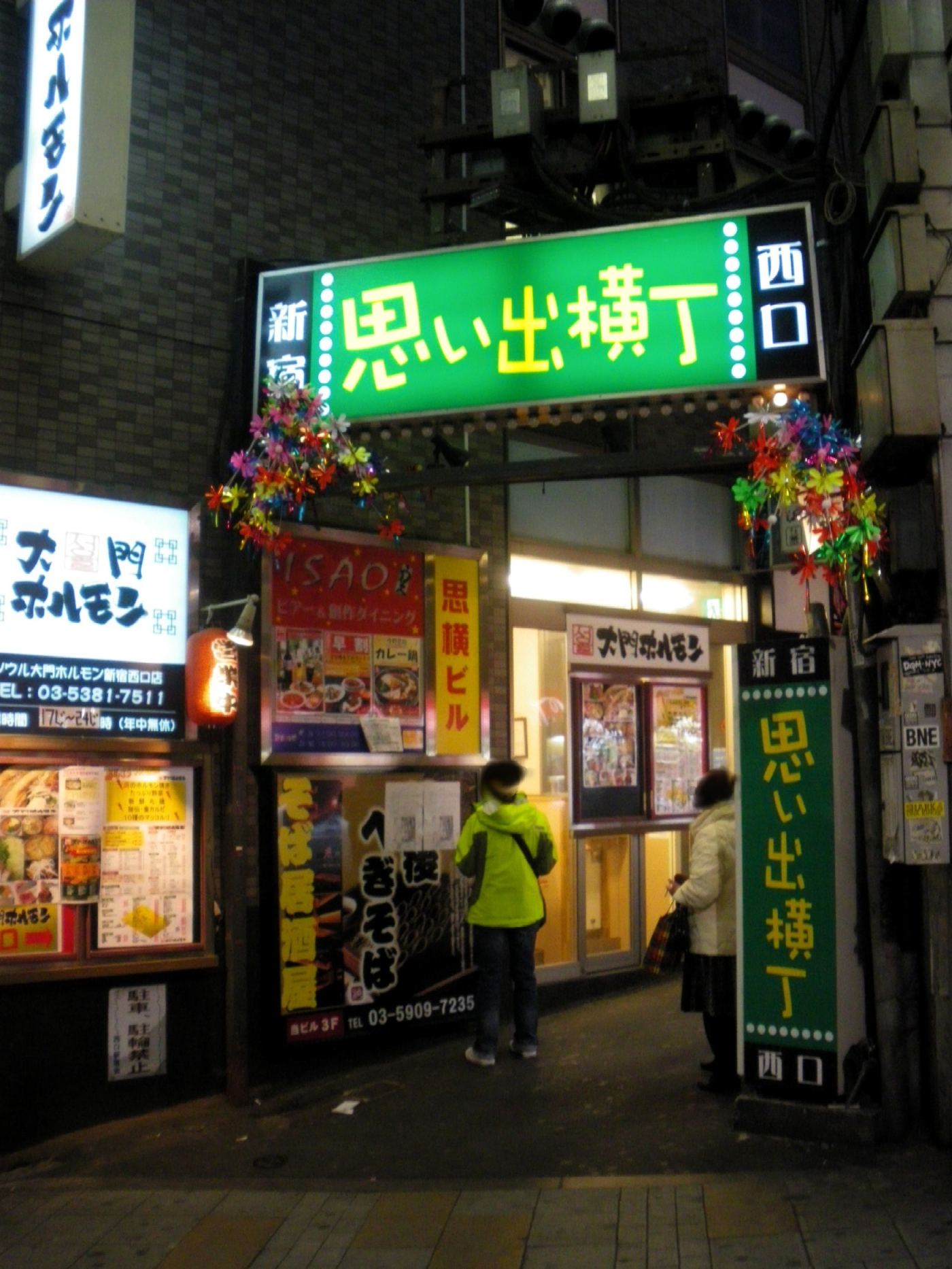
Tokyo has a reputation as one of the world's most expensive cities, and for some things — hotels, alcohol at trendy bars, souvenir shopping in Ginza — that reputation is well earned. But the reality of day-to-day costs is more forgiving than most people expect. Cheap, genuinely good food is everywhere, public transport is efficient and inexpensive, and many of the city's best experiences (temples, shrines, neighborhood wandering) cost nothing at all.
With the right choices, $50 a day is a realistic budget — not a miserable, sightseeing-free one, but a comfortable base that still lets you eat well and see the highlights.
Daily Budget Breakdown
🛏️ Where to Sleep for Under $25 a Night
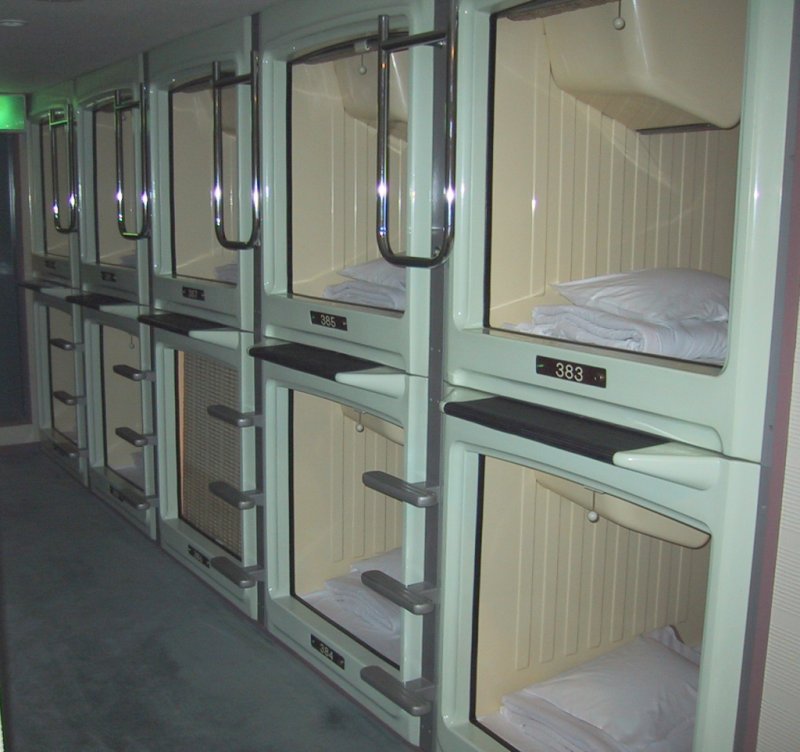
Accommodation is usually the biggest line item, and Tokyo's budget options are genuinely good — cleanliness standards are high across the board, even at the cheapest places.
| Option | Avg. Price/Night | Best For |
|---|---|---|
| Capsule Hotel | $20–$30 | A novelty experience with real privacy and cleanliness |
| Hostel Dorm Bed | $15–$25 | The cheapest option, and a good way to meet other travelers |
| Budget Business Hotel | $30–$45 | A private room if you're willing to trim elsewhere to compensate |
Agoda
Strong deals on capsule hotels and budget business hotels across Tokyo.
Search Hotels on Agoda →Trip.com
Good for comparing budget hotel prices alongside flights in one place.
Search Hotels on Trip.com →🍱 Eating Well for Under $15 a Day
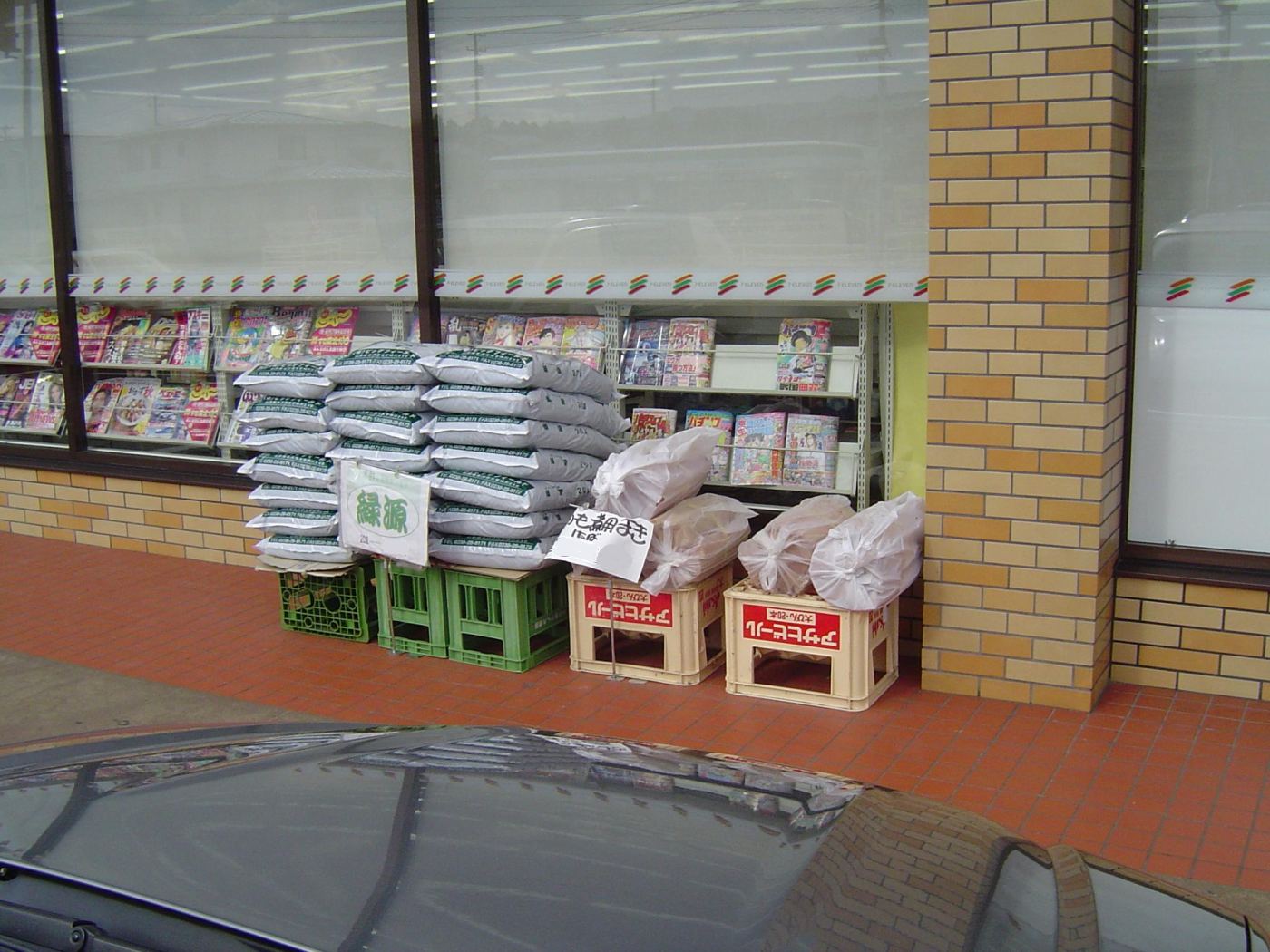
This is where Tokyo genuinely surprises budget travelers. Convenience stores (konbini) in Japan are nothing like their Western counterparts — the onigiri, bento boxes, and sandwiches are fresh, varied, and cheap. Standing soba and udon shops near train stations serve a full, satisfying bowl in minutes for a few hundred yen. And lunchtime set meals (teishoku) are often noticeably cheaper than ordering the same dishes at dinner.
Konbini Meals
Onigiri, bento boxes, and sandwiches from 7-Eleven, Lawson, or FamilyMart — fresh, filling, and genuinely good. Avg. ¥300–¥600.
Standing Soba/Udon Shops
Quick-service noodle counters near train stations, often eaten standing up. Avg. ¥350–¥500.
Lunch Set Deals (Teishoku)
A full set meal — main, rice, soup, and pickles — often cheaper at lunch than the same dish would be at dinner. Avg. ¥800–¥1,100.
Ramen
A hearty, filling bowl that works well as either lunch or dinner. Avg. ¥800–¥1,000.
🚇 Getting Around Cheaply
Get a Suica or PASMO IC card as soon as you arrive — it works on nearly every train, subway, and bus in the city, and saves the hassle of buying individual tickets. If you're planning to hit several stops in a single day, a one-day metro pass (around ¥800) can work out cheaper than paying per ride. Where possible, walk between nearby attractions — many of Tokyo's neighborhoods are more walkable than they first appear, and it's free. Taxis, by contrast, are one of the fastest ways to blow a daily budget — avoid them unless absolutely necessary.
⚖️ $50 vs. $100 a Day: What Actually Changes
It's worth being clear about what a $50 budget does and doesn't get you. You'll sleep in a shared dorm or capsule rather than a private room, eat mostly at konbini, standing noodle counters, and casual sit-down spots rather than izakaya with table service, and skip most paid attractions in favor of free shrines, parks, and neighborhood walking.
Doubling the budget to around $100 a day mainly buys back comfort and flexibility rather than unlocking a completely different trip — a private budget hotel room instead of a dorm bed, a couple of sit-down dinners with drinks, and room for one or two paid attractions like teamLab or a sumo tournament. The core experience of Tokyo — the food, the temples, the neighborhoods — is available at either budget; $100 a day just removes some of the trade-offs.
🎏 Free and Cheap Things to Do
Senso-ji Temple
Tokyo's oldest temple, and completely free to visit — including the Nakamise shopping street leading up to it.
Meiji Shrine
A peaceful forested shrine near Harajuku, free to enter and a nice contrast to the surrounding city energy.
Tokyo Metropolitan Government Building
A free observation deck with skyline views comparable to paid options like Tokyo Skytree.
Neighborhood Wandering
Shimokitazawa and Yanaka cost nothing to explore and offer some of the most rewarding, least touristy walking in the city.
🧾 Sample $50 Day Budget
| Item | Cost |
|---|---|
| Capsule hotel | $22 |
| Breakfast (konbini) | $3 |
| Lunch (teishoku set) | $7 |
| Dinner (ramen) | $8 |
| Transport (day pass) | $6 |
| Attraction (Shinjuku Gyoen entry) | $3 |
| Miscellaneous | $1 |
| Total | ~$50 |
Private hotel rooms and taxis are the two easiest ways to blow through a $50 daily budget. Buying a SIM or eSIM in advance rather than at an airport kiosk, and avoiding ground-floor restaurants in Ginza or Shibuya's busiest tourist strips, also helps stretch your money further.
📱 Useful Apps and Tools for Budget Travel
A few free tools make it much easier to stick to a tight daily budget in Tokyo. Google Maps handles train and subway routing reliably, including live platform and transfer information, so you rarely need to pay for a paper guide or app subscription. A currency converter app helps you catch when a menu price looks off before you order, since it's easy to lose track of the exchange rate mid-trip. If you're relying on Wi-Fi rather than a data SIM, most konbini, train stations, and cafés now offer free networks, though coverage in older or more residential areas can be patchy — worth factoring in if you're navigating on the fly.
It's also worth downloading a translation app with an offline mode before you land. Menus at budget noodle counters and konbini often aren't in English, and being able to quickly scan a sign or menu saves both time and the occasional expensive ordering mistake.