The Trevi Fountain: History, the Coin Tradition, and When to Go
The story behind Rome's most famous fountain, what actually happens to the coins, and the best time to visit without the crowds.
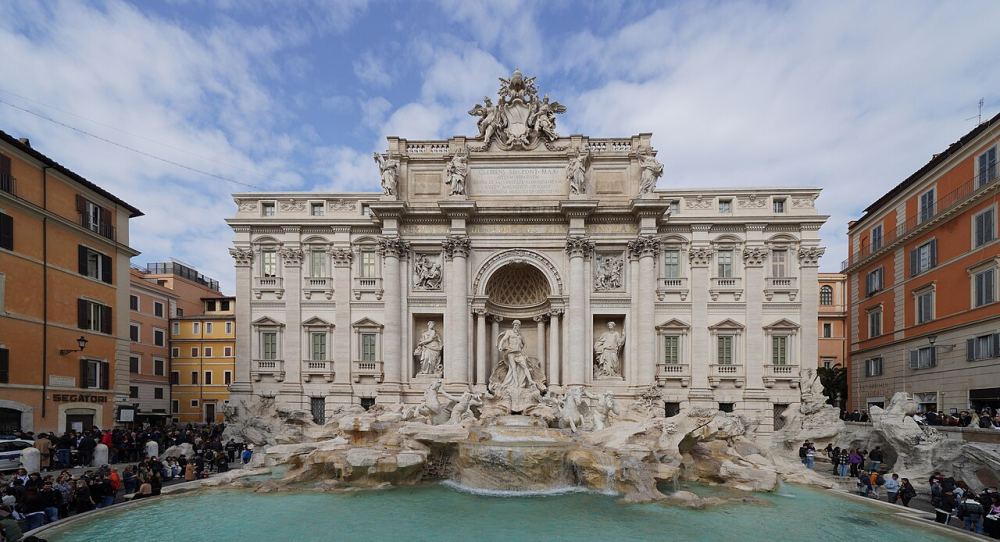
The Trevi Fountain
Completed in 1762, the Trevi Fountain is the largest Baroque fountain in Rome, built into the side of the Palazzo Poli at the meeting point of three streets (tre vie — hence the name). It's free to visit at any hour, and unlike Rome's ticketed monuments, there's no booking required — just a genuinely large crowd to work around, day or night.
The Coin-Toss Tradition
Legend holds that tossing a coin into the fountain with your right hand, over your left shoulder, guarantees a return trip to Rome — tossing two coins is said to bring romance, and three, marriage. An estimated €1.5 million in coins is thrown into the fountain each year, and the money is collected regularly and donated to Caritas, a Catholic charity, to fund services for Rome's needy.

Best Time to Visit
| Time | Crowd Level | Notes |
|---|---|---|
| Early morning (before 8am) | Low | The only realistic window for an uncrowded photo |
| Midday | Very high | Consistently the most crowded time |
| Evening (after sunset) | High but atmospheric | Fountain is lit, and it's a popular evening stop |
The fountain sits in a small piazza that fills up fast — arriving right at sunrise is genuinely the only way to get an unobstructed photo without dozens of other visitors in frame.


