Turkish Tea and Coffee: How to Order and What to Expect
The difference between Turkish tea and coffee, how each is brewed, and how to order coffee at the right sweetness level.
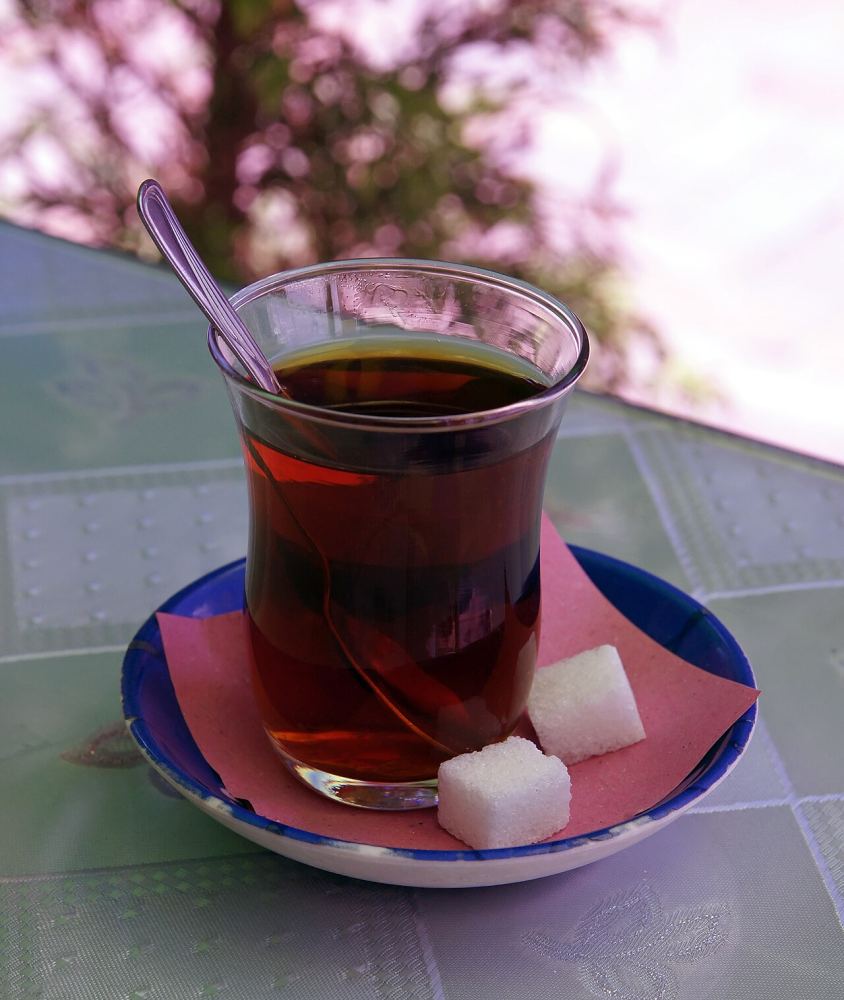
Turkish Tea and Coffee: Two Different Rituals
Turkish tea (çay) and Turkish coffee (kahve) are both central to daily life in Istanbul, but they serve different roles and are brewed completely differently — tea is the everyday default, served constantly throughout the day, while coffee is more occasional and ritualized, often reserved for a slower, more deliberate moment.
Turkish Tea (Çay)
Brewed strong in a two-tiered pot (çaydanlık) and served in small tulip-shaped glasses, Turkish tea is offered almost everywhere — shops, offices, and social visits all typically involve a round of çay, often free or nearly free as a gesture of hospitality. It's served without milk, and sugar cubes are provided on the side rather than mixed in for you.
Turkish Coffee (Kahve)
Turkish coffee is made by simmering very finely ground coffee with water (and often sugar, added during brewing rather than after) in a small pot called a cezve, producing a thick, unfiltered coffee with a layer of foam and grounds that settle at the bottom of the cup. It's traditionally served with a glass of water on the side and sometimes a small sweet, like a piece of Turkish delight.
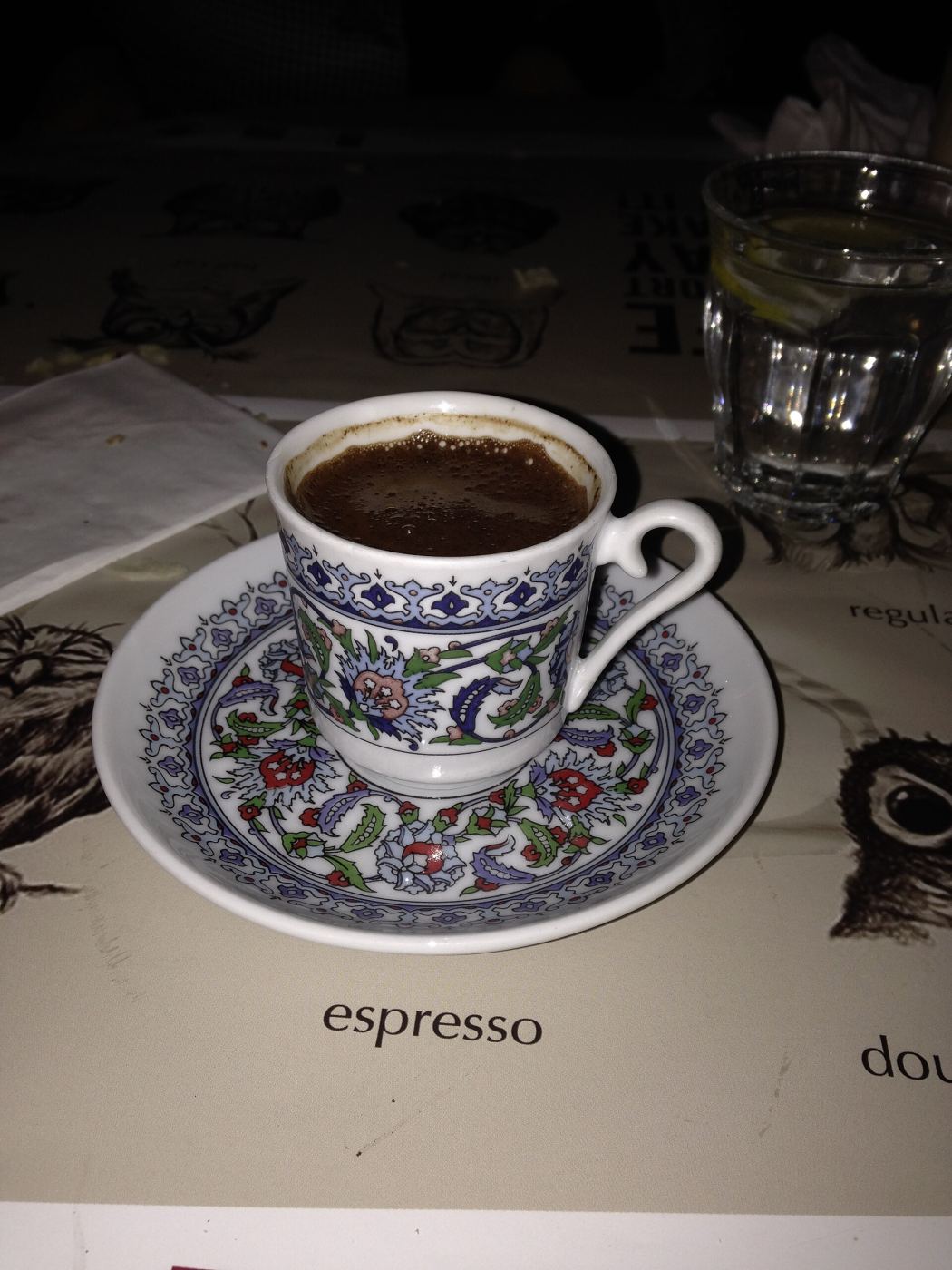
Ordering Coffee: Sugar Levels
| Term | Sweetness |
|---|---|
| Sade | No sugar |
| Az şekerli | A little sugar |
| Orta | Medium sugar (the most common default) |
| Şekerli / Çok şekerli | Sweet / very sweet |
Being offered tea is a genuine hospitality gesture in Turkey, even during a casual shop visit or business interaction — accepting it, even briefly, is generally seen as polite rather than obligatory.