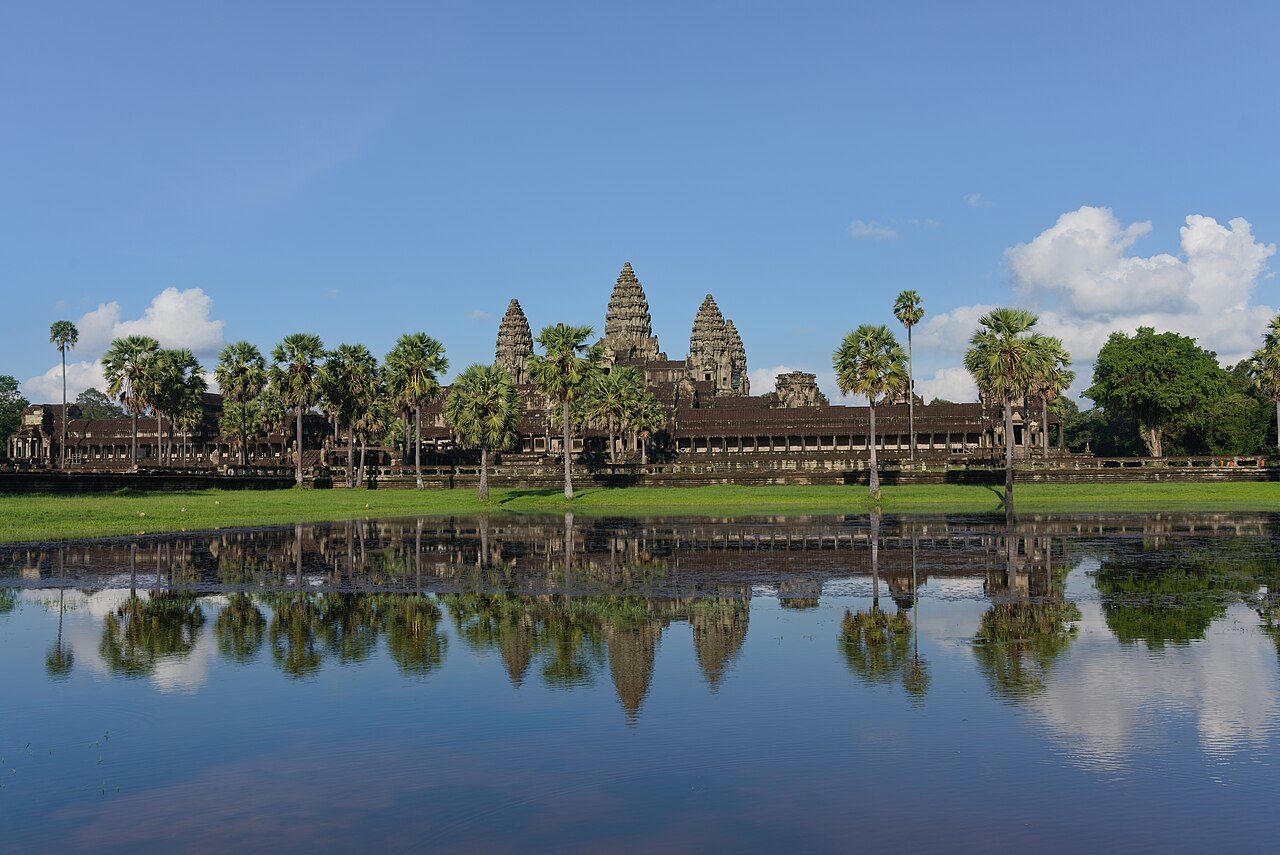
Why Visit Siem Reap?
Siem Reap is the gateway to the Angkor Archaeological Park, one of the greatest wonders of the ancient world. Between the 9th and 15th centuries, the Khmer Empire ruled much of Southeast Asia from this area, and its kings built hundreds of temples across about 400 square kilometers of forest and rice fields. The best known, Angkor Wat, is the largest religious monument in the world, and its five lotus-shaped towers have become the symbol of Cambodia, appearing on the national flag. Visiting at sunrise, when the towers appear in silhouette over a lily pond, is one of the most memorable travel experiences in Asia.
But Siem Reap is more than a base for temples. The town itself is relaxed and friendly, with a French-colonial old quarter, a lively riverside, night markets, craft workshops, cooking classes and a food scene that ranges from $1 noodle soups to refined Khmer tasting menus. Cambodia is one of the cheapest countries in Southeast Asia, so budget travelers can live well, and luxury travelers can find boutique hotels with pools and spas at moderate prices. Beyond the temples, you can visit the floating villages of Tonle Sap lake, the waterfalls of Phnom Kulen and cycle through villages and rice paddies.
Getting Around Siem Reap
The town centre is small, and the main areas, Pub Street, the Old Market, the riverside and Wat Bo Road, are within walking distance of each other. For longer distances, tuk-tuks are everywhere and cost about $2 to $4 for a trip across town, and a tuk-tuk driver can be hired for the day to visit Angkor for about $15 to $25, depending on the circuit. Ride-hailing apps such as PassApp and Grab work well and show fixed prices. Many visitors rent bicycles or electric scooters to explore the temples at their own pace, though the heat and the distance make a driver more practical for the outer temples.
You need an Angkor Pass to enter the temple zone, sold at the official ticket center on the road to the temples, not at the gates or in town. The one-day pass costs roughly $37, the three-day pass roughly $62 and the seven-day pass roughly $72, and the passes must be bought in person with a photo taken at the counter. Check the official website for current prices.
Top Attractions
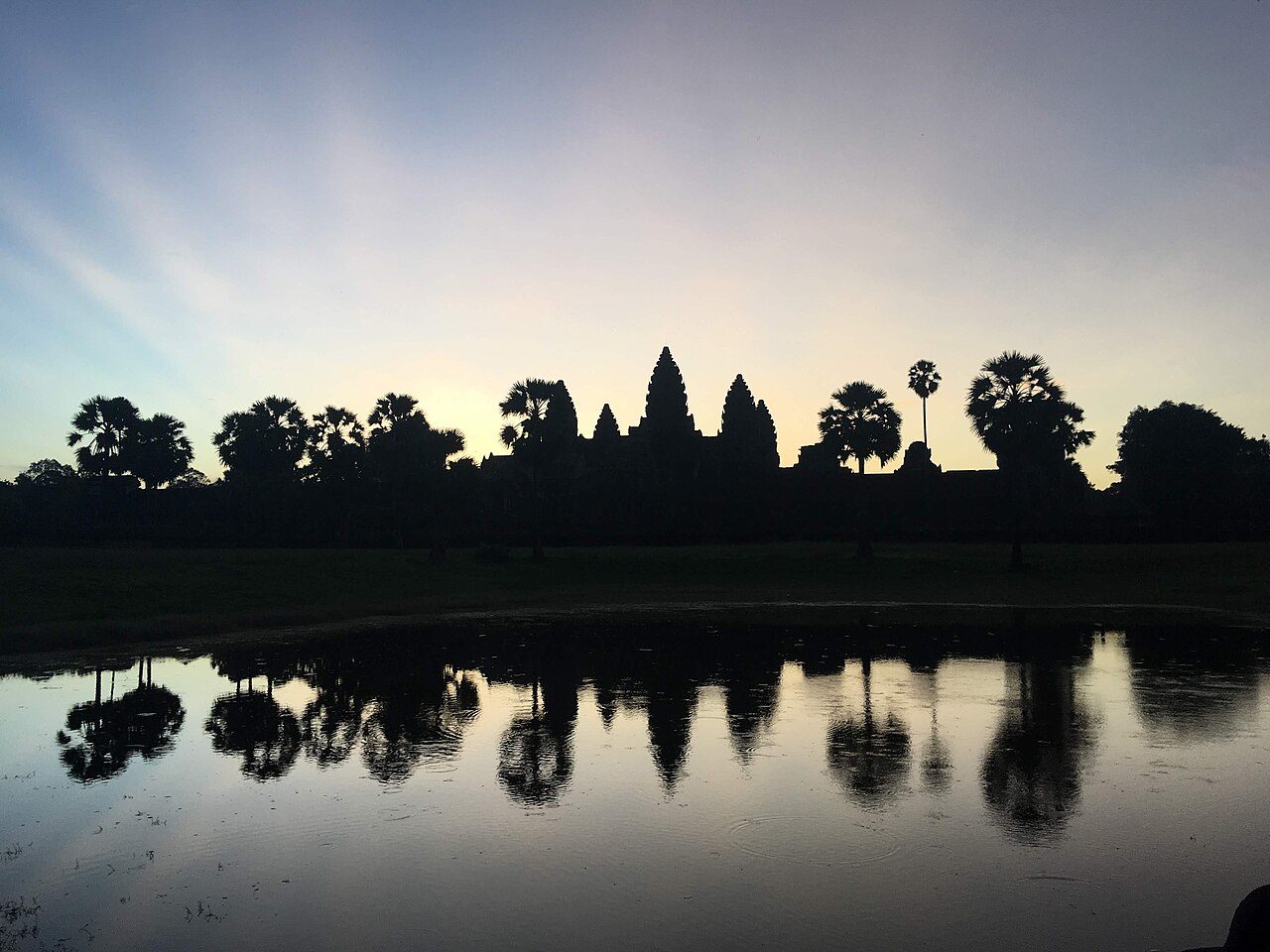
Angkor Wat
The largest religious monument in the world, built in the 12th century, famous for its sunrise views.
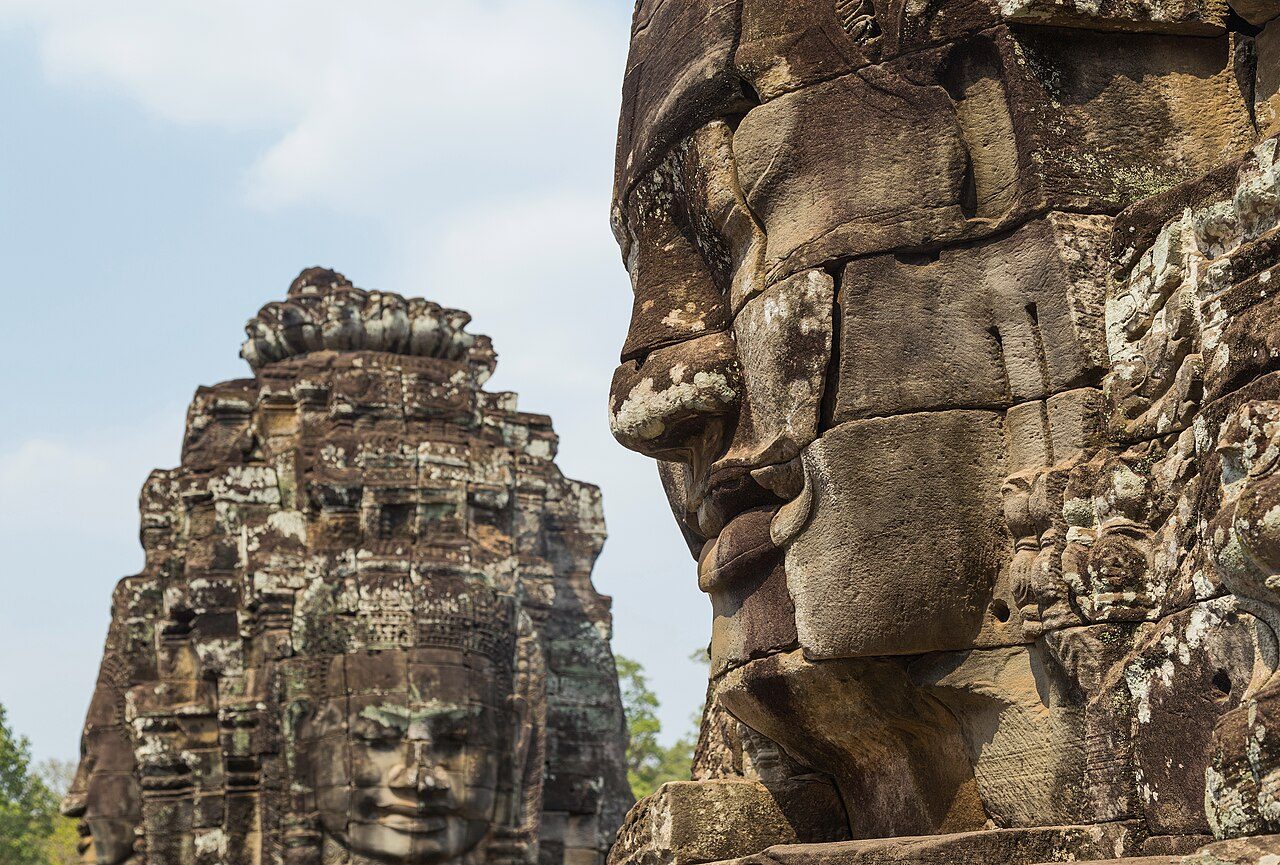
Angkor Thom and the Bayon
A walled royal city with the Bayon temple's 200 smiling stone faces, which look in every direction.
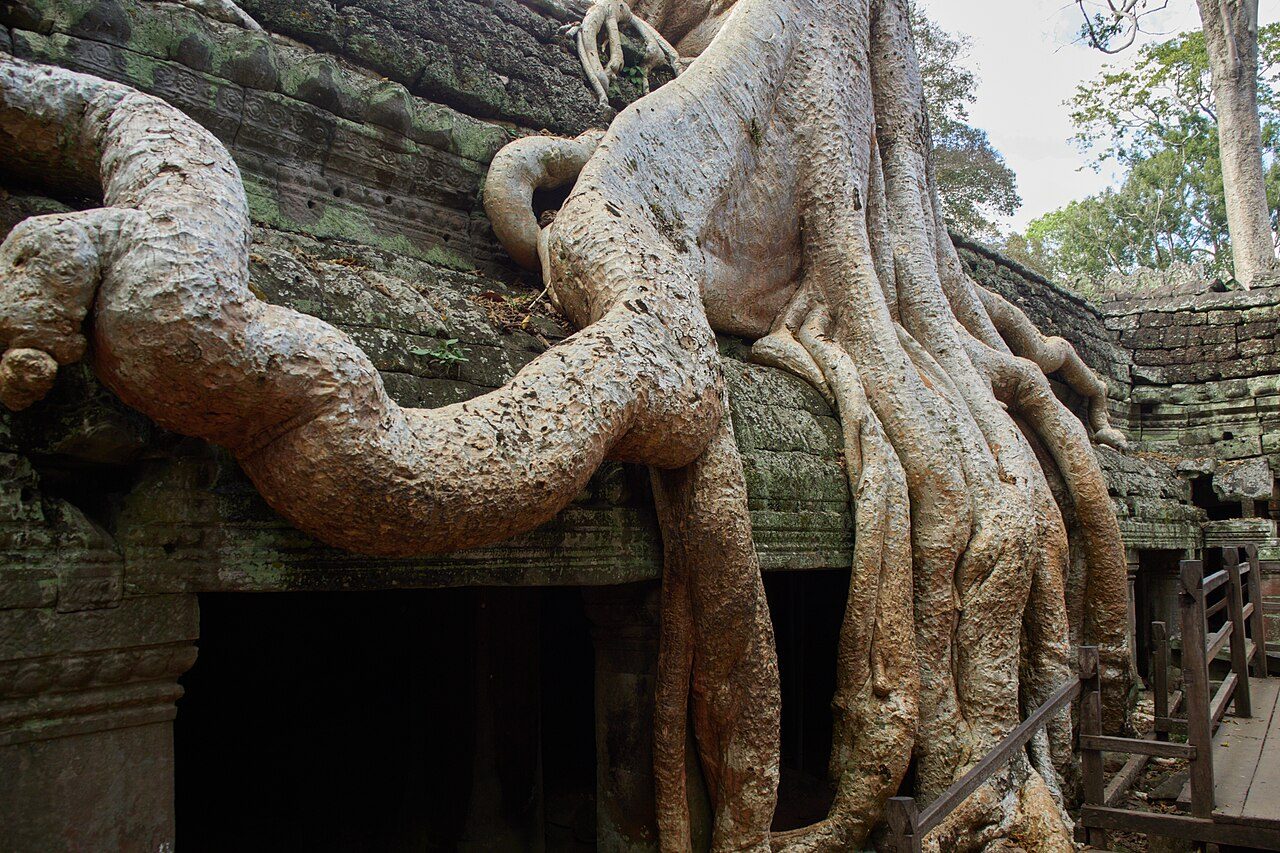
Ta Prohm
The jungle temple where giant tree roots grip the ancient stone walls, left in a state of romantic ruin.
Where to Stay in Siem Reap
| Area | Best For | Avg. Price/Night |
|---|---|---|
| Pub Street / Old Market | Nightlife, restaurants and walking to everything | $15–$90 |
| Wat Bo / Sala Kamreuk | Quiet streets, boutique hotels and good restaurants | $30–$150 |
| Riverside / Kandal Village | Cafes, boutiques and relaxed evenings | $25–$120 |
| Along Charles de Gaulle Road | Resorts and big pools close to the temples | $60–$300 |
| Wat Damnak | Quiet residential area with small hotels and good restaurants | $25–$100 |
What to Eat in Siem Reap

Fish Amok
Cambodia's national dish: a mild, fragrant fish curry steamed in banana leaf with coconut milk and kroeung paste.

Beef Lok Lak
Stir-fried marinated beef cubes served with lime and pepper dipping sauce, salad and rice.
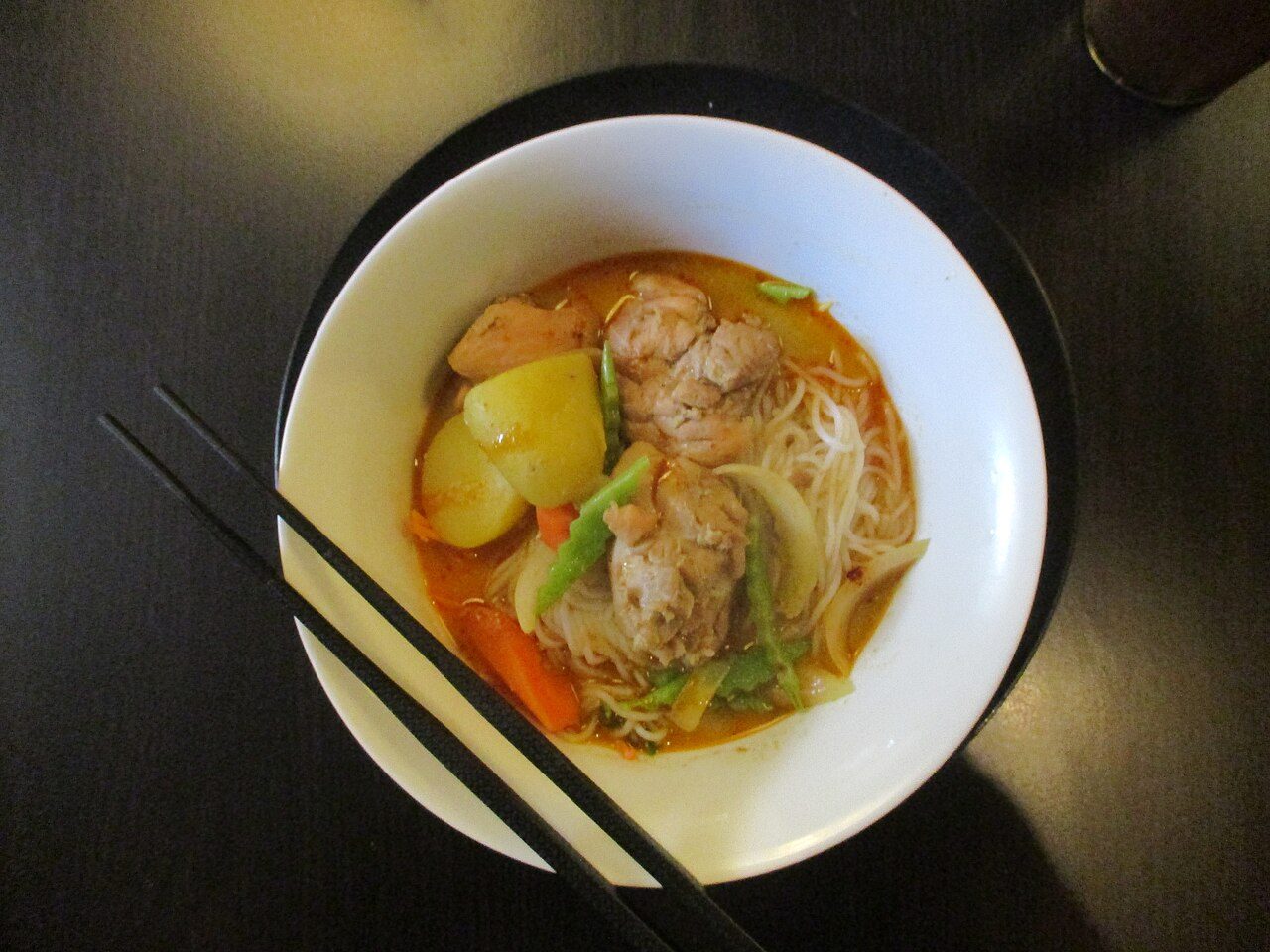
Nom Banh Chok
Fresh rice noodles in a green fish-based curry with herbs, the traditional Khmer breakfast.
Eat where the Khmer locals eat, usually small open-air restaurants and market stalls that are busy at breakfast and lunch. Menus with pictures and prices are common and make ordering easy, and meals rarely cost more than a few dollars.
Travel Budget
| Travel Style | Daily Budget | What's Included |
|---|---|---|
| Backpacker | $30–$45 | Hostel dorm, street food, a shared tuk-tuk and an Angkor Pass |
| Mid-Range | $80–$150 | Boutique hotel with a pool, restaurant meals, a guide and temple tours |
| Luxury | $250+ | A resort, fine dining, private guides, hot air balloon or helicopter tours |
The Angkor Pass is the biggest single cost. Three days is the best value for most visitors, and you can use the days over a longer period. Share a tuk-tuk with other travelers, and avoid the expensive guides at the gate by hiring one in advance.