Angkor Wat: The World's Largest Religious Monument
How to visit Angkor Wat, from the sunrise view and the bas-relief galleries to the upper level, with tips on the Angkor Pass, dress code, crowds and the best times to go.
Angkor Wat: The Jewel of the Khmer Empire
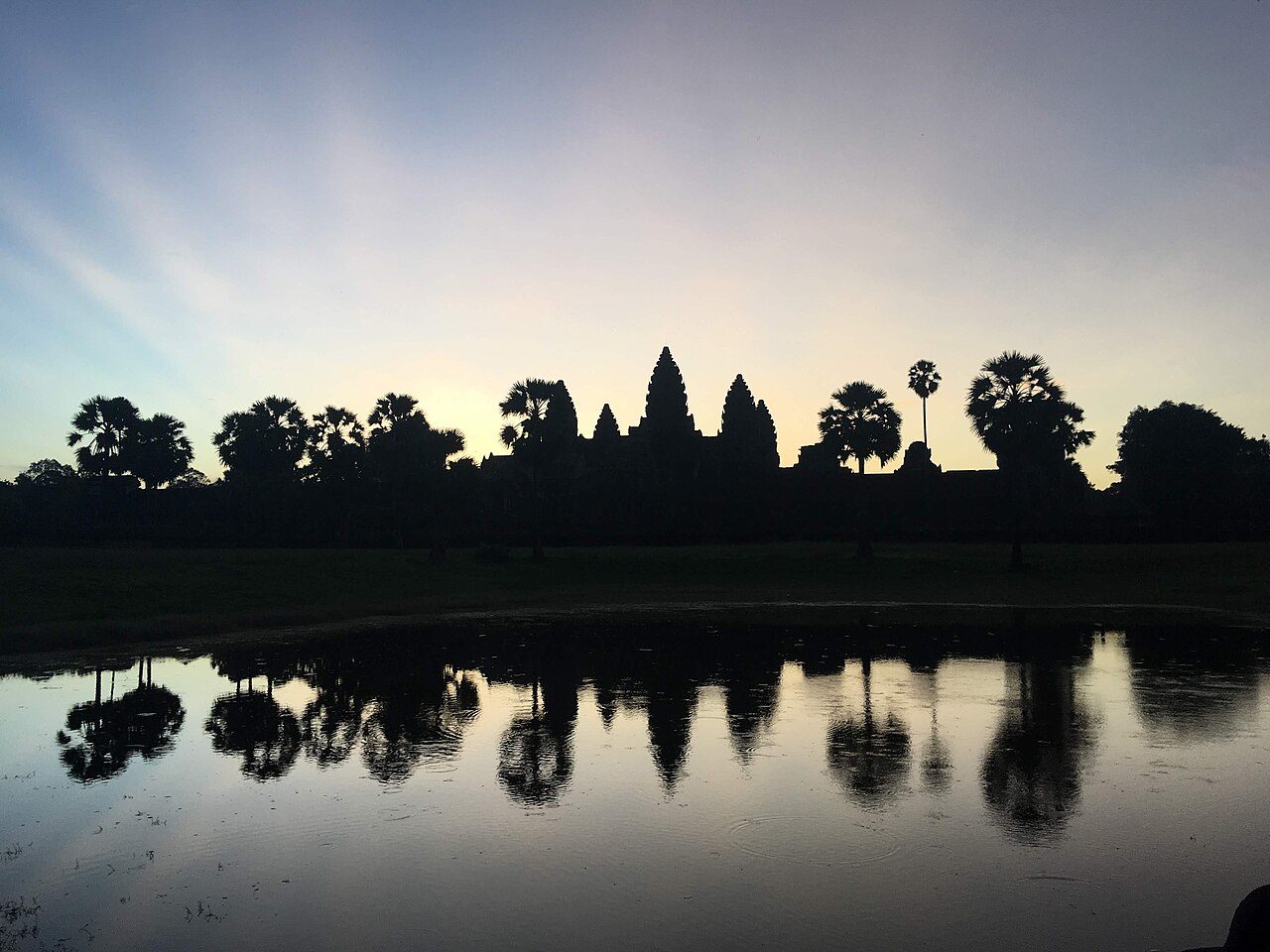
Angkor Wat is the largest religious monument in the world, covering about 162 hectares, and the best preserved of the great temples of the Khmer Empire. King Suryavarman II built it in the first half of the 12th century as a Hindu temple dedicated to Vishnu, and it was later converted to Buddhism, which it remains today. Unlike most Angkor temples, it faces west, and it has been in continuous use for nearly nine hundred years. It is a UNESCO World Heritage Site and the most visited attraction in Cambodia, and its silhouette appears on the national flag.
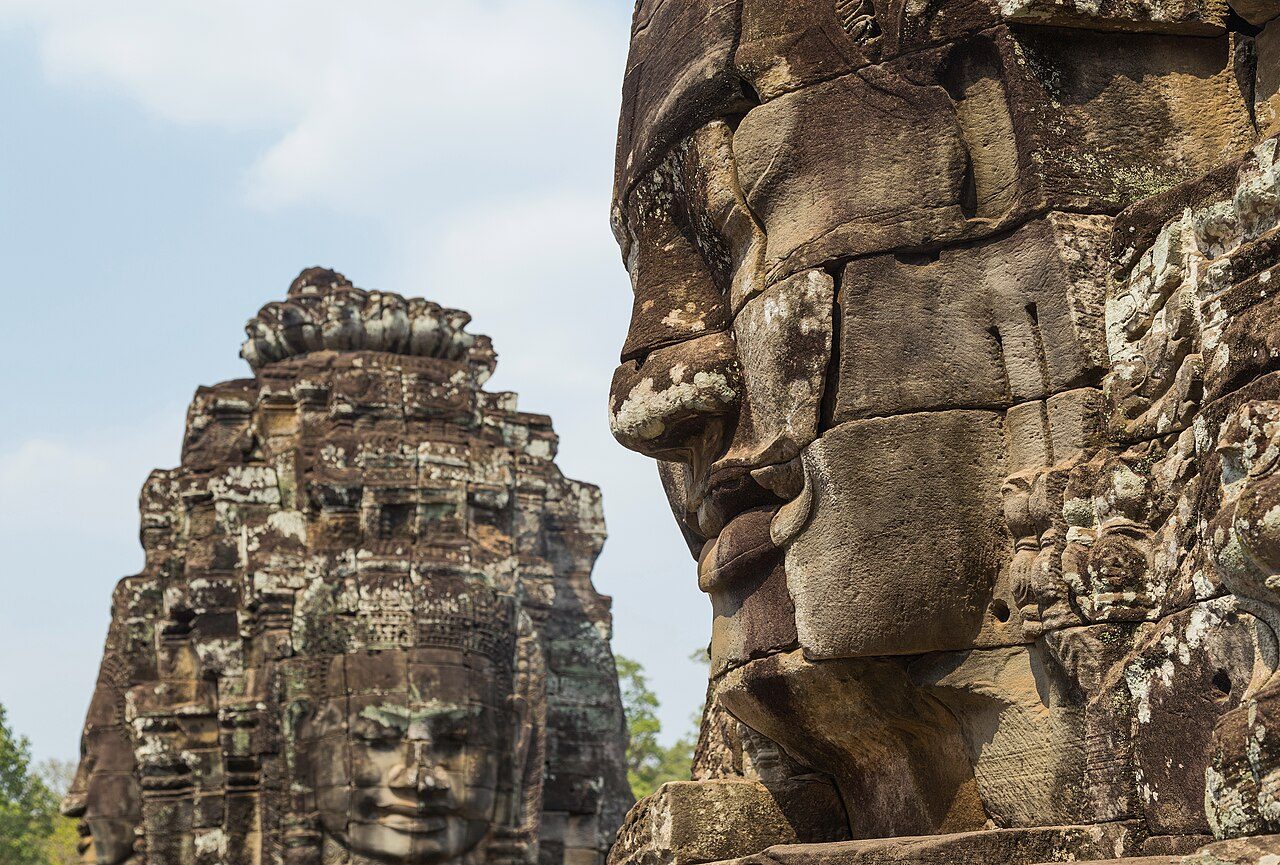
The temple is designed as a representation of Mount Meru, the home of the gods in Hindu cosmology. Its central structure consists of three rectangular galleries, rising one above the other, topped by five towers shaped like lotus buds, the tallest rising 65 meters above the ground. A moat 190 meters wide surrounds the complex, and a causeway leads across it to the main entrance. The carvings are the highlight: the walls of the lower gallery are covered with the longest continuous bas-relief in the world, depicting scenes from Hindu epics and the battles and processions of the king, and more than 1,800 celestial dancers, known as apsaras, are carved into the walls.
Visiting Angkor Wat
| Detail | Info |
|---|---|
| Best Time to Visit | Sunrise for the iconic view, or late afternoon when the western facade is lit in golden light and the crowds have thinned |
| Cost | Included in the Angkor Pass: roughly $37 for one day, $62 for three days and $72 for seven days |
| Opening Hours | From 5 a.m. until about 5:30 p.m. daily |
| How Long | Allow two to three hours, and more if you want to study the bas-reliefs |
Making the Most of the Visit
Sunrise is the classic experience, and for good reason, but it is also the most crowded. Arrive around 5 a.m. to find a spot by the reflecting pond in front of the temple, since by the time the sun rises, hundreds of visitors will be there. If the crowds put you off, visit in the afternoon, when the light on the western side is warm and the temple is much quieter, or visit on the second day for a less hurried look at the carvings. The bas-relief galleries are best seen in the morning, when the sun lights the western wall.
The upper level, called the Bakan, is open to visitors in limited numbers, with timed tickets and a strict dress code, but the climb up the steep stone steps is rewarded with views over the temple and the surrounding forest. Check the opening hours and the current rules at the entrance. Modest dress is required throughout the temple, with shoulders and knees covered, and staff may refuse entry to those in shorts or sleeveless tops. Carry water, a hat and sunscreen, and avoid touching the carvings. Respect monks and worshippers, and avoid pointing your feet toward Buddha statues.
Book a tuk-tuk driver the evening before, leave your hotel around 4:30 a.m., bring a flashlight and a scarf, and head to the left (north) side of the pond for a quieter view. Have breakfast at a stall in front of the temple after the sunrise rush.