The Spice Bazaar and Eminönü, Istanbul's Waterfront Trading Hub
Mountains of loose spices, a mosque-funding market since 1660, and the busy harbor district built around it.

The Spice Bazaar, also known as the Egyptian Bazaar or Mısır Çarşısı in Turkish, sits in the busy Eminönü district at the southern end of the Galata Bridge, and it remains one of the most atmospheric and sensory-overloaded shopping experiences in Istanbul — mountains of loose spices in every color, dried fruits, nuts, Turkish delight, and traditional sweets packed into a compact, L-shaped covered market that's been in continuous operation since the 17th century. Smaller and more manageable than the sprawling Grand Bazaar, the Spice Bazaar offers a concentrated dose of Istanbul's trading history in a fraction of the time and space.
The market was built in 1660 as part of the New Mosque complex, its construction initiated decades earlier by Safiye Sultan, mother of Sultan Mehmed III, in 1597 and finally completed under Turhan Sultan in 1664. Rental revenue from its shops was specifically designed to fund the upkeep of the adjoining New Mosque, a financial arrangement typical of major Ottoman religious foundations, which frequently paired grand imperial mosques with attached commercial markets to generate the income needed to sustain them over the long term.
The bazaar takes its most common English name, the Egyptian Bazaar, from the fact that many of its original goods — spices, herbs, and dyes in particular — arrived in Istanbul via Egypt as part of the wider spice trade route connecting the Silk Road to Ottoman Constantinople. From the 18th century onward, as its stock diversified, it became more commonly known simply as the Spice Bazaar, the name that has stuck internationally ever since, even as the market's roughly 80 to 113 shops now sell considerably more than spices alone, including textiles, jewelry, and souvenirs.
| Time | Atmosphere | Best For |
|---|---|---|
| Morning | Relatively calm, vendors setting up | Browsing without heavy crowds |
| Midday | Busiest, packed with tourists and locals | People-watching and the full sensory experience |
| Late afternoon | Still lively but slightly thinner crowds | Serious shopping and price comparisons |
| Evening | Market closed, surrounding Eminönü still busy | Waterfront walks and Galata Bridge views instead |
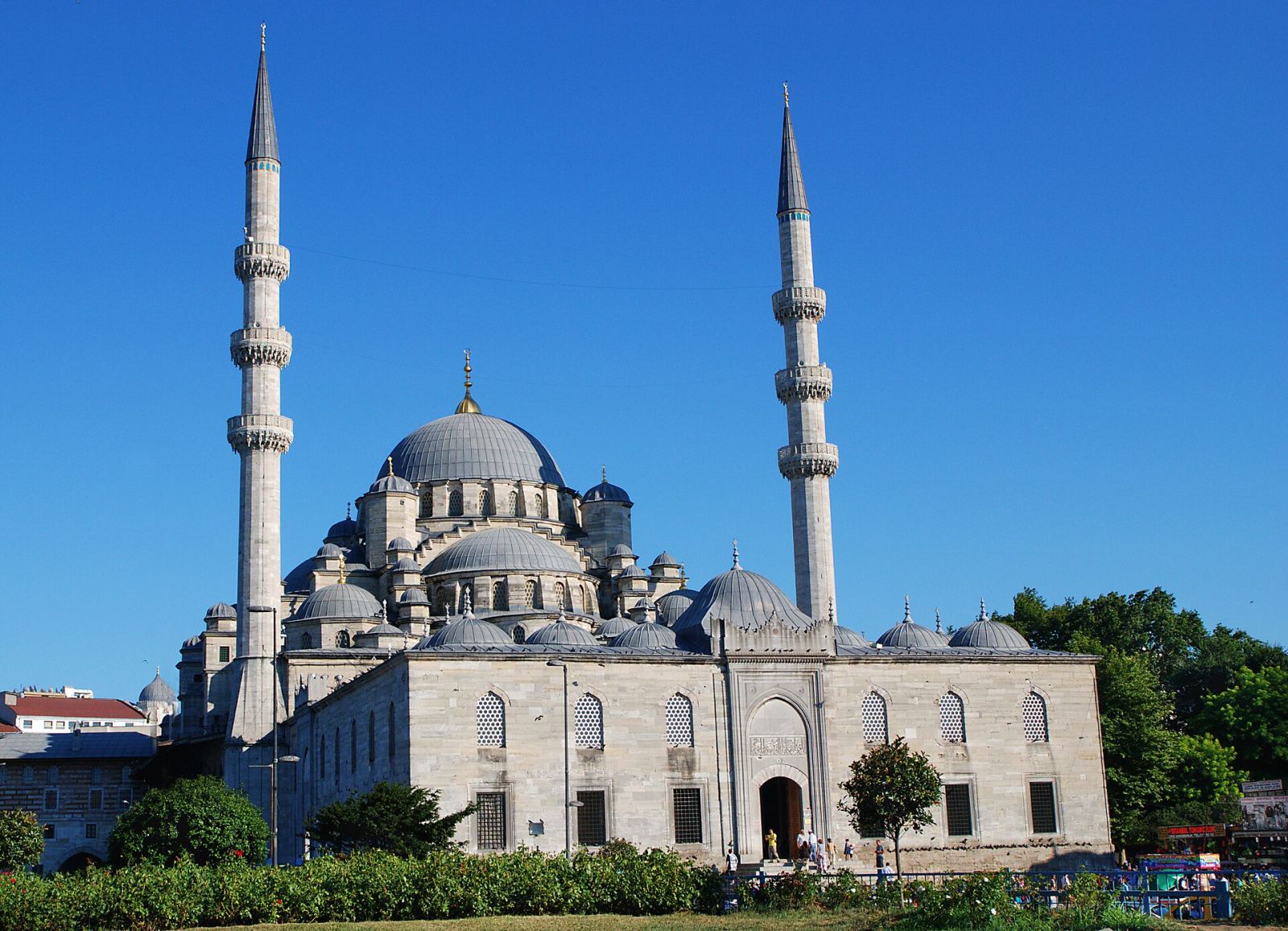
The New Mosque itself, officially Yeni Camii, is worth visiting alongside the bazaar rather than treating the two as separate stops — its expansive courtyard and richly decorated interior, completed in the same era as the market beside it, represent one of the last great imperial mosque complexes built in central Istanbul, and its position directly at the water's edge in Eminönü makes it one of the most recognizable silhouettes on the historic peninsula's skyline when viewed from across the Golden Horn or the Bosphorus.
Prices at the Spice Bazaar are rarely fixed, and polite negotiation is a normal, expected part of shopping here, particularly for larger purchases of spices, tea, or Turkish delight. Comparing a few stalls before committing to a purchase is a reasonable and common practice, not considered rude.
Eminönü's wider waterfront, just outside the bazaar itself, is one of the most consistently lively parts of the historic peninsula, home to the famous floating fish sandwich boats moored along the Golden Horn, ferry terminals connecting to both the Asian side and up the Bosphorus, and constant foot traffic between the Galata Bridge and the surrounding markets. It's a genuinely good spot to simply stand and watch the city's maritime rhythm play out, even without buying anything at all.
Rüstem Pasha Mosque, a short walk from the Spice Bazaar and considerably less crowded than the New Mosque, houses some of the finest İznik tile work found anywhere in Istanbul, covering its interior walls in dense, intricate floral patterns that reward a slower, quieter visit than the bazaar's busy main hall allows for. Its comparatively hidden entrance, tucked above street-level shops, means it draws only a fraction of the foot traffic of the more famous mosques nearby, making it a genuinely peaceful stop for anyone willing to seek it out.
Eminönü is a major transit hub, easily reached by tram, ferry, or a short walk across the Galata Bridge from Karaköy, making the Spice Bazaar one of the most straightforward major attractions in Istanbul to fold into a broader day of sightseeing without requiring a dedicated taxi ride or lengthy detour.
Turkish delight, dried apricots, figs, and pistachios line entire stretches of the bazaar's shops, often stacked in elaborate displays specifically designed to catch a shopper's eye, and vendors frequently offer small free samples to passersby as a normal part of the sales pitch — a genuinely enjoyable, low-pressure way to taste your way through the market before committing to any particular purchase or stall.
Herbal remedies and traditional Ottoman-era medicinal ingredients are still sold at several stalls throughout the bazaar, a genuine continuity with the market's original function as a center for both culinary and medicinal trade, reflecting a period when spices and herbs were valued as much for their believed health properties as for flavor alone.
Cheese and olive vendors occupy a genuine niche within the bazaar as well, less photographed than the pyramids of colorful spices but equally reflective of the market's original role supplying Istanbul's kitchens, and worth seeking out for anyone assembling a picnic or simply curious about the fuller range of goods traded here beyond the obvious tourist favorites. Several of these specialty vendors have operated from the exact same stalls for multiple generations, passing the family business down through direct inheritance over decades of continuous, uninterrupted trade.