Canggu: Bali's Surf, Cafe and Digital-Nomad Hub
Explore Canggu's black-sand beaches, surf breaks and cafe culture, from Batu Bolong and Echo Beach to Berawa's beach clubs and the rice fields of Pererenan.

Canggu is the part of Bali that never quite makes up its mind whether it is a farming village, a surf town or a global start-up hub, and that mixture is exactly its appeal. A decade ago it was a scattering of rice fields and surf shacks north of Seminyak. Today it is a sprawl of cafes, co-working spaces, yoga studios, beach clubs and boutique villas, with a young, international crowd that stays for weeks or months rather than days. It is more relaxed than Seminyak and more energetic than Ubud, and it suits travelers who want a social, active stay.
Canggu is not one place but a string of beach areas joined by lanes and rice paddies. Batu Bolong is the busiest, centered on Jalan Pantai Batu Bolong, a short, crowded street running from the main road to the beach and packed with cafes, surf shops and guesthouses. North of it, Echo Beach is the surfers' favorite and the best place to watch the sunset. To the south, Berawa is more upmarket, with large beach clubs, restaurants and villas. Pererenan, further north, is quieter and greener, a good choice if you want rice-field views and fewer crowds.
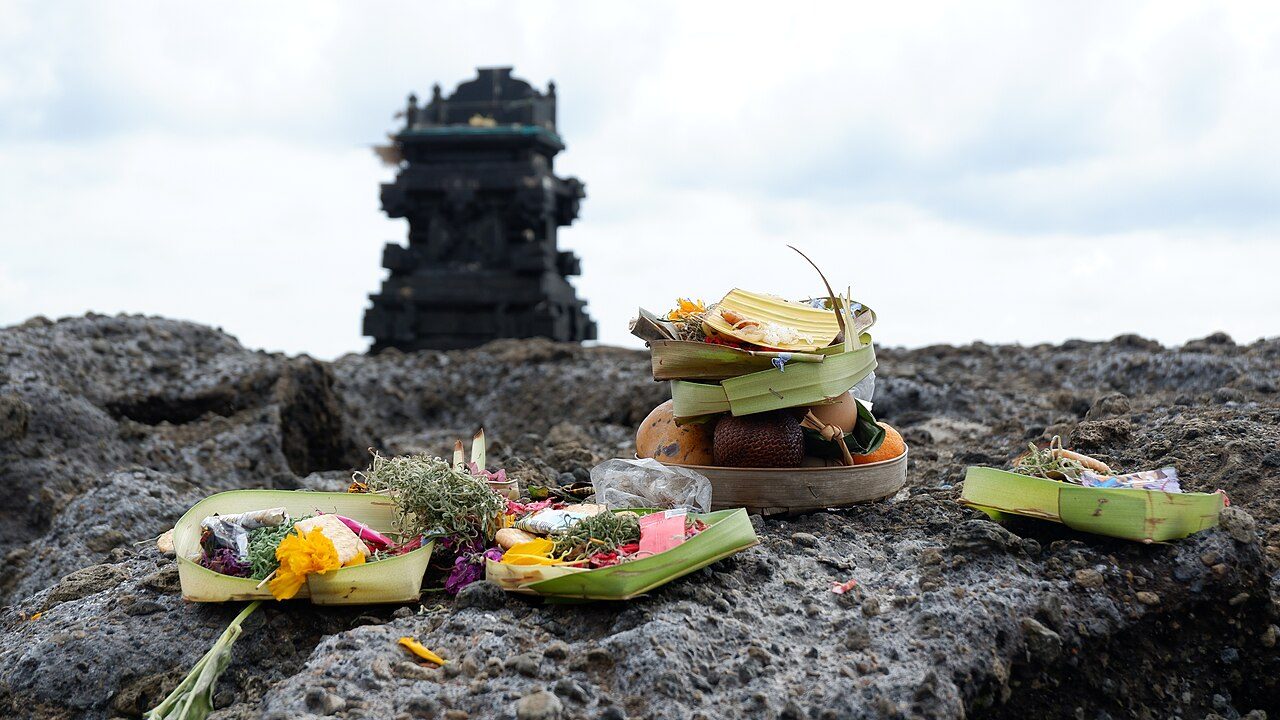
The beaches here are wide and dark, with volcanic sand and strong waves. Batu Bolong has a gentle break that suits beginners, and surf schools line the sand offering lessons and board hire, while Echo Beach and Old Man's attract more experienced surfers. Swimming is risky because of rip currents, and the lifeguards' flags are there for a reason. A small Hindu sea temple, Pura Batu Bolong, sits on a rock at the end of Batu Bolong beach, and people often gather nearby to watch the sunset. Sunset is the reliable daily event, and the beach fills with scooters, beanbags and people watching the sky.
Food and coffee are where Canggu has made its name. The cafes are inventive and often very good, with smoothie bowls, sourdough, specialty coffee and brunch served all day, and the evening restaurants range from simple warung to serious modern kitchens. A plate of local food at a family-run warung is still cheap, and the contrast with the polished brunch places is part of the area's charm. For something local and filling, try <a href="/guide/nasi-campur-bali-guide/">nasi campur</a>, the mixed rice plate that almost every warung serves.
| Area | Best For |
|---|---|
| Batu Bolong | Surf lessons, cafes and the liveliest street, busy and noisy |
| Echo Beach | Sunset, experienced surfers and beachfront bars |
| Berawa | Beach clubs, upscale restaurants and villas |
| Pererenan | Quieter stays, rice fields and slower mornings |
Canggu is about 40 to 90 minutes from Ngurah Rai airport by car, depending on traffic, and the roads between Canggu, Seminyak and Tanah Lot are often congested, particularly in the late afternoon. Most visitors rent a scooter or use Grab and Gojek, and there is no public transit. If you are not an experienced rider, a driver is safer.
Canggu is also a working place. It is one of the world's best-known destinations for remote workers and entrepreneurs, with dozens of co-working spaces, fast internet in most cafes and a steady calendar of meetups, yoga classes and fitness studios. Many visitors combine a few hours of work with an afternoon surf, and the atmosphere is casual, with sandals everywhere. If you plan to work from Canggu, test the internet speed before booking a long stay and choose accommodation near the area where you will spend most of your time, since traffic makes crossing the district slow.
A day trip from Canggu is easy. Tanah Lot, the famous sea temple, is about 20 to 40 minutes away by road and is best at sunset, though it is crowded. The rice-field villages inland, such as Munggu and Kedungu, offer a quieter countryside, and our guide to <a href="/guide/bali-temples-etiquette-guide/">temple etiquette in Bali</a> is worth reading before you go. Surf, yoga and a long breakfast are what fill most days in Canggu itself.
Practical advice makes a visit smoother. Traffic is Canggu's biggest problem, and the lanes are narrow, so avoid driving at the end of the afternoon. Be careful on scooters, since accidents are common and travel insurance may not cover you without a valid license. Take cash for small warung, although cards are widely accepted in cafes. The nightlife is casual, with beach bars and live music rather than the big clubs of Seminyak. Dress for the heat and carry sunscreen, since the sun is strong even on cloudy days.
Canggu suits surfers, remote workers, couples and groups of friends who want an active, social stay. It suits families with young children less well, since the roads are busy and the surf is strong, and travelers who want traditional Bali or quiet temples will be happier in Ubud. Our guide to <a href="/guide/ubud-vs-canggu-vs-seminyak-where-to-stay-in-bali/">where to stay in Bali</a> compares the main bases, and our <a href="/guide/bali-on-35-dollars-a-day/">Bali on $35 a day</a> guide shows how far a modest budget goes here.
Where you sleep in Canggu shapes the stay more than almost anywhere in Bali. Villas with a private pool are the dominant style, ranging from simple two-bedroom houses to design-led compounds, and they are good value for groups that split the cost. Guesthouses and small hotels near Batu Bolong put you within a short walk of cafes and the sea but also within earshot of the street. Choosing Pererenan or the quieter lanes of Berawa trades a little convenience for sleep, rice-field views and lower noise. Read recent reviews for the specific street, check the distance to the beach and ask about the water pressure and the Wi-Fi before you book.
Canggu pairs well with the rest of the island. From here you can reach the Uluwatu Temple clifftops in about an hour, the Tegallalang rice terraces in about an hour and a half, and the beach clubs of the southwest coast in less than half an hour. For lodging, see our top 10 hotels in Bali.