Sanur: Bali's Calm Beach, Sunrise Promenade and Gateway to the Islands
Discover Sanur's sheltered beach, sunrise promenade, relaxed cafes and fast boats to Nusa Penida and Nusa Lembongan, on Bali's calmer east coast.

Sanur is Bali's quiet side. It sits on the southeast coast, a short drive from Denpasar and the airport, and it has a slower, gentler rhythm than the busy southwest. The beach is sheltered by a reef, so the water is calm and shallow, the sand is pale, and the sun rises over the sea rather than setting into it. It is a favorite with families, couples, retirees and long-stay visitors, and it is the departure point for fast boats to Nusa Penida and Nusa Lembongan. For many travelers, it is the easiest and most relaxed place to start or end a Bali trip.
Sanur is arranged along a few kilometers of coastline. A paved beachfront path, the Sanur promenade, runs the whole length of the beach, lined with cafes, small hotels and shops, and it is the best way to explore. Jalan Danau Tamblingan, the main road one block inland, is the restaurant and shopping street, with a mix of warung, cafes, bakeries and souvenir shops. The area is walkable, calm and relatively quiet at night, which makes it popular with older visitors and families with children.
The beach itself is the main attraction. A barrier reef offshore breaks the waves, so the water is gentle and good for paddling and for children, although at low tide it can be shallow and the sea retreats far from the shore. Colorful traditional outrigger boats, jukung, are pulled up on the sand, and fishermen and small boats come and go from the water. Sunrise is the best time to be here, when the beach is peaceful and the light is soft, and many visitors walk or jog along the promenade before the heat builds.
Sanur is also one of the best places in Bali to take a boat to the nearby islands. Fast boats leave from the beach for Nusa Penida and Nusa Lembongan, with crossings of around 30 to 45 minutes, and many visitors take a day trip or stay overnight. The sea can be rough, so check conditions and choose a reputable operator. There is also a long tradition of watersports here, including snorkeling, paddleboarding, kayaking and, on windy days, kitesurfing, and equipment is available for hire along the beach.
| Activity | Notes |
|---|---|
| Sunrise walk | The promenade at dawn is cool, quiet and photogenic |
| Swimming and paddling | Calm, reef-protected water, but shallow at low tide |
| Boat trips | Fast boats to Nusa Penida and Nusa Lembongan leave from the beach |
| Cafes and dining | Relaxed restaurants along the promenade and on Jalan Danau Tamblingan |
Sanur is about 20 to 40 minutes from Ngurah Rai airport by car, and is close to Denpasar. Grab, Gojek and taxis are available, and the area is flat and walkable. There is no public transit worth relying on, so most visitors walk or use a driver for longer trips.
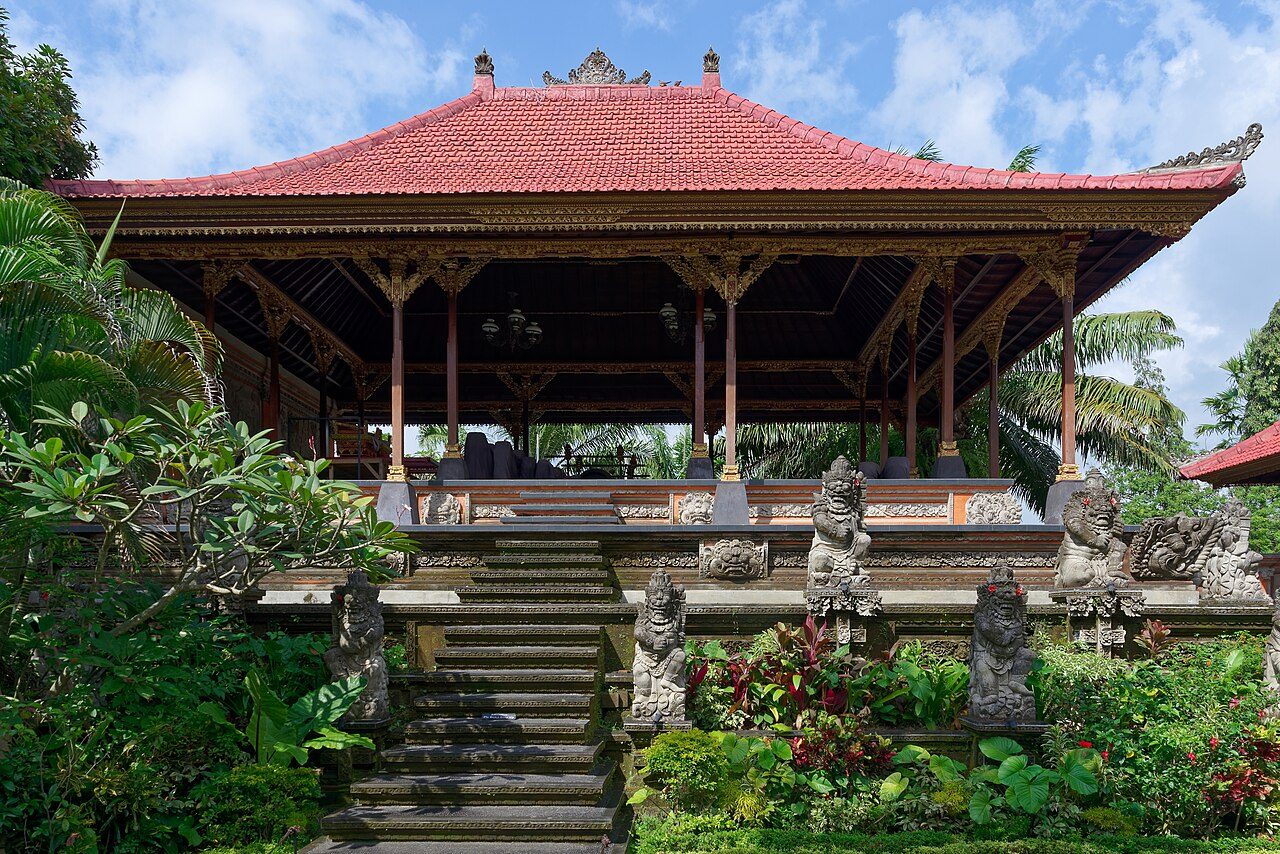
Culture is part of Sanur too. The Le Mayeur Museum, in the former home of the Belgian painter Adrien-Jean Le Mayeur, who settled here in the 1930s, sits close to the beach and shows his paintings in the house where he lived with his Balinese wife. The old village behind the beach has temples and traditional compounds, and the area hosts a lively calendar of local ceremonies. The Sanur Village Festival, held each year, brings kite flying, music and food to the beachfront. It is worth checking whether a festival or temple ceremony is on during your stay.
Eating in Sanur is easy and relaxed. The restaurants along the promenade serve everything from simple grilled fish and Indonesian dishes to Western breakfasts, and the evening food stalls near the beach, including the Sindhu night market, are good for cheap local food. For fresh seafood on the beach, <a href="/guide/jimbaran-seafood-guide/">Jimbaran</a> is a short drive away, and our guide to <a href="/guide/nasi-campur-bali-guide/">nasi campur</a> explains the standard local lunch.
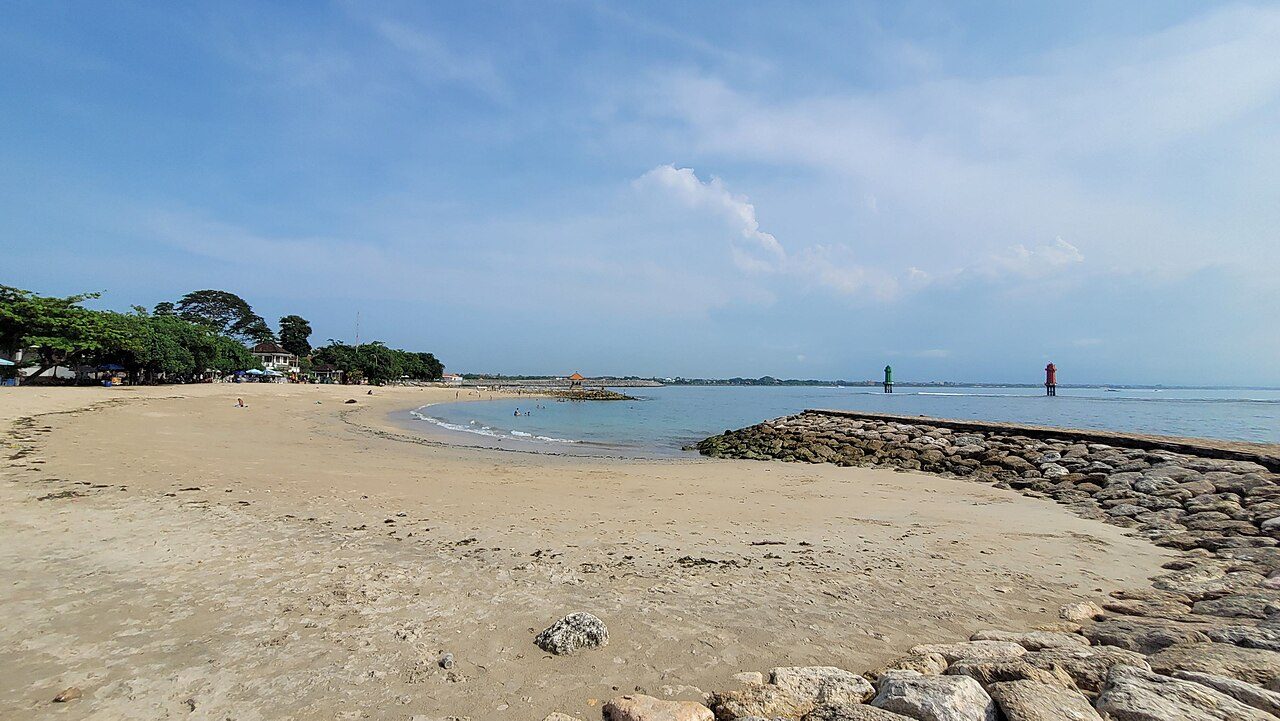
Practical advice helps. Sanur is flatter and calmer than other Bali bases, but the sun is strong, so carry water, wear a hat and apply sunscreen. The tide changes the beach a lot: at low tide, the water retreats and the beach becomes a flat expanse, so check tide times if you plan to swim. Many beachfront cafes are casual and cash is useful. The area is relatively safe, although as everywhere in Bali, keep valuables with you and be careful on scooters.
Sanur suits families, couples, retirees and travelers who want a quiet, easy stay with good access to the islands and the airport. It suits nightlife seekers less well, since evenings are calm, and travelers who want surf or the big beach clubs will prefer Canggu or Seminyak. Our guide to <a href="/guide/bali-on-35-dollars-a-day/">Bali on $35 a day</a> shows how to keep costs down, and our guide to <a href="/guide/ubud-vs-canggu-vs-seminyak-where-to-stay-in-bali/">where to stay in Bali</a> compares the other bases.
Sanur's place in Bali's tourism story is also worth knowing. It was one of the first parts of the island to welcome visitors, and the older hotels along the beach, including the high-rise Bali Beach hotel built in the 1960s, helped shape the rule that new buildings should not rise above the height of a coconut palm. That history is visible in the low, leafy skyline today, with gardens, small hotels and traditional compounds rather than towers. The result is a beachfront that still feels like a village, and a pace of life that suits slow mornings, a long breakfast and a swim before lunch.
For lodging ideas, see our top 10 hotels in Bali and our guide to budget hotels in Bali. For day trips from Sanur, the Ubud Monkey Forest and the Tegallalang rice terraces are about an hour away.