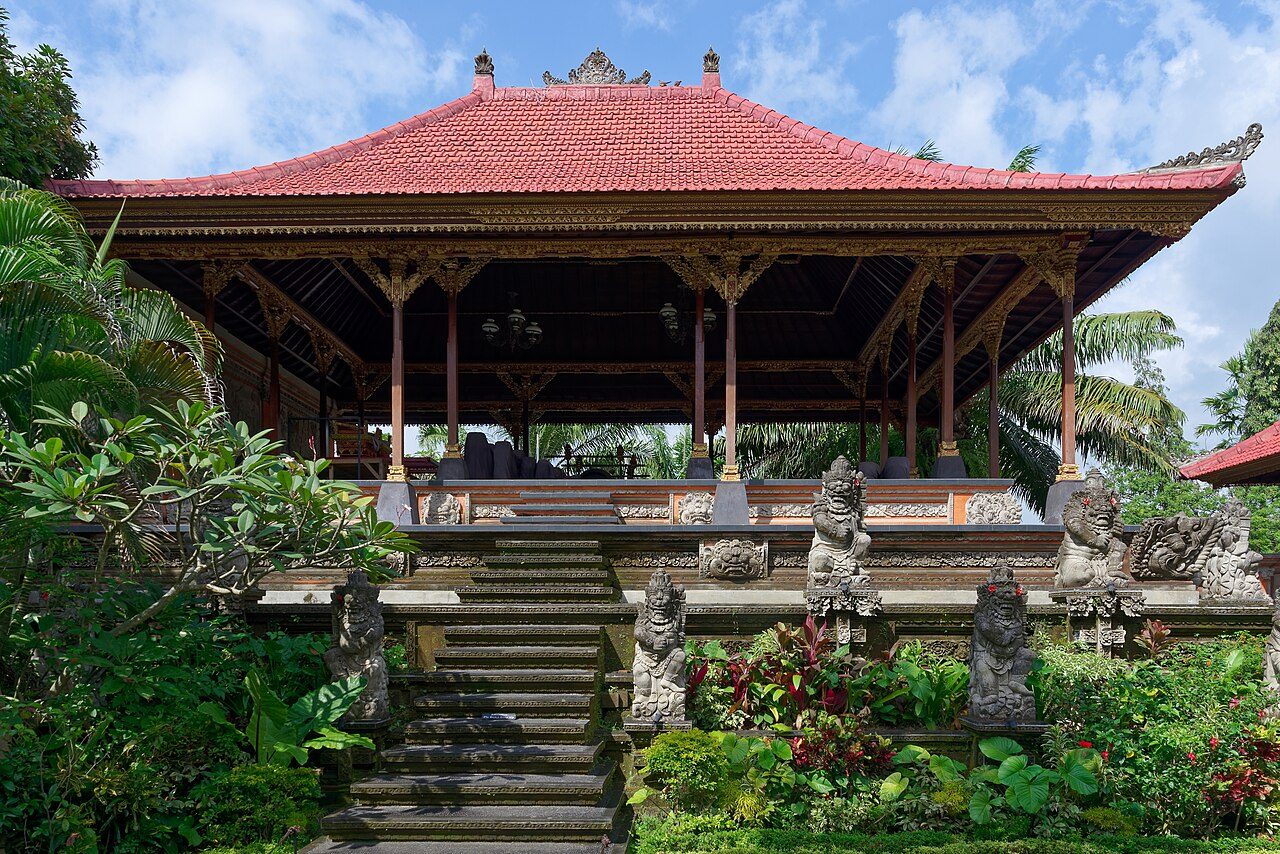
Seminyak: Bali's Boutique, Beach-Club and Dining District
Explore Seminyak's tree-lined streets of boutiques, restaurants and beach clubs, from Jalan Kayu Aya's Eat Street to the sunset sands of Petitenget and Double Six.

Seminyak is where Bali goes to shop, dine and watch the sun go down. It sits on the southwest coast between the busy sands of Legian and the surf villages of Canggu, and it has grown from a handful of villas and beach shacks into the island's most polished neighborhood, a grid of leafy lanes lined with boutiques, design stores, spa studios and some of the best restaurants in Southeast Asia. It is not the cheapest or the most traditional corner of Bali, but it is easily the most stylish, and for many visitors it is the place that makes the island feel like a holiday.
The area's character comes from a few streets. Jalan Kayu Aya, also called Jalan Oberoi and nicknamed Eat Street, is the restaurant spine, running from the beach inland past cocktail bars, wood-fired pizza places and fine-dining rooms. Jalan Petitenget, to the north, is quieter and more upscale, with the larger beach clubs and the boutique hotels. Jalan Raya Seminyak is the main shopping road, where small designers and resort-wear labels sit beside homeware shops and a few older Balinese galleries. Behind them, a web of narrow gang (lanes) hides villas, yoga studios and warung that locals still use.
The beach is wide, flat and open, a long stretch of dark-golden sand that runs from Double Six in the south to Petitenget in the north. The surf is strong and the currents can be treacherous, so it is better for walking and sunsets than for swimming, and the red flags the lifeguards put out are worth taking seriously. What the beach does very well is the sunset. By late afternoon the sand fills with beanbags and umbrellas, the beach clubs turn up the music, and the western sky goes orange and pink. You do not need to buy anything to watch from the sand, but a table and a drink at one of the clubs is part of the experience.
Seminyak is, above all, a place to eat. A short walk can take you from a classic Indonesian rijsttafel to Mexican, Japanese, Italian and modern Australian cooking, and the standard is high. Booking ahead matters for the best-known tables at weekends and in July, August and December. If you want something simpler, the warung and night food stalls just off the main roads still serve nasi campur, satay and grilled fish for a few dollars, and the contrast between a long tasting dinner and a plate of fried rice on a plastic stool is part of what makes the area interesting. Our guide to <a href="/guide/nasi-campur-bali-guide/">nasi campur</a> explains what to order.
| Time of Day | What Seminyak Is Like |
|---|---|
| Morning | Quiet streets, yoga studios and smoothie cafes, ideal for walking the beach and early shopping |
| Afternoon | Hot and slow, best for spa treatments, boutique browsing and a long lunch |
| Sunset | The main event, with beach clubs full and the sand crowded with spectators |
| Night | Restaurants, cocktail bars and clubs along Kayu Aya and Petitenget until late |
Seminyak is about 20 to 40 minutes from Ngurah Rai airport by car, depending on traffic, which can be heavy in the late afternoon. There is no metro or train; visitors use Grab or Gojek rides, taxis and hired drivers, and walking between the main streets is practical in the cooler hours. Most villas and hotels can arrange a driver by the day.
Shopping is the second reason people come. Seminyak is known for resort wear, linen, swimwear, leather goods, jewelry and homeware, much of it made on the island by small workshops, and the boutiques on Jalan Kayu Aya and Jalan Raya Seminyak are among the best places in Bali to buy it. Prices are fixed in most of the shops, which makes it easier than the markets, but it also means you will pay more than in Ubud or Denpasar. Spend a little time looking at the finish and the labels, since quality varies, and ask whether a piece is made locally.
Away from the shops, there are quieter pleasures. Pura Petitenget, a small sea temple at the northern end of the beach, is a good place to see a Balinese ceremony from a respectful distance, and the temple's setting among palms and offerings is a reminder that the neighborhood is still a living village as well as a resort. Spa and wellness are also big here, with day spas offering Balinese massages, flower baths and facials at prices well below what the same treatments cost in Europe or North America. A relaxing massage after a morning of shopping is a Seminyak tradition.
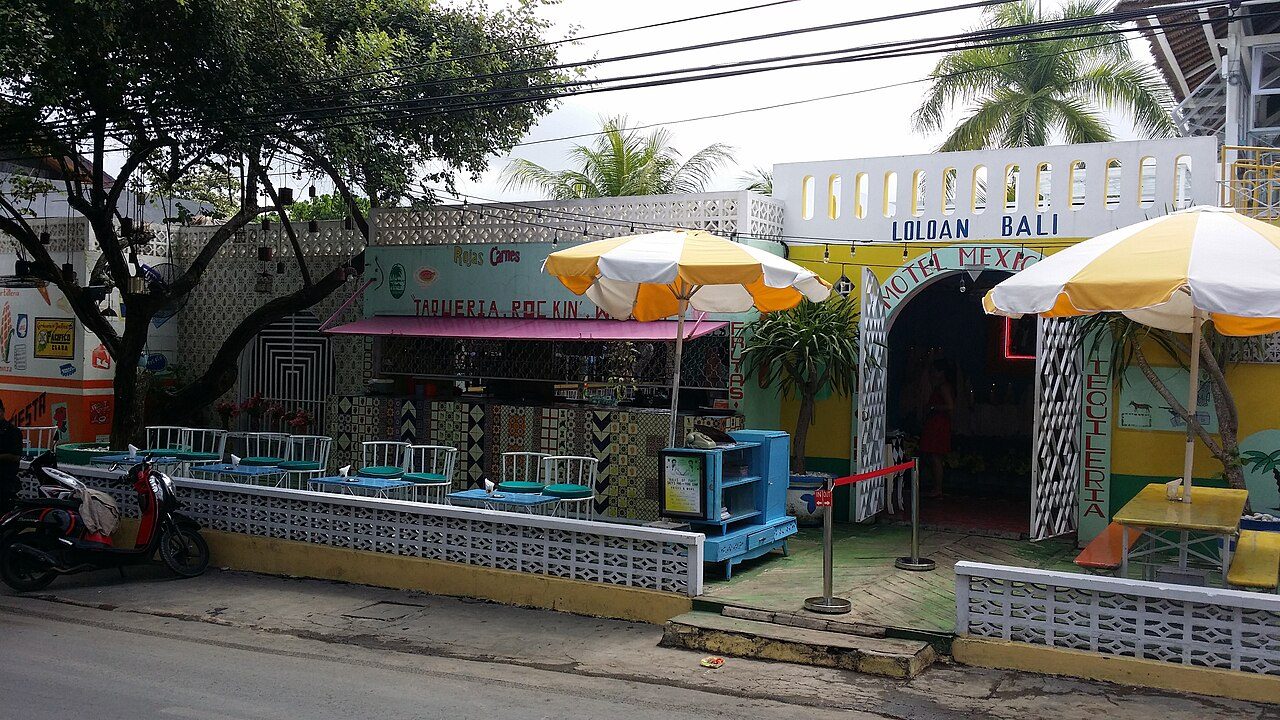
A few practical points help. Traffic is the main frustration: the roads were designed for a village and now carry cars, scooters and delivery bikes, so allow extra time for any trip at the end of the afternoon. Taxis and ride-hailing are cheap, but pick-up points are sometimes restricted outside hotels, so be ready to walk a short way. Seminyak is generally safe, but beach bags are occasionally taken from the sand, so keep valuables with you. Dress for the heat, carry a light scarf for temples and use reef-safe sunscreen.
Seminyak suits couples, groups of friends and anyone who wants good food, strong coffee and easy shopping within a few minutes' walk of the sand. It suits families less well, since the surf is rough, and travelers looking for traditional Bali will be happier in Ubud. If you cannot decide between the main bases, our guide to <a href="/guide/ubud-vs-canggu-vs-seminyak-where-to-stay-in-bali/">Ubud, Canggu and Seminyak</a> compares them side by side, and our list of <a href="/guide/best-beach-clubs-in-bali-for-sunset-drinks/">Bali's best beach clubs</a> has the sunset spots worth booking.
Seminyak makes an easy base for the rest of the island. It sits close to Jimbaran's seafood restaurants and the Uluwatu Temple clifftops, and a day trip to the Tegallalang rice terraces is straightforward with a driver. For lodging ideas, see our top 10 hotels in Bali and our guide to budget hotels in Bali.