Constitution Hill: From Apartheid Prison to Highest Court
Nelson Mandela was imprisoned here twice. Today it's the seat of South Africa's Constitutional Court, built directly on the old cells.
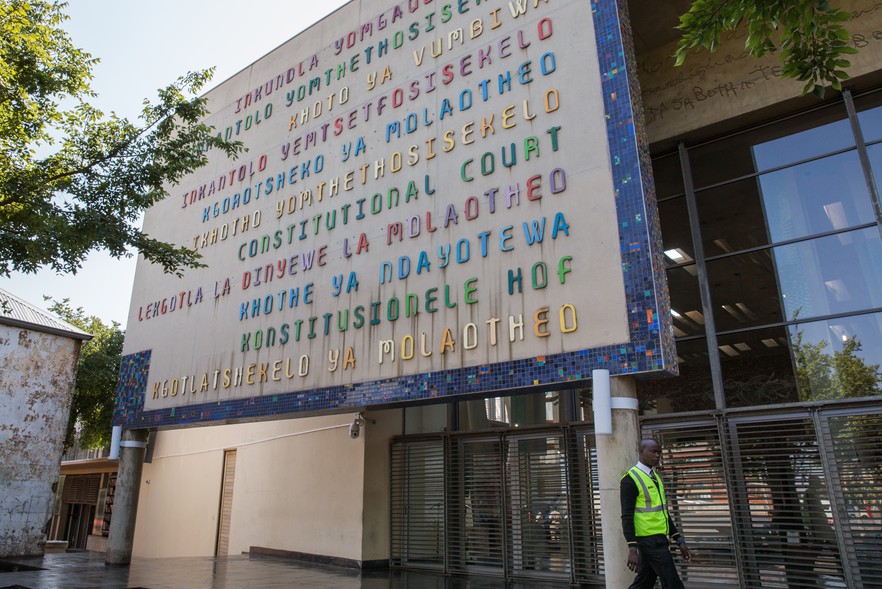
Constitution Hill occupies the site of one of Johannesburg's most notorious former prisons, and today it stands as one of the most powerful and genuinely moving heritage sites in South Africa, deliberately transforming a place built for repression into the physical seat of the country's Constitutional Court and a museum dedicated to human rights. Few places in the world so directly juxtapose a nation's darkest institutional history with its most hopeful democratic present, and that juxtaposition is precisely what makes a visit here so unusually affecting compared to a more conventional museum stop.
The site's history as a prison dates back to 1893, when President Paul Kruger established the Old Fort, expanded between 1896 and 1899 into a full fortification intended to defend the South African Republic against the threat of British invasion. The fort briefly served that military purpose before falling into British hands during the South African War in 1900, after which it settled into its long, grim function as Johannesburg's primary prison, eventually expanding to include separate sections for Black male prisoners, known simply as Section 4 and Section 5, and a dedicated Women's Gaol added in 1907.
The prison's list of former inmates reads like a roll call of South Africa's anti-apartheid struggle — Nelson Mandela himself was held here twice, first in 1956 while awaiting transfer to Pretoria for the Treason Trial, and again in 1962 following his arrest, while South African Communist Party leader Joe Slovo was also imprisoned here during the 1960 State of Emergency. The prison finally closed in 1983, and after years of disuse, the site reopened in 2004 as Constitution Hill, deliberately timed to coincide with a decade of South African democracy, with the new Constitutional Court building constructed directly on and incorporating parts of the former Awaiting Trial Block.
| Time | Atmosphere | Best For |
|---|---|---|
| Morning | Quiet, guided tours starting | A full guided tour of the Old Fort and prison sections |
| Midday | Busier with school groups and visitors | The Constitutional Court building and its public art collection |
| Afternoon | Calmer again, good light for the exterior | Photographing the multilingual court signage and Old Fort ramparts |
| Weekday | Court in session (when applicable), added atmosphere | Observing the working Constitutional Court, when public sessions align |
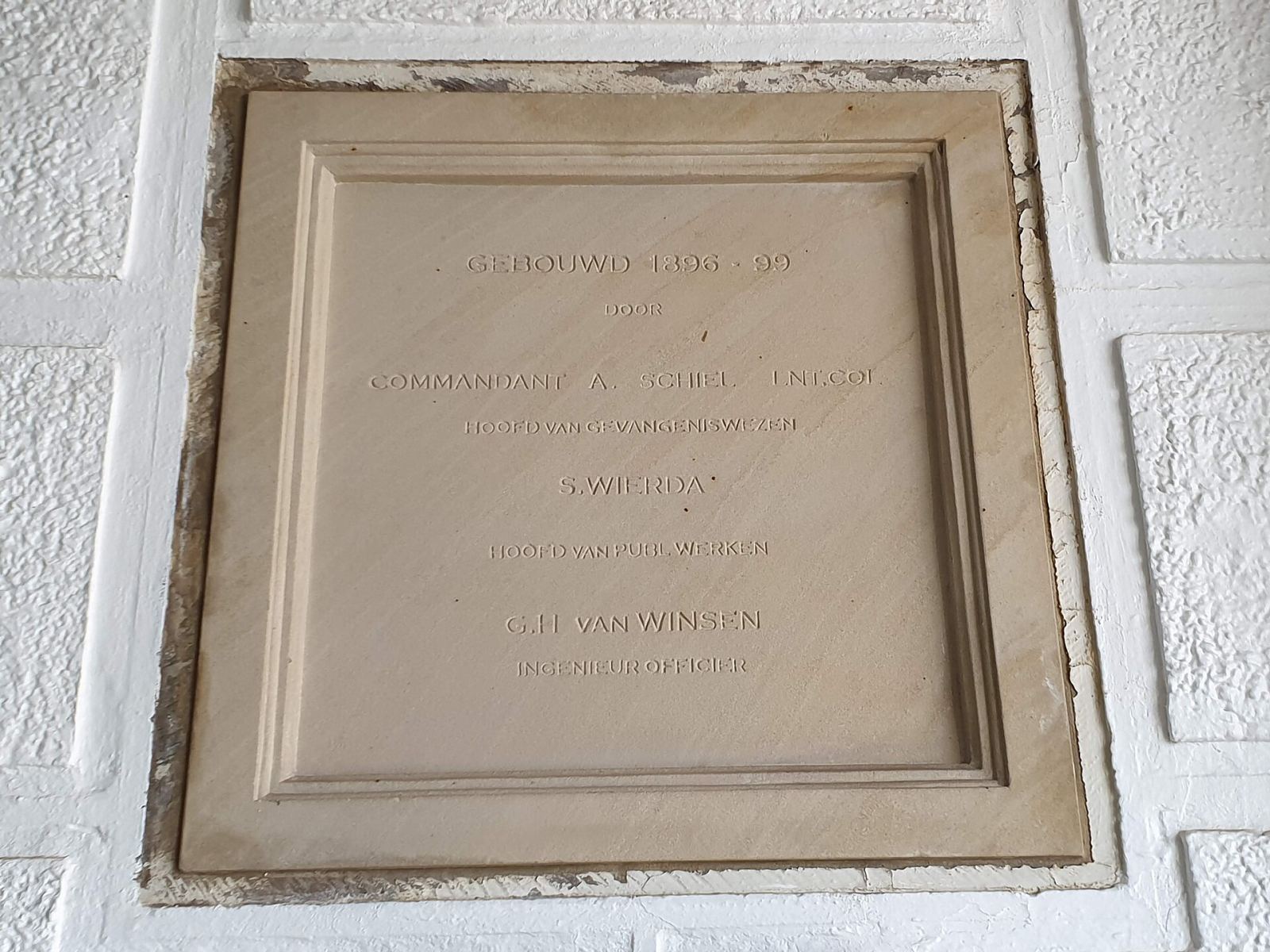
The Constitutional Court building itself is worth visiting independently of the historic prison sections, both for its role as the highest court in South Africa on matters of constitutional interpretation and for its genuinely striking design, which incorporates bricks salvaged from the demolished Awaiting Trial Block directly into its foyer walls. The building also houses an extensive public art collection, much of it addressing themes of justice, memory, and human rights directly, giving visitors a contemporary artistic layer to sit alongside the site's difficult historical core.
While self-guided exploration is possible, a guided tour at Constitution Hill adds substantial context to the prison sections, drawing on firsthand testimony and historical detail that's easy to miss walking through independently. Tours typically run at set times throughout the day and can be booked either in advance or on arrival.
Number Four, the section of the prison specifically used to hold Black male prisoners under particularly brutal conditions, remains one of the most difficult and important stops on the site, with preserved cells and exhibits that document daily prison life under apartheid in unflinching, specific detail. The Women's Gaol, similarly preserved, tells a related but distinct story, including the imprisonment of prominent anti-apartheid activists like Winnie Madikizela-Mandela, and together the two sections form the emotional core of a visit here.
Constitution Hill's location within walking distance of central Johannesburg, combined with its status as a genuinely active government institution rather than a purely historical site, gives it a different character from many other apartheid-era heritage sites in the country — this is a place where South Africa's difficult past and its functioning constitutional democracy sit within the same walls, and that ongoing relevance is part of what makes the visit feel considerably more alive than a typical museum stop.
Constitution Hill is centrally located and easily reached by rideshare from most parts of Johannesburg, with parking available on-site for visitors driving themselves. Most visitors spend two to three hours on a full tour covering both the historic prison sections and the Constitutional Court building, though a more focused visit to just one or the other can be completed in considerably less time.
Guided walking tours led by former political prisoners have occasionally been offered at Constitution Hill, adding a genuinely first-hand dimension to the site's history that goes well beyond what any exhibit panel or standard docent tour could convey, and checking current tour offerings before a visit is worth doing for anyone hoping for that specific kind of testimony-based experience.
The Old Fort's original ramparts, built to defend against a British invasion that never actually materialized at this specific site, remain partially intact and accessible to visitors, offering a physical reminder of the complex's original military purpose before it was repurposed almost entirely toward incarceration and, much later, toward justice and remembrance. Walking the ramparts themselves also offers a genuinely good vantage point over the surrounding inner-city skyline and neighboring Braamfontein district.
Constitution Hill also hosts regular public programming beyond its standing exhibits, including talks, film screenings, and community events tied to its ongoing human rights mission, meaning the site's calendar is worth checking ahead of a visit for anyone hoping to combine the standard tour with a live event or discussion happening on the same day, since these programs vary considerably week to week.