Melville and 7th Street: Johannesburg's Bohemian Neighborhood
Dive bars, secondhand bookshops, and the university-adjacent strip that's stayed unpolished while the rest of the city built malls.

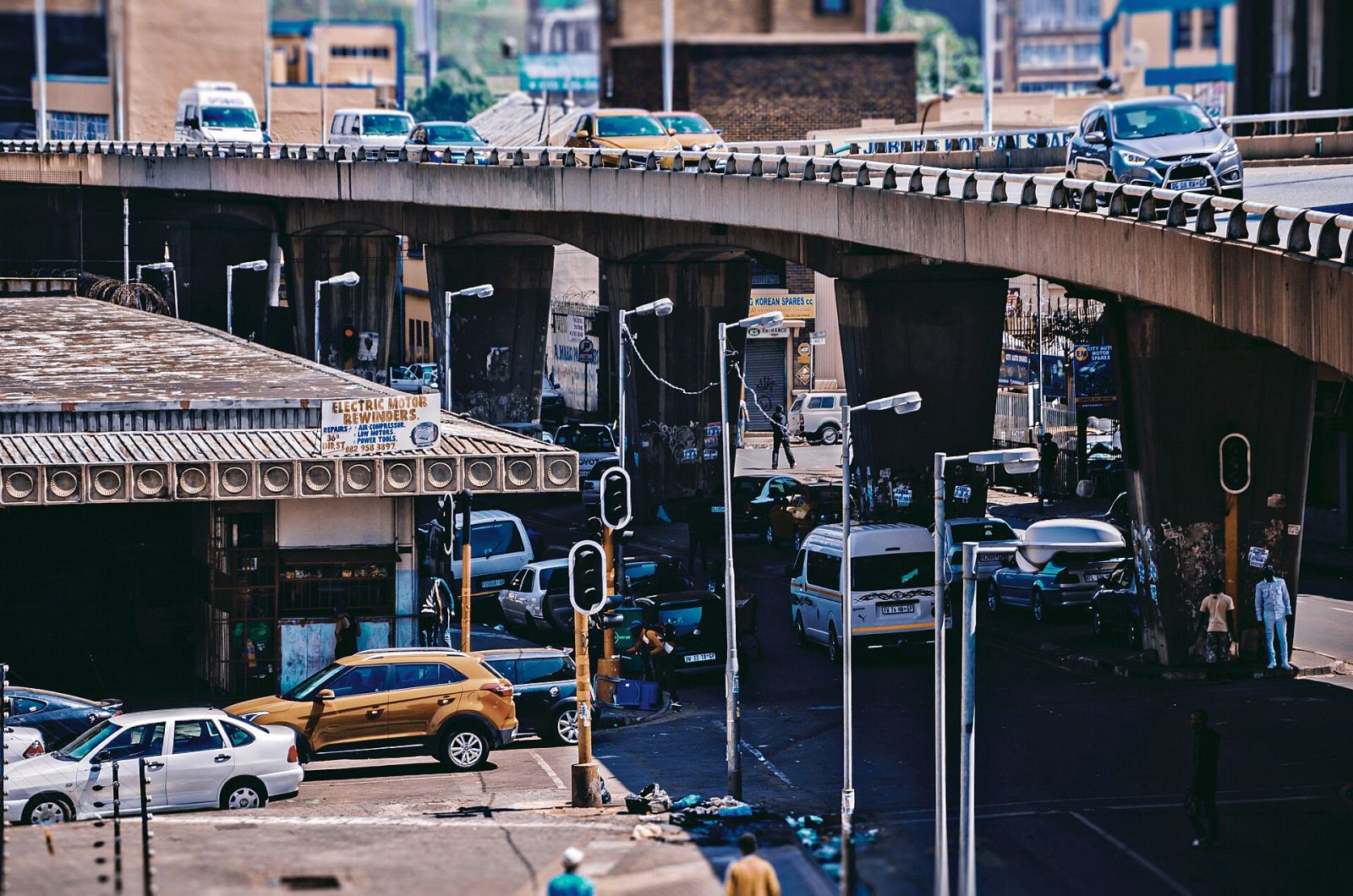
Melville sits just northwest of Johannesburg's city center, and it has long held a reputation as the city's bohemian, intellectual, and artsy neighborhood — a place shaped as much by its proximity to the University of the Witwatersrand and the University of Johannesburg as by its own particular mix of independent bars, secondhand bookshops, and dive bars that has attracted writers, academics, musicians, and students for decades. Where much of Johannesburg's newer development has leaned toward polished shopping malls and gated business parks, Melville has deliberately stayed rougher around the edges, and that's very much part of its appeal.
The neighborhood's heart is 7th Street, a compact stretch lined with independent restaurants, bars, and quirky shops that stays busy well into the evening, drawing a genuinely mixed crowd of students, working professionals, and longtime residents rather than skewing toward any single demographic. Compared to Johannesburg's more polished, upmarket districts like Rosebank or Sandton, 7th Street feels noticeably less curated and considerably more affordable, with prices and atmosphere that reflect its role as a genuine neighborhood hangout rather than a destination built primarily for tourists or visiting businesspeople.
Long-running Melville institutions like Smoking Kills, a dive bar known for regular live music, and Six Cocktail Bar, whose Wednesday jazz nights have become something of a local tradition, anchor the strip's nightlife alongside a rotating cast of newer openings, including Artüro Tequila Garden and De Baba Eatery, both reflecting a slightly more polished, contemporary wave of businesses moving into a neighborhood that has historically prided itself on staying unpolished. That tension between old-guard bohemian character and newer investment is genuinely visible walking the street today, block by block.
| Time | Atmosphere | Best For |
|---|---|---|
| Daytime | Quiet, bookshops and cafés open | Browsing secondhand bookshops and charity shops |
| Early evening | 7th Street filling up, restaurants busy | Dinner at one of the independent restaurants |
| Late evening | Bars and live music venues active | Nightlife, particularly around Six Cocktail Bar and Smoking Kills |
| Weekend | Busiest overall, mixed student and local crowd | The fullest sense of Melville's everyday social scene |
Beyond 7th Street itself, 4th Avenue forms a second, slightly quieter commercial strip through Melville, home to a further mix of antique shops, artist studios, and independent bookstores that reward slower browsing than the busier main strip allows for. The neighborhood's charity shops, several benefiting local animal welfare causes, have also become something of a Melville institution in their own right, drawing regular secondhand shoppers alongside the more typical tourist foot traffic passing through.
Melville is generally considered one of Johannesburg's safer neighborhoods for walking, both during the day and evening, but visitors should still stick to the well-lit main strips of 7th Street and 4th Avenue rather than wandering into quieter side streets, and use Uber or a similar rideshare service for transport once nightlife activities wind down.
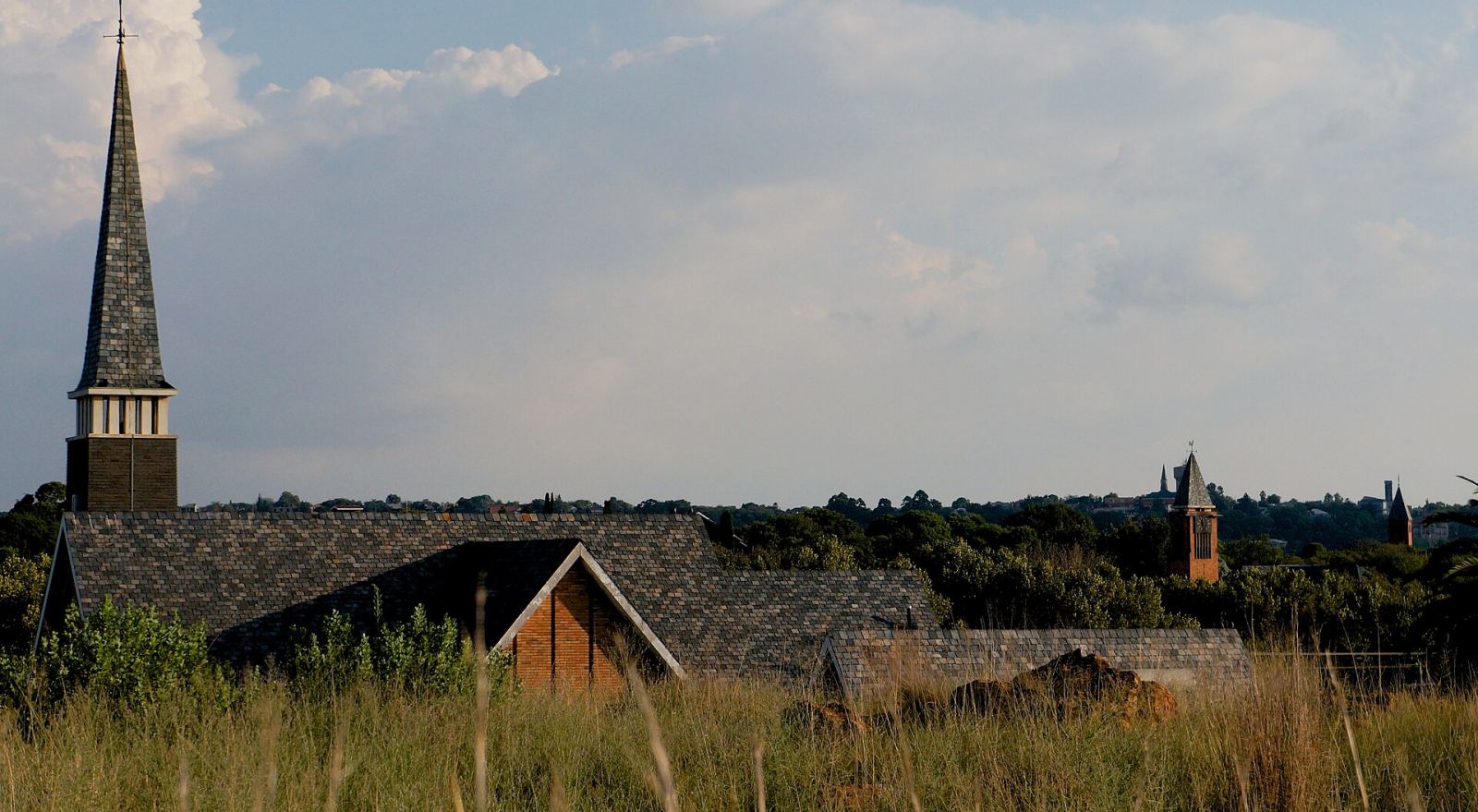
Melville Koppies, a nature reserve on the neighborhood's western edge, offers a genuinely unexpected contrast to the bar-and-bookshop energy of 7th Street — protected grassland and rocky outcrops holding some of the oldest archaeological evidence of human settlement in the greater Johannesburg area, along with panoramic views back over the city skyline. It's a reminder that Melville's identity extends well beyond its most famous strip, into genuine green space and quiet natural history that most visitors passing through for dinner never see.
Melville's proximity to both major universities has shaped its character over multiple generations now, with each new wave of students and academics adding their own layer to the neighborhood's bars, bookshops, and general sense of intellectual restlessness, even as individual businesses along 7th Street have opened and closed many times over the decades. That constant churn, rather than undermining Melville's identity, has arguably become part of it — a neighborhood defined more by its ongoing bohemian atmosphere than by any single permanent landmark.
Melville is best reached by rideshare from central Johannesburg or the northern suburbs, and the neighborhood itself is entirely walkable once you arrive, with 7th Street, 4th Avenue, and the surrounding blocks all within a comfortable few minutes of each other on foot. Daytime visits work well for browsing shops and bookstores, while evenings are better suited to the neighborhood's genuine strength — its bars and restaurants.
Live music has a genuine, ongoing presence in Melville beyond the more established venues, with smaller bars regularly hosting local bands and open-mic nights that draw a mix of students and longtime residents, keeping the neighborhood's reputation as a haven for working musicians and performers genuinely alive rather than purely a matter of nostalgia for an earlier era.
Weekend brunch has become a fixture of Melville's daytime identity in recent years, with several 7th Street and 4th Avenue cafés drawing steady crowds on Saturday and Sunday mornings, a noticeably calmer counterpoint to the same streets' louder, busier character after dark. Arriving early is generally the best way to secure an outdoor table at the more popular spots before the late-morning rush sets in.
Melville's mix of guesthouses and small boutique hotels, several occupying converted older homes just off the main strip, has made the neighborhood a genuinely popular base for visitors who want easy access to nightlife and independent shopping without the more corporate, business-hotel atmosphere found closer to Sandton, giving Melville a further identity as a place people actually stay, not just visit for an evening. Several of these guesthouses are themselves converted historic properties dating back decades, adding a further layer of character to a stay here.
Craft breweries and small-batch coffee roasters have also taken root in Melville over the past several years, adding a further contemporary layer to a neighborhood that has always prided itself on independent, small-scale businesses rather than large chains, and giving the area a genuinely different flavor from Johannesburg's more corporate commercial districts elsewhere in the city.