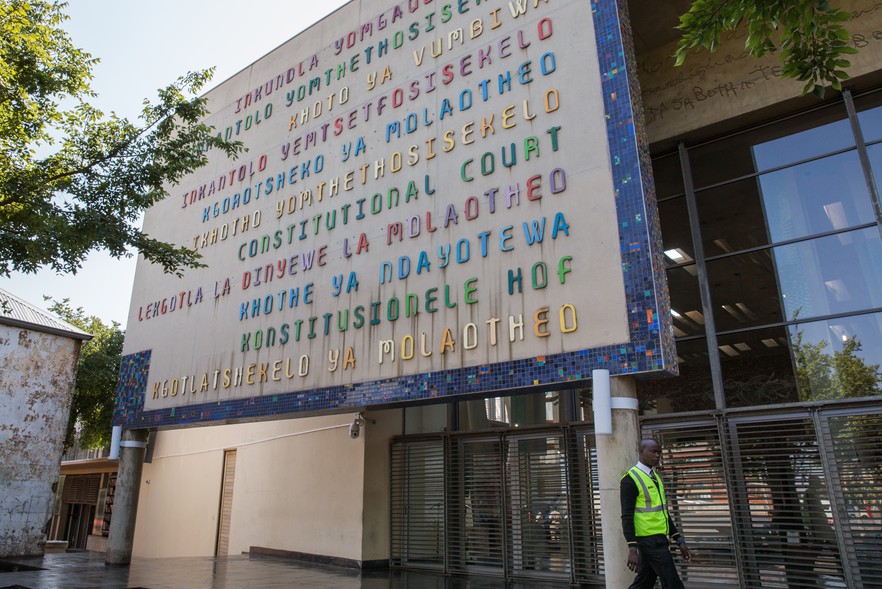
Maboneng: Inside Johannesburg's Reinvented Inner-City Arts Precinct
Former warehouses turned galleries, street art on every façade, and the neighborhood credited with kickstarting downtown Joburg's revival.
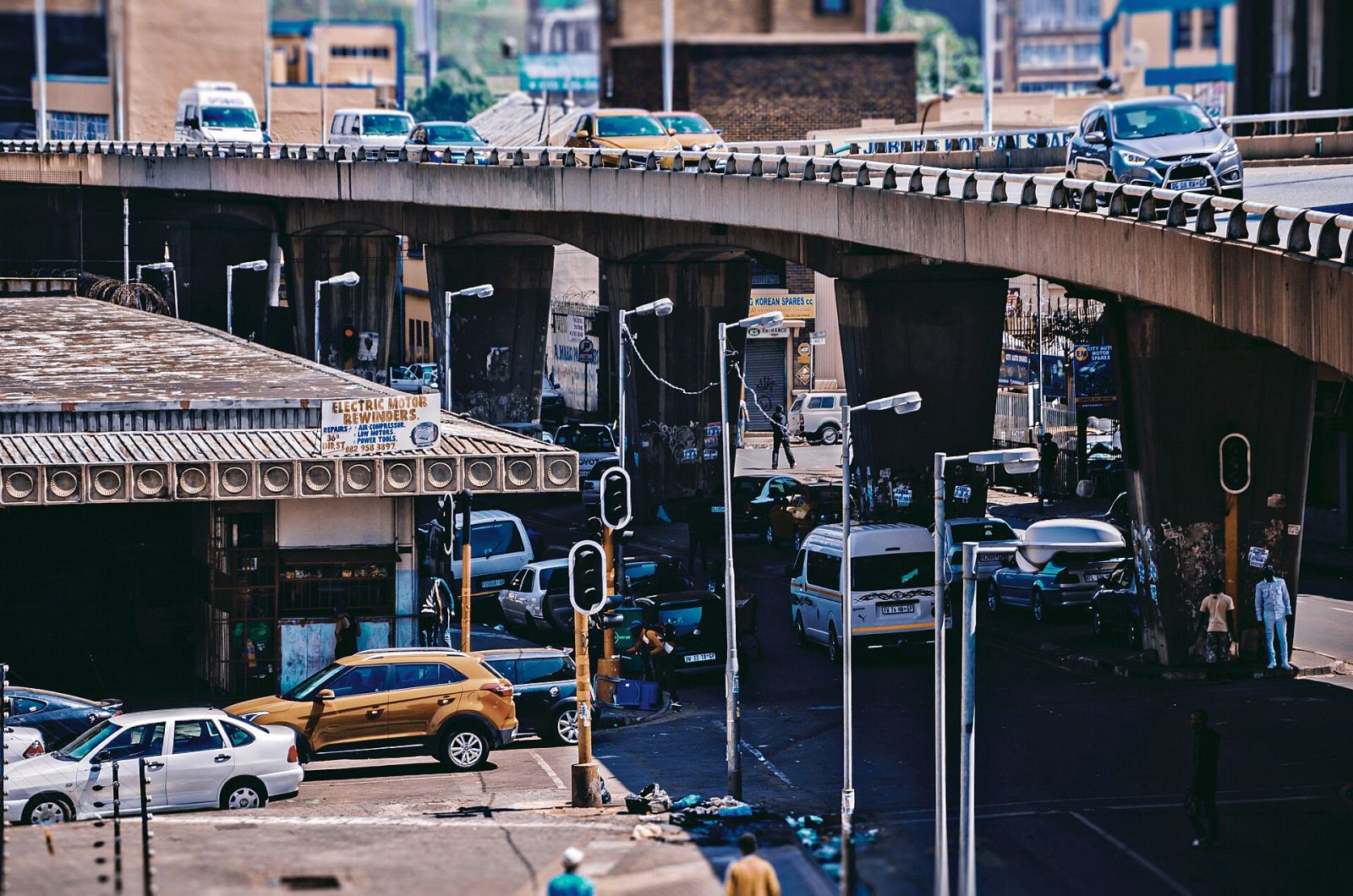
Maboneng, a Sesotho word meaning 'place of light,' sits on the eastern edge of downtown Johannesburg and stands as one of the most visible symbols of the inner city's ongoing reinvention. What was once a fairly typical stretch of industrial warehouses and factories, largely abandoned as businesses fled Johannesburg's central business district in the decades following the end of apartheid, has since been transformed into one of the country's most talked-about creative precincts, with converted lofts, galleries, rooftop bars, and a genuinely distinct urban energy that draws both curious visitors and Johannesburg's own creative class.
The precinct's redevelopment began in 2009, when the property company Propertuity converted Arts on Main, a former warehouse complex, into the district's first creative hub, combining artist studios, gallery space, and a weekly market under one roof. That single project proved to be the catalyst for a much broader transformation of the surrounding blocks over the following decade, and Maboneng is now widely cited as one of the clearest examples anywhere in Africa of how a deliberately targeted urban renewal project can reshape a neighborhood's entire identity within a single generation.
Street art is one of Maboneng's defining visual features, with large-scale murals covering entire building façades throughout the precinct, many created by prominent South African and international artists during organized street art festivals held in the area over the past decade. Walking the main streets means passing a genuinely dense, constantly shifting outdoor gallery, and several local tour operators now run dedicated street art walking tours that explain the specific stories and artists behind individual pieces, turning what could be a quick photo stop into a considerably deeper introduction to the precinct's creative identity.
| Time | Atmosphere | Best For |
|---|---|---|
| Morning | Quiet, cafés opening, good light for photos | A calm walk to see the street art |
| Weekday afternoon | Moderate foot traffic, shops and galleries open | Browsing the Museum of African Design and shops |
| Weekend (market days) | Busy with the weekly food and design market | Local food, crafts, and a livelier atmosphere |
| Evening | Rooftop bars and restaurants fill up | Dinner and drinks with skyline views |
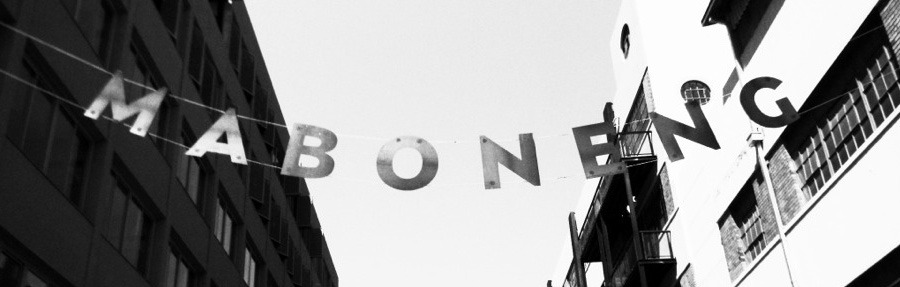
The Museum of African Design, housed within the Maboneng precinct, bills itself as the continent's first design laboratory and offers rotating exhibitions covering everything from architecture and fashion to industrial design across the African continent, giving visitors a genuinely substantive cultural stop beyond the precinct's street art and dining. Arts on Main's weekly Sunday market remains one of the best times to experience Maboneng at its liveliest, with food stalls, live music, and craft vendors filling the original converted warehouse space that started the whole redevelopment nearly two decades ago.
Maboneng itself is generally well managed with visible security, but it sits within Johannesburg's inner city, which has areas that remain genuinely unsafe for pedestrians, especially after dark. Stay within the main precinct streets, avoid walking between Maboneng and other inner-city areas on foot, and use a rideshare or hotel shuttle for transport after sunset.
Maboneng's dining scene has grown into one of the more genuinely diverse and interesting in the city, with restaurants ranging from casual street-food-style vendors to more polished rooftop venues offering skyline views back toward the Johannesburg CBD, a striking sight given how recently much of this same skyline was considered off-limits to casual visitors. The precinct's residential lofts, converted from the same industrial buildings that once stood largely vacant, have also drawn a genuine live-in population of young professionals and creatives, giving Maboneng an actual daytime and nighttime community rather than functioning purely as a tourist attraction.
Maboneng's ongoing evolution means the precinct looks noticeably different year to year, as new projects open, existing spaces get repurposed, and the boundaries of what counts as 'Maboneng' shift slightly with each new development. That constant change is, in a sense, the whole point — the precinct exists as a live, ongoing experiment in inner-city revival rather than a finished, static attraction, and visitors returning after even a couple of years away often find genuinely new things to see.
Maboneng is best reached by rideshare or a pre-arranged tour, since Johannesburg's inner city is not a place most visitors should attempt to navigate alone on foot from further afield. Once inside the precinct itself, walking between its main streets and buildings is straightforward and generally safe during daylight and early evening hours, with the whole area small enough to explore thoroughly in two to three hours.
Public art beyond the murals also plays a role in Maboneng's identity, with sculptural installations and repurposed industrial objects scattered throughout the precinct's public spaces, part of a broader effort by the original developers to make the area feel genuinely curated as a creative district rather than simply a commercial retrofit of old warehouse buildings. Several of these pieces directly reference the neighborhood's industrial past, creating a visual dialogue between what the area used to be and what it has become.
Rooftop bars in particular have become one of Maboneng's signature evening draws, offering views that place the precinct's low-rise converted warehouses directly against the taller towers of the Johannesburg CBD beyond, a genuinely striking juxtaposition that captures the area's specific identity as neither fully part of the old downtown nor entirely separate from it. Several of these venues have become popular enough that reservations are genuinely worth making ahead of a weekend visit, particularly during the warmer summer months when outdoor seating fills quickly.
Maboneng's boutique hotels and guesthouses, several occupying the same converted industrial buildings as the precinct's galleries and shops, offer visitors the option of staying directly within the district rather than commuting in from elsewhere in the city, giving a genuinely different, more immersive sense of the neighborhood's rhythm across a full day and night rather than just a single afternoon visit.