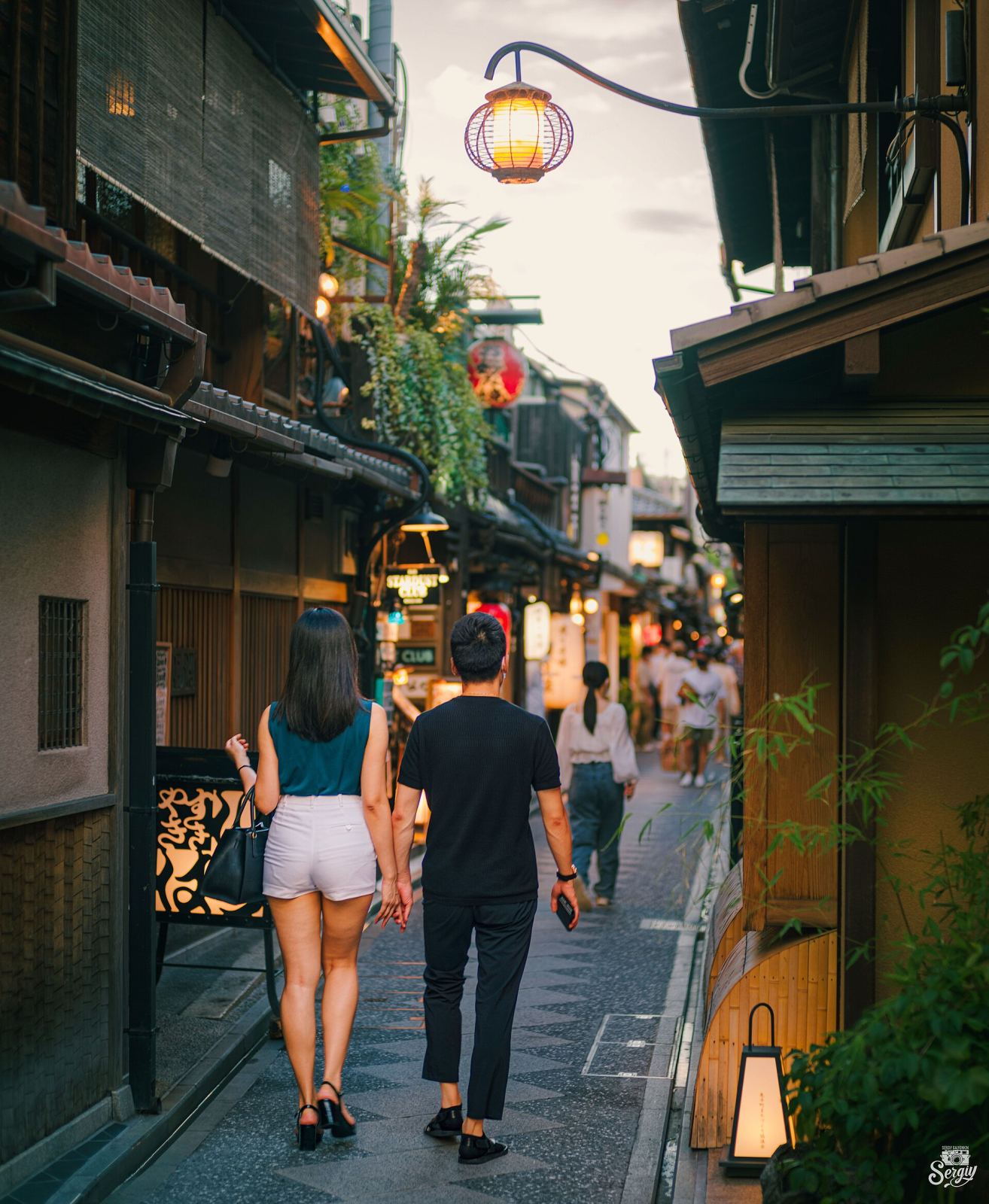
Nishiki Market: A Complete Guide to Kyoto's Kitchen
A 400-year-old covered food market with 130 stalls — the history, what to eat, and the etiquette that's changed in recent years.

Nishiki Market has been Kyoto's food hub for so long that locals simply call it "Kyoto's Kitchen," a nickname that has stuck for nearly a century now. It's a narrow, roofed shopping arcade stretching about 390 meters through the middle of downtown Kyoto, packed with roughly 130 stalls and shops selling everything from centuries-old pickle recipes to grilled skewers you can eat on the spot. It doesn't have the geisha-district glamour of Gion or Pontocho, but for a lot of visitors it ends up being the single most memorable stop in the city — a place where Kyoto's food culture is on full, fragrant display rather than tucked behind a restaurant menu.
The market's roots go back further than most of Kyoto's other famous streets, all the way to the early 1600s, when fish sellers began gathering along this street specifically because of the cold groundwater running beneath it — natural refrigeration centuries before mechanical cooling existed, which earned the street the old nickname "Kyoto's Refrigerator." It operated informally for over two centuries before being officially renamed and recognized as a public market in 1872. The "Kyoto's Kitchen" branding came later, in 1928, when a newly formed merchants' association encouraged a wider mix of vendors — meat, produce, and general goods alongside the original seafood and pickle stalls — and the covered arcade roof went up not long after, giving the market its current all-weather form.
Walking Nishiki-koji Street today means passing stall after stall of Kyoto specialties: fresh and grilled seafood (skewered octopus and scallops are everywhere), tsukemono pickles in colors and flavors you won't find outside the Kansai region, yuba (fresh tofu skin), matcha sweets, and knife shops selling hand-forged Japanese blades that professional chefs travel here specifically to buy. Many stalls have operated in the same spot for multiple generations, and it shows — the market has a lived-in, working-market feel rather than a manufactured tourist-attraction one, even on its busiest afternoons.
| Time | Atmosphere | Best For |
|---|---|---|
| Weekday mornings (10am-noon) | Quietest window, best for unhurried browsing | Photography, talking to vendors without a rush |
| Weekday afternoons | Moderate crowds, most stalls in full swing | A balanced first visit |
| Weekends | Very crowded, narrow arcade gets genuinely packed | Atmosphere and people-watching, not fast movement |
| Early evening | Stalls beginning to close (many shut by 6pm) | Not recommended — go earlier in the day |
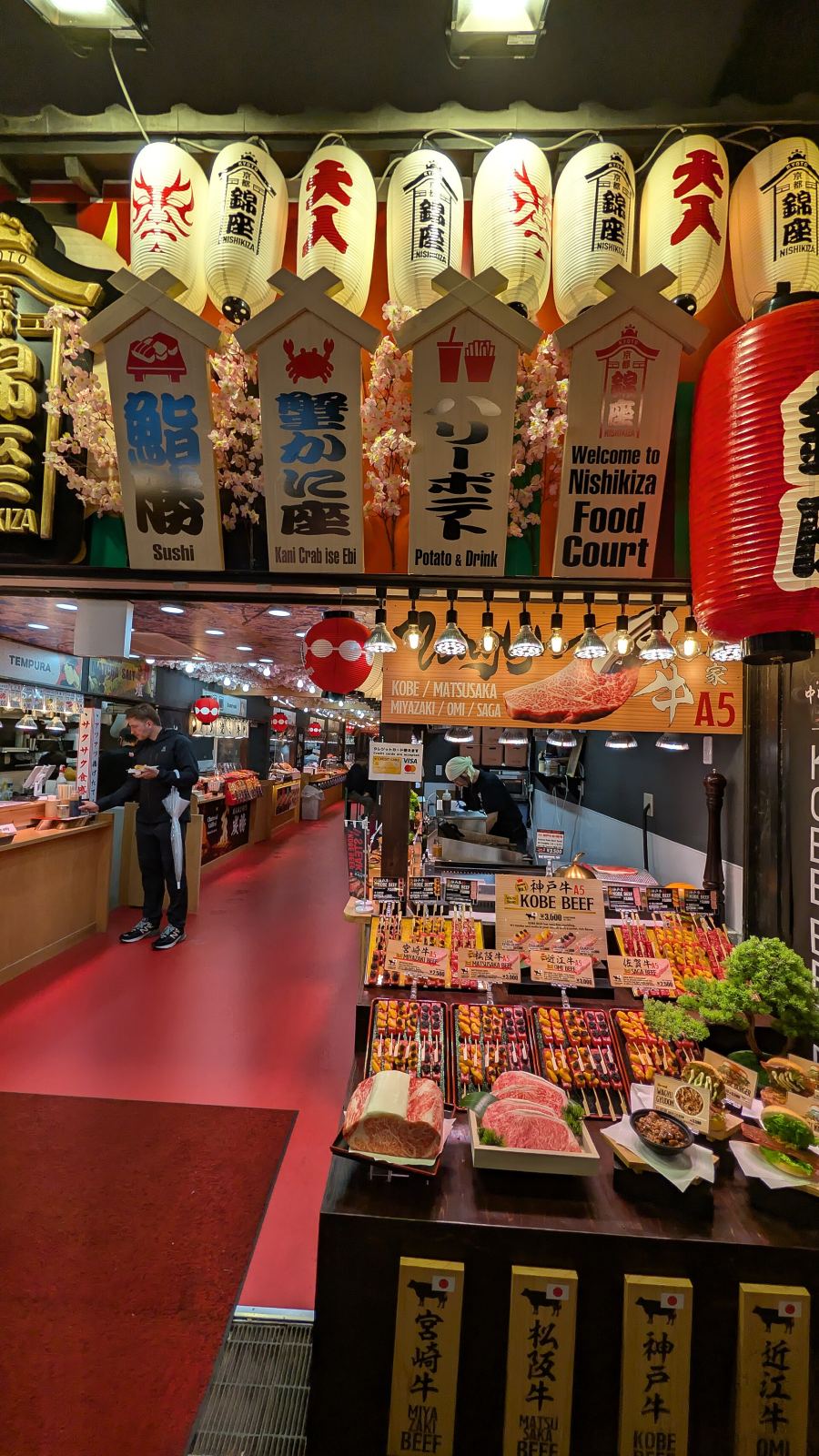
Nishiki has tightened its walking-and-eating rules in recent years — most stalls now expect you to finish food in front of the stall rather than carrying it while walking through the crowded arcade, and littering fines apply in parts of central Kyoto. Bring small cash, since many family-run stalls don't take cards, and budget more time than you'd expect: 130 stalls in 390 meters means constant stopping, even if you only intend to look rather than buy.
Beyond the food, Nishiki is worth browsing for kitchenware alone — ceramics, lacquerware, and the aforementioned hand-forged knives make for durable, genuinely useful souvenirs rather than novelty ones. The market sits directly beneath the Nishikiten shrine roughly at its midpoint, a small Shinto shrine tucked between stalls that most first-time visitors walk straight past. At the eastern end, Nishiki-koji feeds directly into the Teramachi and Shinkyogoku covered shopping arcades, extending the covered-walkway shopping experience for several more blocks if you're not ready to stop.
A few categories are worth seeking out specifically if you want to eat well rather than just browse: skewered rolled tamagoyaki omelette (a market signature you'll see grilled fresh at multiple stalls), fresh baby octopus stuffed with a whole quail egg, and the tsukemono pickle shops, many of which offer free samples before you buy — sampling is genuinely expected here and a good way to figure out what Kyoto-style pickling actually tastes like before committing to a jar. Expect most snack-sized items to run ¥300-800, with a full grazing walk through the market costing considerably less than a sit-down restaurant meal while covering a much wider range of flavors.
Nishiki has grown considerably busier over the past decade as it's become a fixture on nearly every Kyoto itinerary, and the market's own merchants' association has responded with a mix of new rules — the no-walking-while-eating policy chief among them — and infrastructure like additional trash bins, since disposable skewer sticks and food wrappers were becoming a genuine problem in a market with no obvious place to throw them out. It's worth keeping this in mind as a visitor: Nishiki is a working commercial street serving Kyoto residents first, and the small courtesies (finishing food before moving on, carrying out your own trash if a bin isn't handy) go a long way toward keeping it functional for everyone.
Nishiki Market sits within easy walking distance of Kyoto's other classic downtown streets. It's a short walk to Pontocho Alley and a slightly longer one to Gion and Hanamikoji Street, making it a natural midday stop between a morning of sightseeing and an evening in either historic district. If the market whets your appetite for Kyoto's food scene more broadly, our guides to Yudofu and Matcha Sweets Near Kyoto cover two specialties you'll also find sold fresh inside the arcade.
Nishiki Market runs parallel to Shijo-dori, one block north, between Teramachi-dori and Takakura-dori. The closest subway stop is Karasuma Oike or Shijo Station on the Karasuma Line, each about a 5-10 minute walk. It's also directly accessible from the Hankyu Kyoto Line's Karasuma Station. Most city buses running along Shijo-dori from Kyoto Station will get you within a short walk as well; the ride from the station takes about 15 minutes.