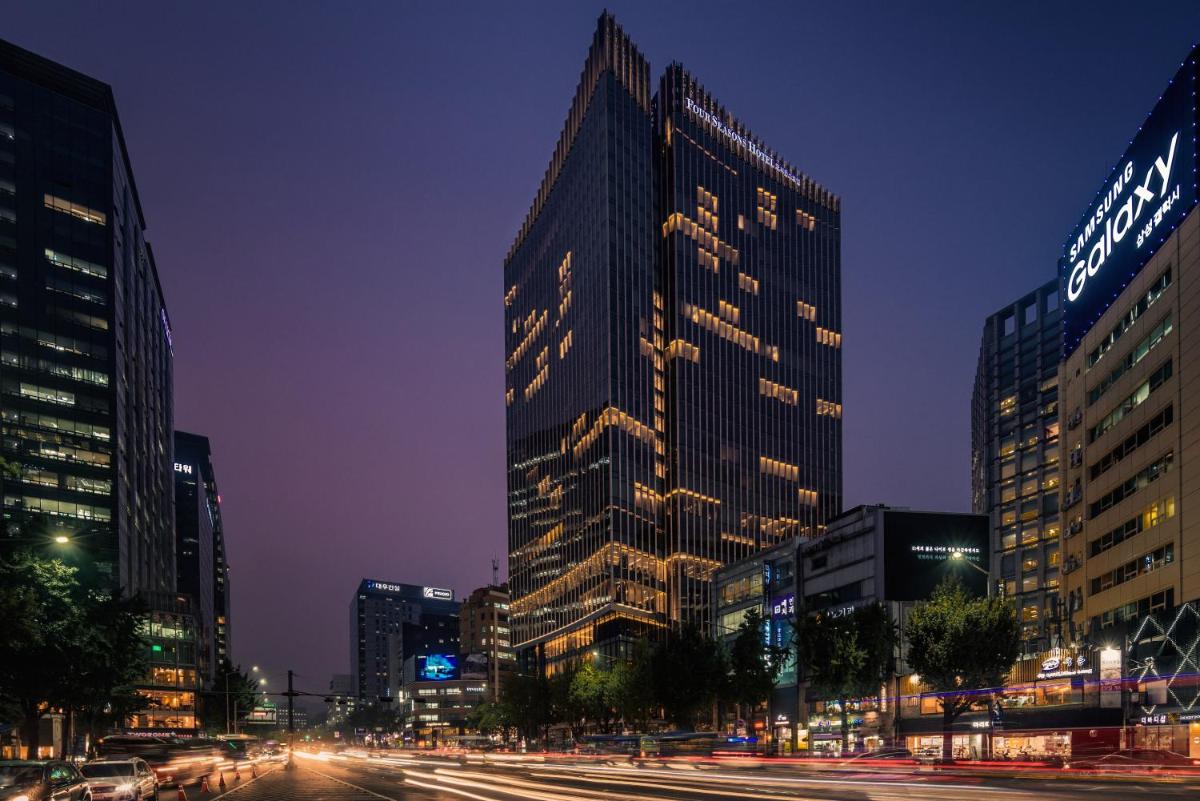
Myeongdong: Seoul's Busiest Shopping and Street Food District
K-beauty flagships, a Gothic cathedral, and a night market that draws close to two million visitors a day.

Myeongdong is Seoul's single busiest shopping district, a dense grid of pedestrian streets in the heart of Jung District that draws close to two million visitors a day, a genuinely staggering figure for an area that covers only a few compact blocks. Walking through Myeongdong means moving through a wall of neon signage, K-beauty flagship stores, fast fashion outlets, and street food carts all competing for attention at once, and for many first-time visitors to Seoul, this overwhelming sensory density is exactly what they came looking for.
The district's identity as a commercial hub dates back to the years following the Korean War, when Myeongdong rebuilt itself as a trendy gathering spot for Seoul's youth through the 1960s and 1970s, developing a genuine reputation around fashion, art, and countercultural energy well before it became the tourist-facing shopping district it's known as today. The 1988 Seoul Olympics marked a turning point, putting Myeongdong on the international map, and the subsequent global rise of K-Pop and K-drama through the 1990s and 2000s brought a fresh wave of international attention specifically tied to Korean beauty products and lifestyle culture, cementing the area's modern identity.
K-beauty stores are Myeongdong's single defining retail category, with flagship locations from nearly every major Korean cosmetics brand clustered within a few blocks of each other, many offering free samples, promotional gifts, and English-speaking staff specifically to cater to the district's heavy international foot traffic. Fashion retailers, both high-end and fast-fashion, fill in the remaining storefronts, and the sheer concentration of options in one place makes Myeongdong one of the most efficient places in the entire city to shop for Korean beauty and clothing without needing to travel between multiple neighborhoods.
| Time | Atmosphere | Best For |
|---|---|---|
| Daytime | Busy shopping crowds, stores fully open | K-beauty and fashion shopping |
| Late afternoon | Street food carts setting up | Early street food before the dinner rush |
| Evening | Night market in full swing, neon lit | Street food, photography, and the busiest atmosphere |
| Late night | Crowds thinning, some shops closing | A calmer walk and a last snack before heading out |
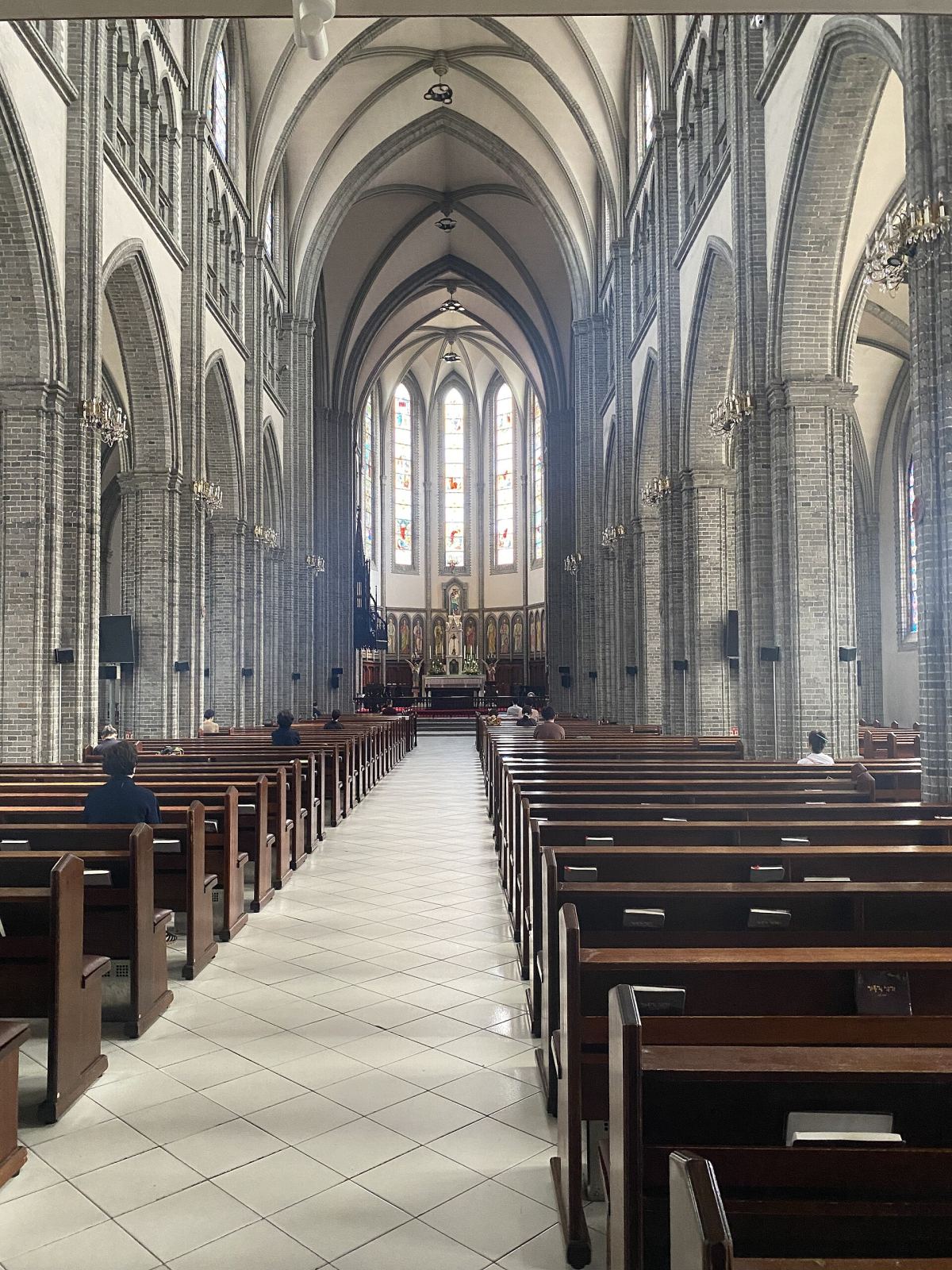
Myeongdong Cathedral, completed in 1898, stands as South Korea's first Gothic-style church and one of the district's few genuinely historic landmarks amid the modern retail surrounding it, its soaring brick arches and stained glass offering a quiet, contemplative counterpoint to the noise and neon just outside its gates. The cathedral also carries real political weight in modern Korean history, having served as a sanctuary and rallying point for pro-democracy demonstrators during the country's 1980s struggle against military rule, a history that adds genuine depth to what might otherwise be an easy landmark to walk past without a second look.
The district's street food carts, concentrated most heavily in the evening, offer some of the most reliably good and varied Korean street snacks anywhere in Seoul, from skewered meats and tteokbokki to more elaborate seafood and cheese-topped creations. Come hungry, and expect to graze from multiple carts rather than filling up at just one.
Myeongdong's night market, running through the district's main pedestrian streets each evening, transforms the area's daytime shopping character into something considerably livelier, with vendor carts lining the sidewalks selling everything from classic Korean street food to novelty desserts designed as much for social media as for eating. The market's density and energy make it one of the most reliably photogenic evening activities in central Seoul, and it's worth timing at least one evening of a Seoul visit specifically around wandering Myeongdong after dark.
Beyond shopping and street food, Myeongdong also functions as a genuine transit hub and financial district by day, with several major Korean bank headquarters and corporate offices located within or near the shopping streets, giving the area a working, everyday character during business hours that shifts considerably once the evening tourist and shopping crowds take over.
Myeongdong is centrally located and easily reached via its own dedicated subway station on Line 4, making it one of the most straightforward major attractions in Seoul to reach without a car. Given the district's density and popularity, weekday visits tend to be noticeably calmer than weekends, and arriving in the late afternoon offers a reasonable middle ground between daytime shopping and the full evening street food market.
Tax-free shopping is a genuine draw for many international visitors to Myeongdong, with numerous stores offering on-the-spot tax refunds for tourists presenting a passport at checkout, and several dedicated tax refund kiosks operating throughout the district to streamline the paperwork before departure. This practical infrastructure, built specifically around the district's heavy foreign tourist traffic, is part of why Myeongdong has remained the default first stop for so many visitors making their initial Seoul shopping run.
Language is rarely a genuine barrier in Myeongdong, since most major stores employ staff fluent in English, Japanese, or Chinese specifically to serve the district's international customer base, a level of accessibility that sets it apart from more locally oriented shopping areas elsewhere in the city.
Seasonal decorations, particularly around Christmas and Lunar New Year, transform Myeongdong's already dense neon streetscape into something even more elaborate, with light displays strung overhead drawing crowds specifically for the festive atmosphere on top of the district's usual shopping and street food draws. Visiting during these periods means significantly heavier crowds, so plan accordingly if a calmer visit matters more than the festive atmosphere.
Skincare consultations, often free with purchase at the district's larger K-beauty flagships, give visitors a genuinely useful, personalized way to navigate the sheer volume of products on offer, and many staff are trained specifically to recommend items suited to different skin types rather than simply pushing whatever is currently being promoted.