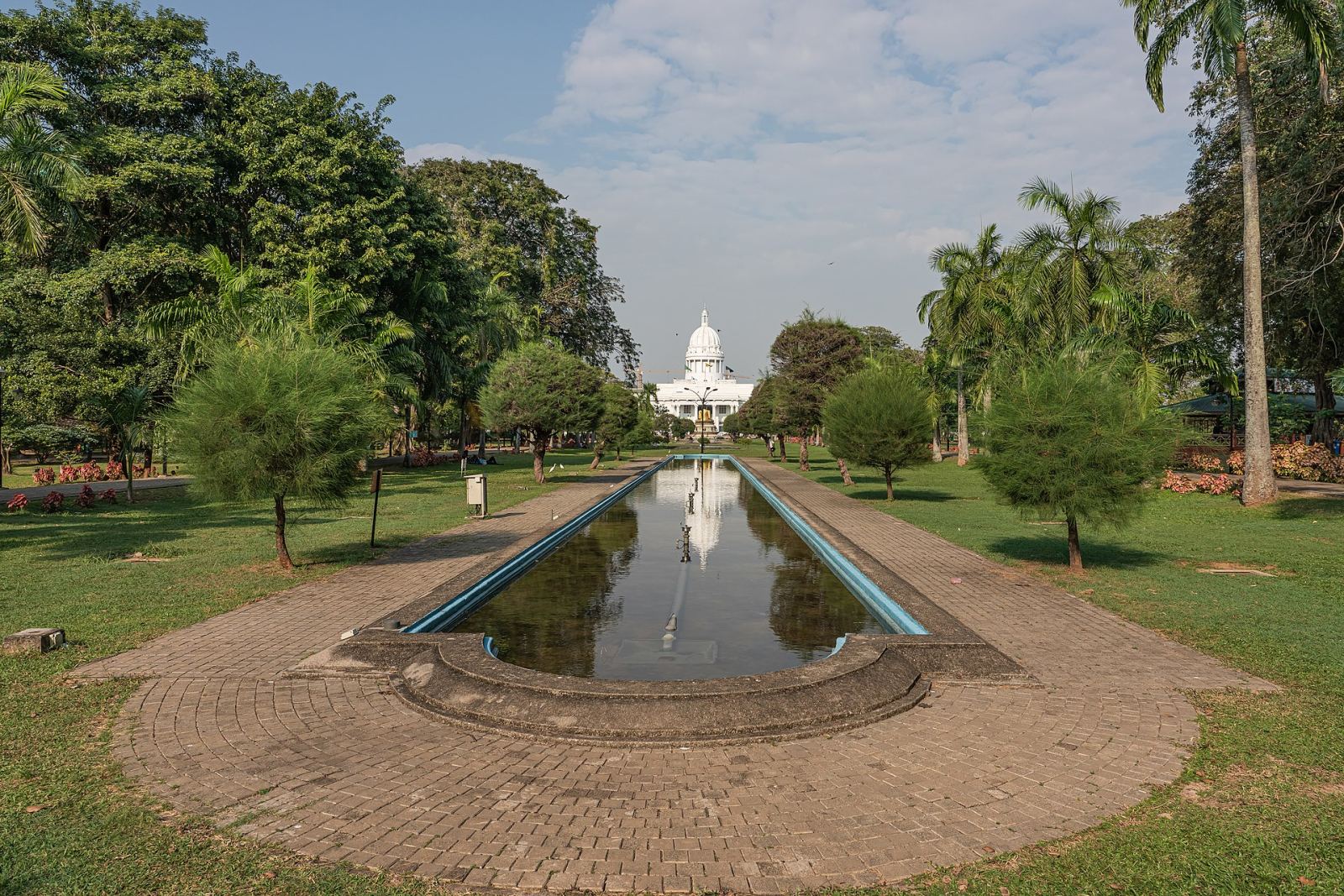
Slave Island and Beira Lake: Colombo's Layered, Undersold Center
A former slave holding ground turned lakeside business district, home to Colombo's only floating Buddhist temple.

Slave Island, officially Colombo 2, is one of the city's oldest and most layered neighborhoods, built around Beira Lake, the artificial lake that once served as a defensive moat protecting Colombo Fort from land-based attack. Despite its grim name, today's Slave Island is a busy, thoroughly modern commercial district of government offices, corporate towers, and apartment blocks, and the contrast between its dark colonial-era origins and its current identity as a growing business and residential hub is part of what makes it worth understanding rather than simply passing through.
The name dates to the Portuguese and Dutch colonial periods, when enslaved people — many of them 'Kaffirs' brought originally from the Mozambique coast of East Africa via the Portuguese settlement of Goa — were housed on this isolated, then genuinely island-like piece of land at night after working in Dutch households in Colombo Fort during the day. The isolation made it harder for enslaved people to escape, a deliberate design choice reflecting the brutal logic of the colonial slave trade that operated in Ceylon for roughly two centuries following the Portuguese arrival around 1630.
Beira Lake itself has a history nearly as layered as the neighborhood surrounding it — for almost three centuries it functioned as both a defensive moat for the fort and a working transport channel for moving goods around the city, and it became a genuine boating and leisure destination as Colombo modernized. The name Beira likely derives from a Dutch engineer named De Beer, credited with constructing the network of moats, sluices, and water defenses that shaped the lake's original form, though the name itself only came into common use in the early 20th century.
| Time | Atmosphere | Best For |
|---|---|---|
| Early morning | Quiet lake, joggers and walkers | A peaceful walk around the lakeside paths |
| Midday | Busy with office workers | Lunch near the business district |
| Sunset | Golden light on the water and skyline | Photos of the lake and Seema Malaka |
| Evening | Lit skyline reflected in the water | A relaxed lakeside evening walk |
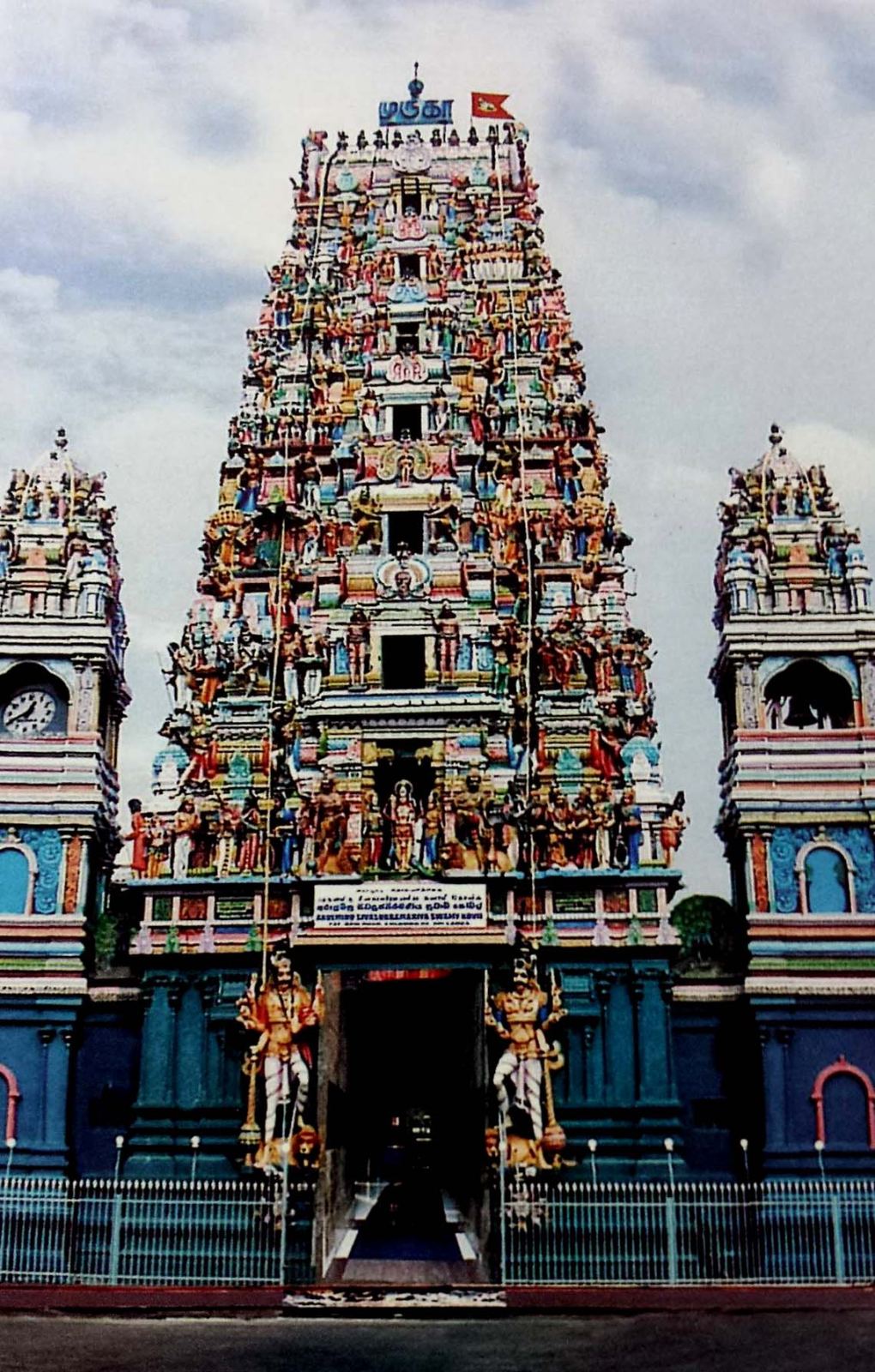
The Seema Malaka, a small Buddhist temple designed by celebrated Sri Lankan architect Geoffrey Bawa, sits on stilts directly over Beira Lake and remains one of the most photographed structures in Colombo — a rare piece of genuinely serene architecture surrounded by the growing towers of the modern business district. Elsewhere in the neighborhood, Captain's Garden, a slightly elevated area that was once its own separate island, is home to the Sri Kailasanathar Swami Devasthanam, considered the oldest Hindu temple in Colombo, reflecting the neighborhood's long-standing religious diversity alongside its commercial character.
Slave Island doesn't announce its history the way some of Colombo's more curated attractions do — most of its landmarks sit quietly among office towers and busy streets. A slower, unhurried walk around the lake, rather than a checklist of specific stops, is generally the best way to take it in.
Slave Island's modern identity is defined as much by its institutions as its history — the neighborhood is home to the headquarters of the Sri Lanka Air Force and Sri Lanka Army, several government ministries, hospitals, and a growing cluster of corporate offices and residential towers that have transformed its skyline substantially over the past two decades. In 1810, the area also briefly hosted Ceylon's first British botanic garden, a seven-acre site established by Sir Joseph Banks with direct ties to London's Kew Gardens, though little visible trace of it remains today.
Slave Island is centrally located and easily reached on foot from most parts of downtown Colombo, or by a short tuk-tuk or rideshare ride from Colombo Fort. The Slave Island railway station also sits directly on the city's main commuter rail line, making it one of the more straightforwardly accessible neighborhoods in the city for visitors without a car, and a reasonable base from which to explore the surrounding lakeside attractions on foot.
The lake's water quality has been an ongoing subject of city cleanup efforts over the years, and while it no longer serves any defensive or major transport function, small boats and pedal craft do still operate on parts of it for recreational use, giving the lakeside area a genuinely relaxed, park-like feel despite sitting in the middle of one of the city's busiest commercial zones. Evening walks along the paved paths bordering the water are a popular, low-key way for both residents and visitors to unwind.
What makes Slave Island genuinely worth a deliberate visit, rather than just a walk-through on the way somewhere else, is precisely this layering — a neighborhood whose name recalls one of the darkest chapters of the colonial era, built around a lake that once defended the same colonial power responsible for that history, now home to a Buddhist temple designed by one of the country's most celebrated modern architects and a fast-growing corporate skyline. Few places in Colombo compress that much historical contradiction into so small and walkable an area.
New high-rise residential and commercial towers continue to reshape Slave Island's skyline year over year, part of a broader wave of development along Colombo's waterfront that has picked up considerably over the past decade, which means the neighborhood's visual character is likely to keep shifting even as its lakeside landmarks and older temples remain fixed points of continuity underneath the change.