The Marrakech Souks: A Labyrinth of Spices, Lanterns and Leather
Explore the covered souks of the Marrakech medina, from the spice and dyers' markets to the lantern and leather sections, with practical tips on haggling, navigation and what to buy.
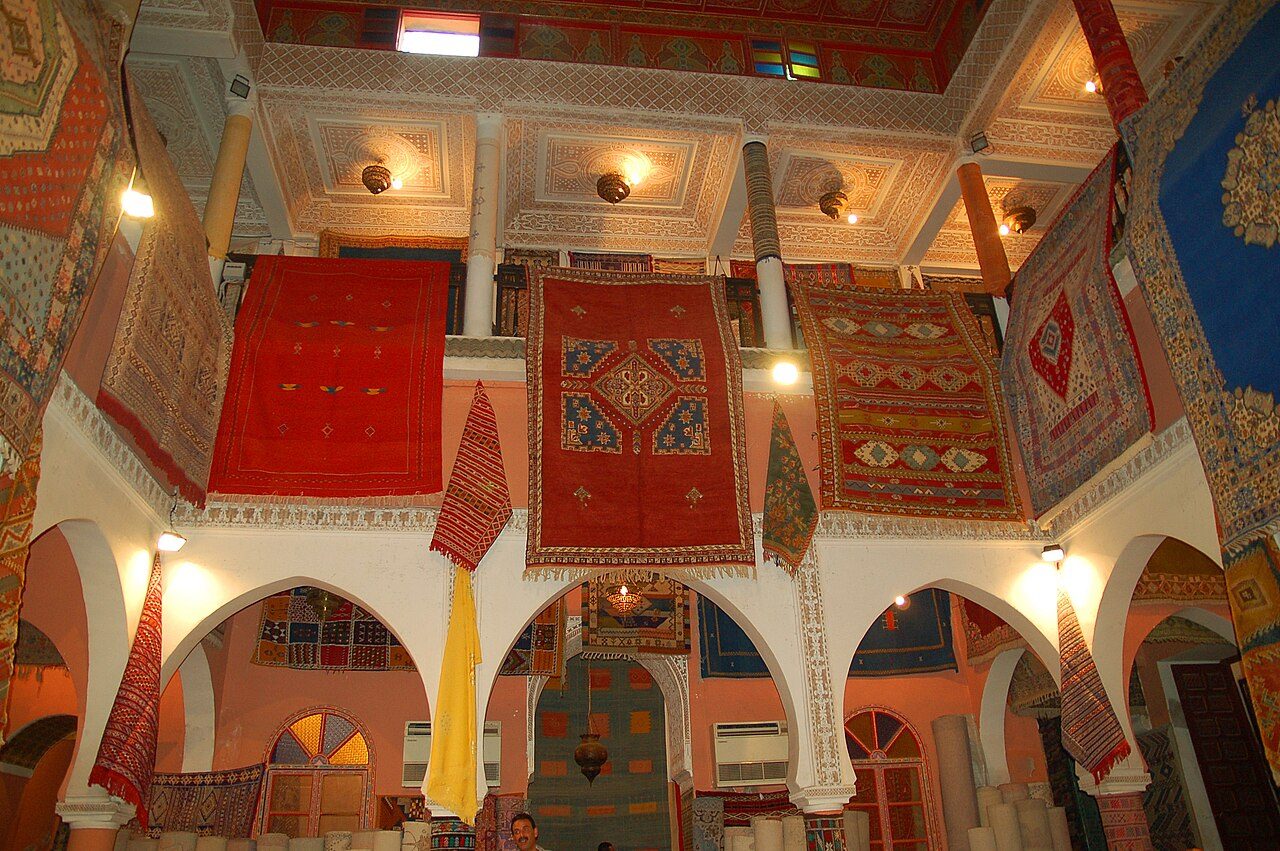
The souks of Marrakech are the largest traditional market in Morocco and one of the great shopping experiences of the world. Stretching north from Jemaa el-Fnaa into a tangle of covered alleys, they hold thousands of tiny shops and workshops, each selling a different craft, spice, textile or piece of metalwork. Shafts of sunlight slip through the slatted roofs, the air is full of the smell of leather, cumin, cedar and incense, and the sound of hammering from the metalworkers rings through the lanes. It is hectic, confusing and endlessly fascinating, and getting lost is almost part of the experience.
The souks developed in the 11th century when Marrakech was founded, and they have been the commercial heart of the city ever since. Over the centuries, they were organized by trade, with each guild given its own street or section: dyers, leatherworkers, blacksmiths, carpenters, spice sellers and carpet merchants. That structure still exists, even though the divisions are less strict now. Artisans continue to work in tiny workshops behind the stalls, so you can watch metalworkers beating copper, woodworkers carving cedar and cobblers sewing slippers by hand, and many of the techniques have not changed in centuries.
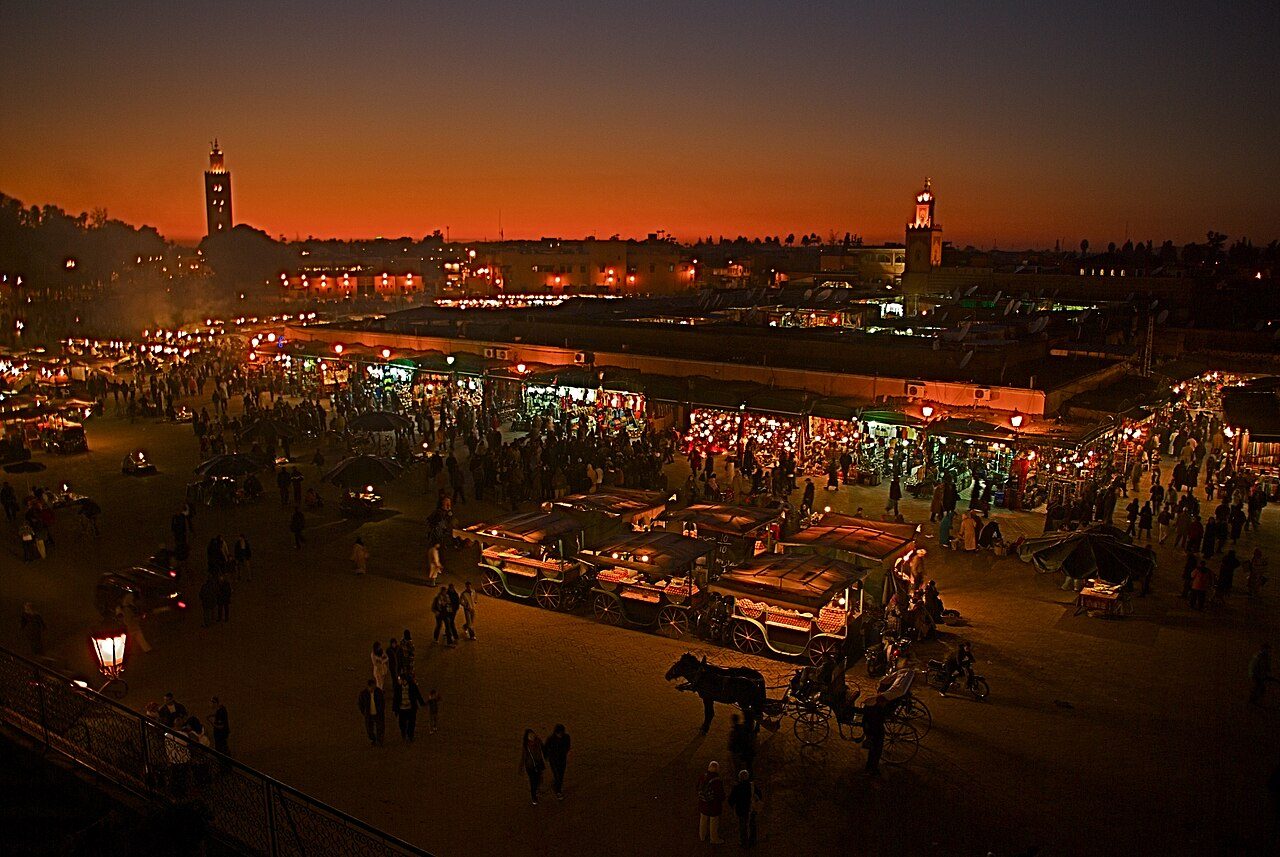
The main artery is Souk Semmarine, which runs north from Jemaa el-Fnaa and is lined with fabric, clothing, slippers and souvenirs. From there, the lanes branch into specialist areas. Souk Haddadine is where blacksmiths make iron lanterns and fittings, and the sparks and noise are dramatic. Souk el Attarine is the spice and perfume market, where heaps of saffron, cumin, ras el hanout and dried rose petals sit in pyramids. The Souk des Teinturiers, or dyers' souk, is draped with brightly colored wool and silk hung out to dry, and the Souk Cherratine is where leather goods are made.
The most useful skill is learning to haggle. Prices are rarely marked, and the first price quoted to tourists can be three to five times what a local would pay. The usual approach is to offer about a third to a half of the first price, remain friendly and negotiate slowly, and be willing to walk away, which often results in a lower offer. Never name a price you are not prepared to pay, since agreeing to buy is considered a commitment. Take your time, compare prices in several shops and drink the mint tea offered, which does not oblige you to buy.
| Place | What to Expect |
|---|---|
| Souk Semmarine | The main covered street, with clothes, slippers, textiles and souvenirs |
| Souk el Attarine | Spices, perfumes, herbal remedies and traditional medicines |
| Souk Haddadine | Blacksmiths and metalworkers making iron lanterns, tools and decorative pieces |
| Souk des Teinturiers | The dyers, with colorful wool and silk skeins drying overhead |
| Place des Épices | A small square of rugs, baskets and spice sellers in the heart of the souks |
Walk north from Jemaa el-Fnaa along Souk Semmarine, the main entrance, or enter through Bab Fteuh and Bab Doukkala. Cars are not allowed, but motorbikes and carts squeeze through, so stay to one side and listen for the call of balak, which means watch out.
Navigating the souks is part of the adventure, but a few tips help. The lanes twist and cross without a regular grid, and phone GPS can be erratic under the roofs. Pick a landmark, such as the Ben Youssef Madrasa or Jemaa el-Fnaa, and keep track of the direction, or make a mental note of unusual shops. If you get lost, ask a shopkeeper for directions rather than a boy offering to guide you, who will expect payment. Most main lanes eventually lead to a gate or to Jemaa el-Fnaa, and a taxi can be found outside the walls.
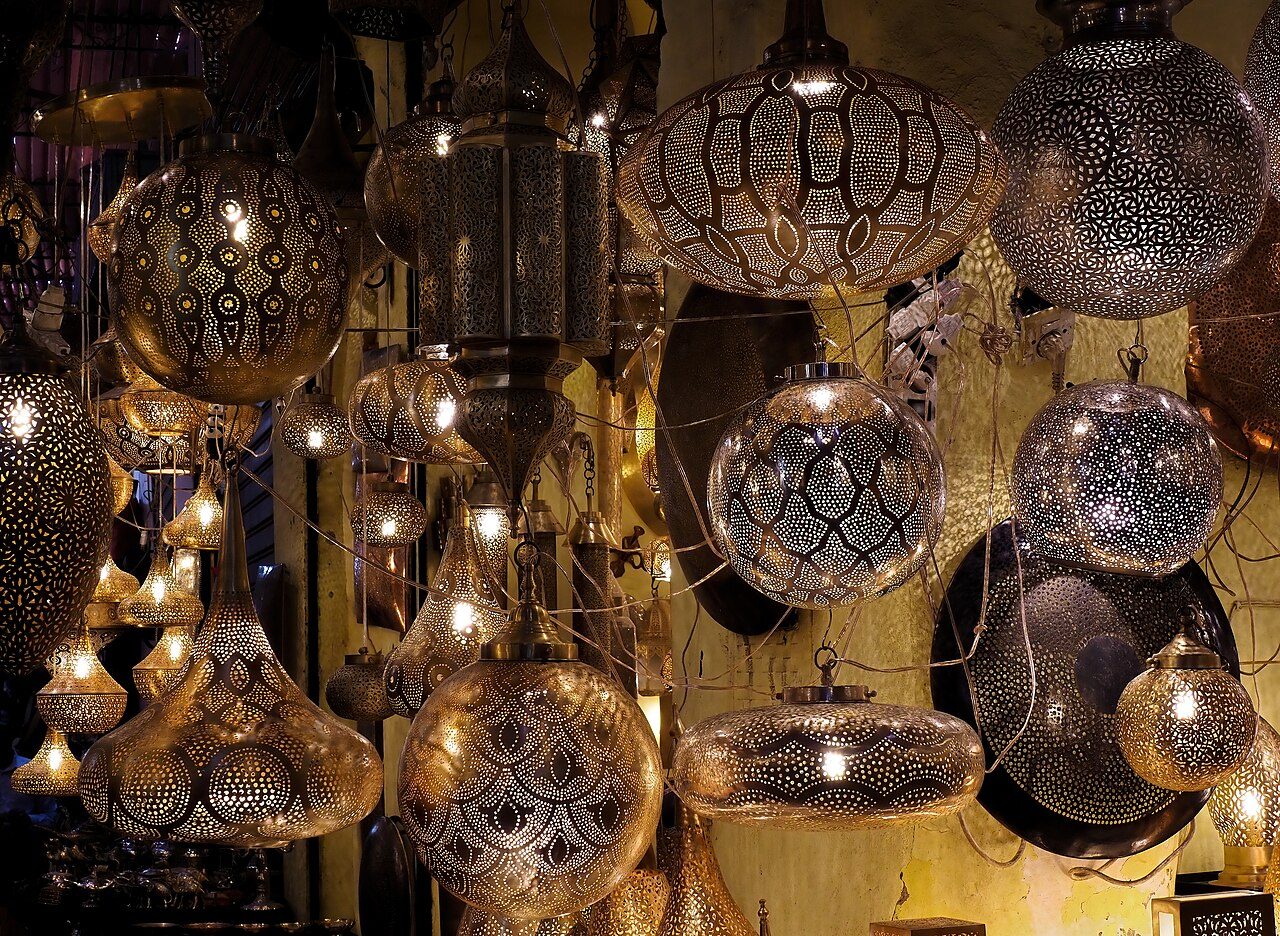
What to buy depends on your taste. Leather goods, such as bags, belts and babouche slippers, are good value, and the best leather is soft and has a pleasant smell rather than a chemical one. Argan oil, spices, saffron and ras el hanout are popular food gifts, though saffron is often fake when it is cheap, so buy from a reputable shop. Metal lanterns, ceramics, woven baskets, rugs and cedar-wood boxes are traditional crafts, and for quality and fixed prices, the government-run Ensemble Artisanal near Koutoubia is a good place to check what things should cost.
Safety in the souks is generally good, but there are scams to avoid. Strangers may claim that the road ahead is closed and offer to take you another way, which leads to a shop, and some might say that a shop you are heading to is closed. Pickpockets operate in the crowds, so wear your bag across your body, and be wary of people who put things in your hand, because then they will demand payment. A polite but firm no, thank you, and continuing to walk is usually enough, and shopkeepers are generally friendly if you show interest.
The souks suit shoppers, photographers, food lovers and anyone who enjoys sensory overload. They are less suited to people who dislike crowds or haggling, or who have difficulty walking on uneven ground. A good plan is to enter at around 9 or 10 in the morning, when shops open and the lanes are quieter, spend a few hours exploring, stop for lunch in a rooftop cafe and finish at Jemaa el-Fnaa as the sun sets. For lodging nearby, see our guide to the <a href="/guide/top-10-hotels-in-marrakech/">top 10 hotels in Marrakech</a>.
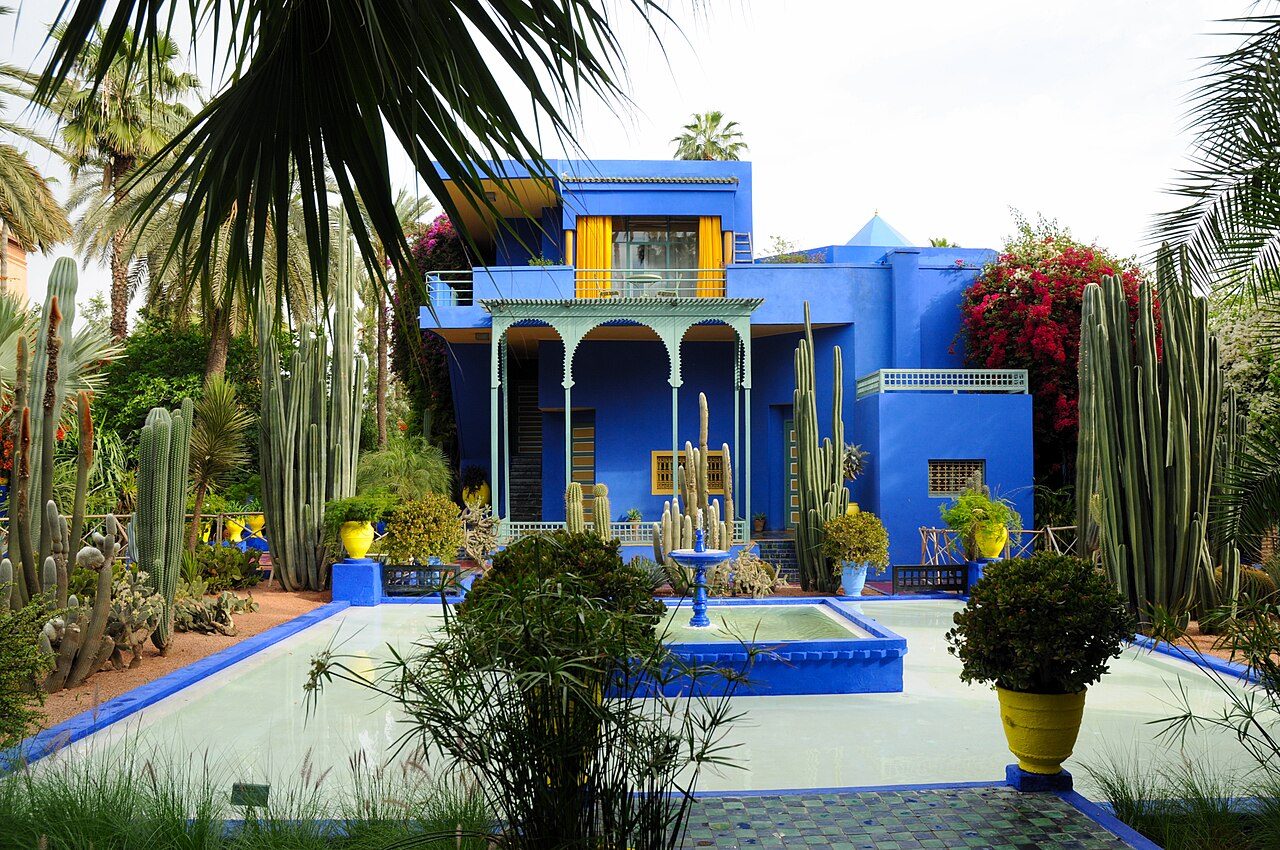
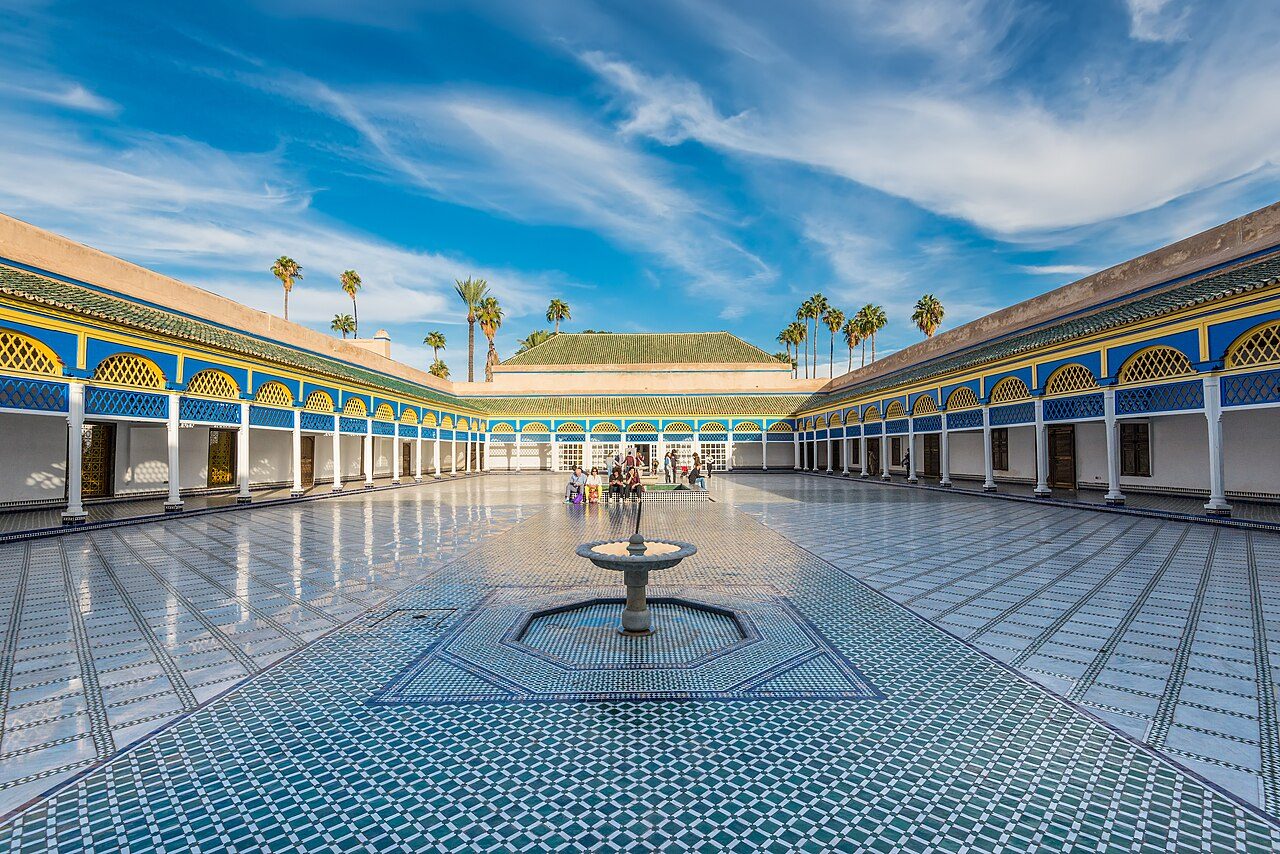
For more of the city, see our guides to Jemaa el-Fnaa, Majorelle Garden and the Bahia Palace, and our food guides to tagine, couscous and pastilla. For budgeting, see Marrakech on $40 a day, and for lodging, see our top 10 hotels in Marrakech and budget hotels in Marrakech.