Southern Thai Curry: What Makes It Different, and What to Try
The difference between southern Thai curries and the styles most visitors already know, plus what to order first.

Southern Thai Curry: Spicier and More Turmeric-Forward
Southern Thai curries stand apart from the central and northern styles most visitors already know — they lean more heavily on turmeric and fresh chilies, giving them a sharper, spicier profile and often a more golden or reddish color. Phuket, sitting in Thailand's south, is a good place to try the region's signature curries, many of which are built around the area's abundance of fresh seafood.
Two Curries Worth Trying
| Curry | What It Is | Heat Level |
|---|---|---|
| Gaeng tai pla | A intensely flavored curry made with fermented fish stomach (tai pla), vegetables, and chili | Very spicy |
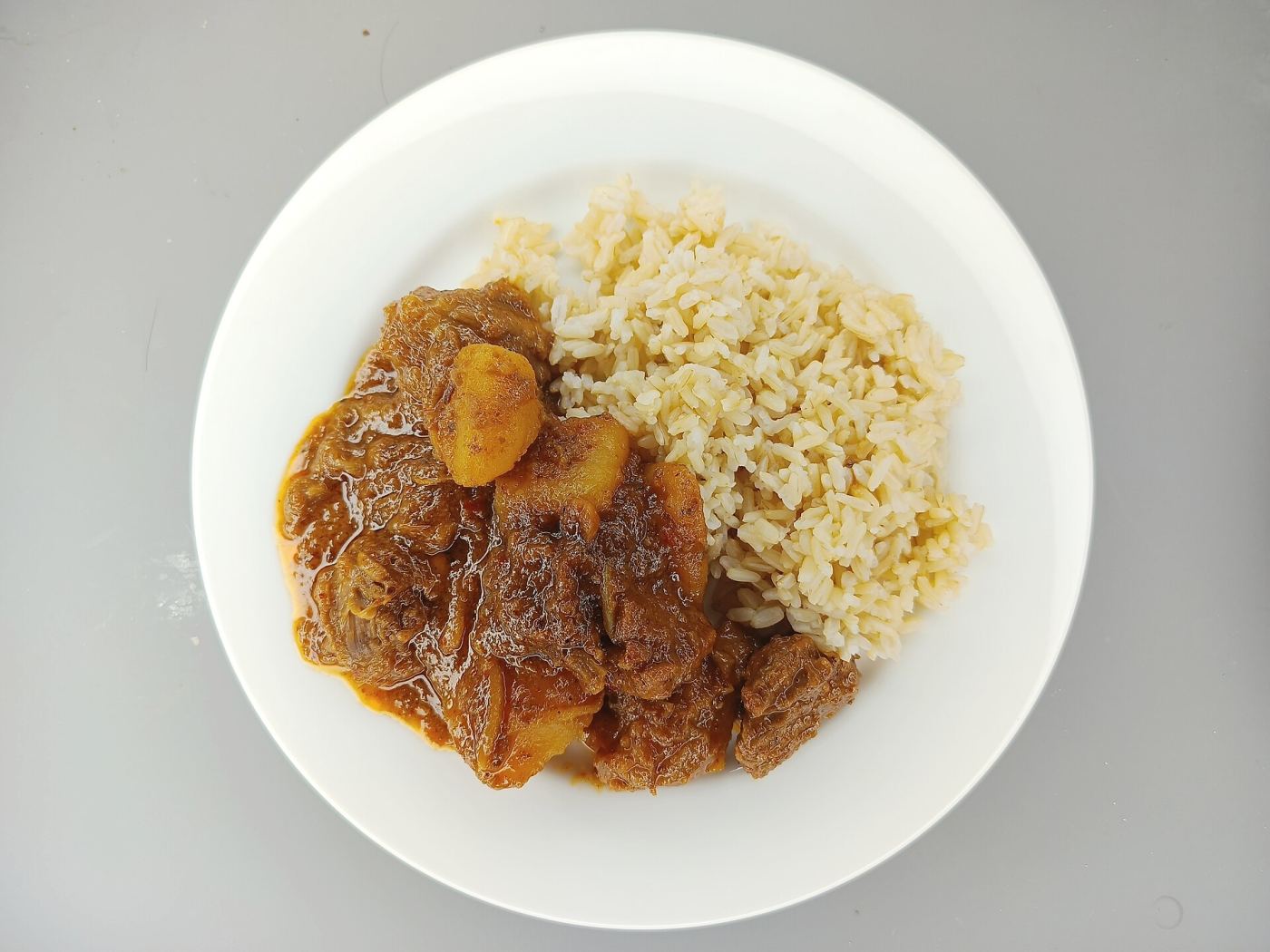
| Massaman | A milder, slightly sweet curry with warm spices like cinnamon and cardamom, often with beef and potato | Mild to moderate |
| Khua kling | A dry, intensely spiced stir-fried curry, usually with minced pork or beef, very little liquid | Spicy |
What to Expect
Gaeng tai pla is genuinely one of the most intensely flavored dishes in Thai cuisine, and it's not uncommon for first-timers to find it overwhelming — its pungency comes specifically from the fermented fish stomach base, which gives it a depth unlike other curries. If you want a gentler introduction to southern Thai flavors, massaman is the safer starting point, since it's milder and more broadly familiar to international palates.
If you're unsure how spicy you can handle, ask for a curry mai phet (not spicy) — most restaurants can adjust the chili level, though gaeng tai pla's flavor is built around the fermented fish base regardless of spice level.


