Rawai: Phuket's Fishing Village and Sea Gypsy Community, Explained
A working fishing settlement with roots in the Urak Lawoi "sea gypsy" culture — and some of the best fresh seafood on the island.

Rawai is one of Phuket's oldest settled areas and the polar opposite of Patong's neon intensity — a low-key southern coastal community built around a working fishing culture that predates the island's tourism boom by generations. There's no real swimming beach here in the conventional sense (the shoreline is rocky and shallow, better suited to boats than sunbathing), which has kept Rawai from becoming a resort strip and instead let it stay what it has been for over a century: a fishing and boating community, now with a genuinely excellent seafood market layered on top.
Rawai's history traces back further than most of Phuket's tourist-facing coastline, tied closely to the Urak Lawoi — the "sea gypsies" or Chao Leh — a nomadic seafaring people who established a permanent settlement here in the late 19th and early 20th centuries after generations of living on boats. Their community, built around animist traditions and honoring sea spirits, transitioned gradually from a fully nomadic existence to a settled one, and their descendants still live in Rawai's Sea Gypsy Village today. The community gained wider national attention in 1959, when King Rama IX visited during a historic trip to Phuket, drawing state-level attention to the Urak Lawoi's culture and circumstances for the first time.
The Sea Gypsy Village sits at the eastern end of Rawai's coastline near the seafood market, a small community of traditional wooden houses on stilts that remains a genuine, functioning fishing settlement rather than a preserved attraction. Nearby, the Rawai Seafood Market has grown from what was once simply a spot to buy the day's local catch into a lively hub where visitors select live prawns, crabs, squid, clams, oysters, and lobster directly from the stalls, then have it cooked to order at one of the adjacent restaurants — a genuinely hands-on seafood experience that's hard to replicate elsewhere on the island.
| Time | Atmosphere | Best For |
|---|---|---|
| Morning | Quiet, fishing boats returning with the day's catch | Watching the fishing community at work |
| Midday-afternoon | Seafood market busiest, restaurants filling up | Selecting fresh seafood and eating lunch |
| Evening | Restaurants busy for dinner, calmer than daytime market bustle | A relaxed seafood dinner with sunset views |
| Weekends | Slightly busier with day-trippers from other parts of Phuket | Still comfortably less crowded than Patong or Kata |
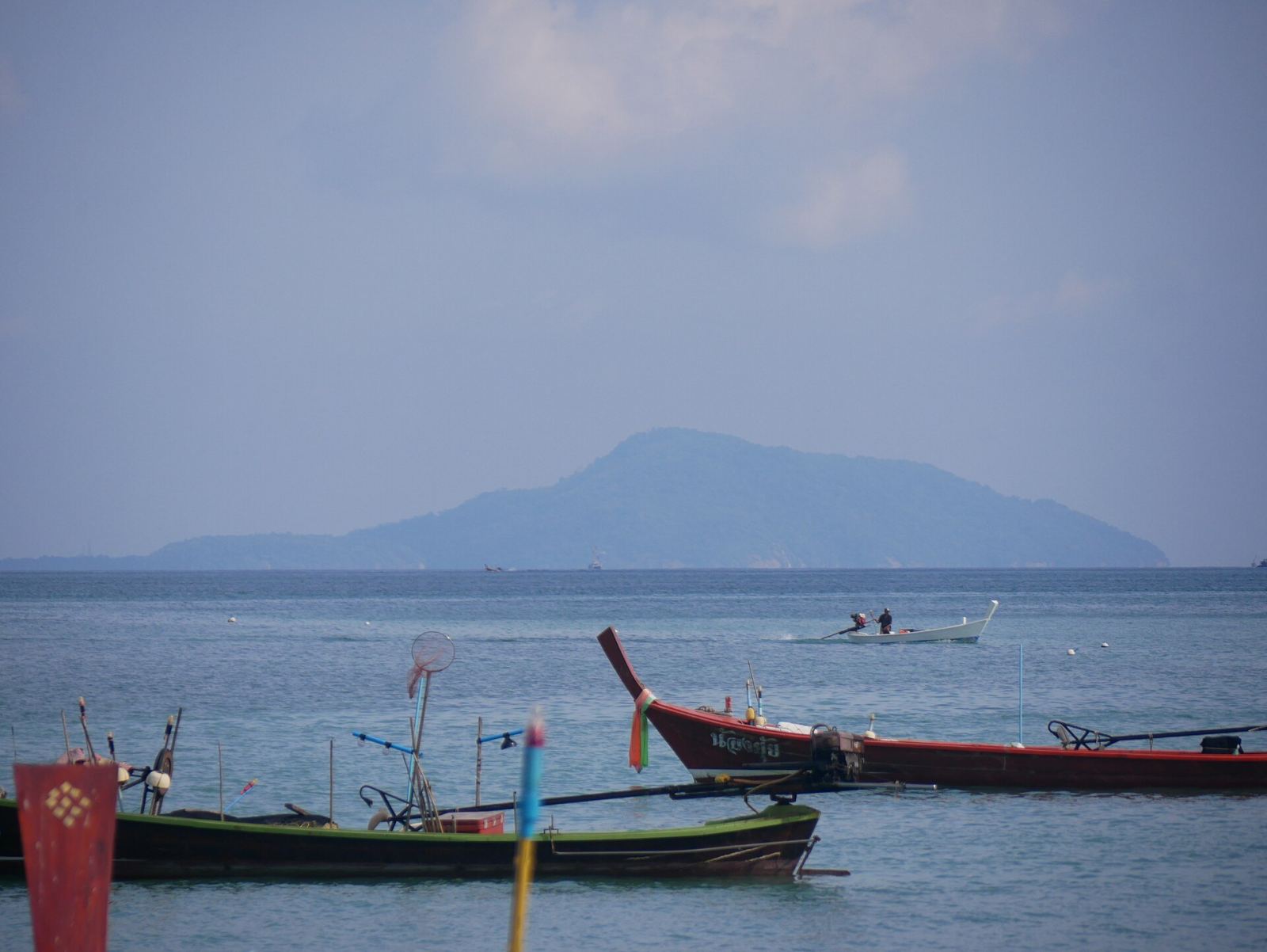
The contrast between Rawai and Phuket's more developed west-coast beach towns is worth experiencing directly rather than just reading about — the same island that produces Patong's neon intensity also produces mornings in Rawai quiet enough to hear boat engines idling and fishermen calling to each other across the water, a reminder of how much variety exists within a single relatively small island once you move beyond the handful of most-promoted beaches. Staying in Rawai rather than just visiting for an afternoon gives an even fuller sense of that slower pace, since the area empties out considerably once the day-trip crowd heads back toward the west coast in the evening.
Negotiating prices at Rawai Seafood Market is expected and part of the experience — approach it good-naturedly rather than aggressively, and factor in that you'll typically also pay a separate, modest cooking fee to whichever restaurant prepares your selection.
The Urak Lawoi community's traditions remain genuinely alive in Rawai rather than existing purely as a historical footnote — annual boat-floating ceremonies honoring their ancestors and sea spirits still take place, drawing on customs that predate Thai Buddhist influence in the region. Visitors are generally welcome to observe respectfully, though it's worth remembering that the Sea Gypsy Village is a real community's home, not a cultural performance staged for tourism.
Rawai also serves as the main departure point for boat trips to several nearby islands — Koh Bon, Koh Kaew Yai, and Koh Racha among them — making it a practical base for island-hopping without needing to travel to Phuket's busier piers elsewhere on the island. The area's lack of a conventional swimming beach, often seen as a drawback by first-time visitors, is part of what has kept Rawai from over-developing the way Patong and Karon have, preserving both its fishing-village character and noticeably lower prices for accommodation and food.
Rawai sits at the southern end of the island, a manageable drive from Patong, Karon, and Kata, and it makes a good pairing with a visit to the nearby Big Buddha, which sits on the hillside above. For more of the island's seafood culture, see our guide to Grilled Seafood in Phuket.
Rawai sits roughly 20-25 minutes by car or taxi from Patong, and about 30-40 minutes from Phuket Town, depending on traffic. There's no rail or major bus network directly serving the area, so a rental car, taxi, or Grab ride is the standard way to get there. Songthaews also run between Phuket Town and Rawai on a scheduled route for a considerably cheaper, if slower, alternative.
For anyone weighing where to spend a Phuket afternoon, Rawai offers something genuinely distinct from the island's more heavily marketed beaches — not a sunbathing destination, but a working coastal community with real seafood, real fishermen, and a cultural history that stretches back considerably further than most of the resorts sharing the same coastline.
Frequently Asked Questions
Development pressure has crept toward Rawai in recent years as the rest of southern Phuket has filled in with resorts and villas, and prices for both land and everyday goods have risen accordingly compared to a decade ago. Even so, Rawai has retained noticeably more of its working-community character than comparable coastal areas elsewhere on the island, largely because the rocky, non-swimmable shoreline never made it an obvious target for large-scale beach-resort development in the first place.


