V&A Waterfront: Cape Town's Historic Harbor Turned Shopping and Dining District
A working harbor since the 1860s, now the gateway to Robben Island and one of Africa's most visited attractions.

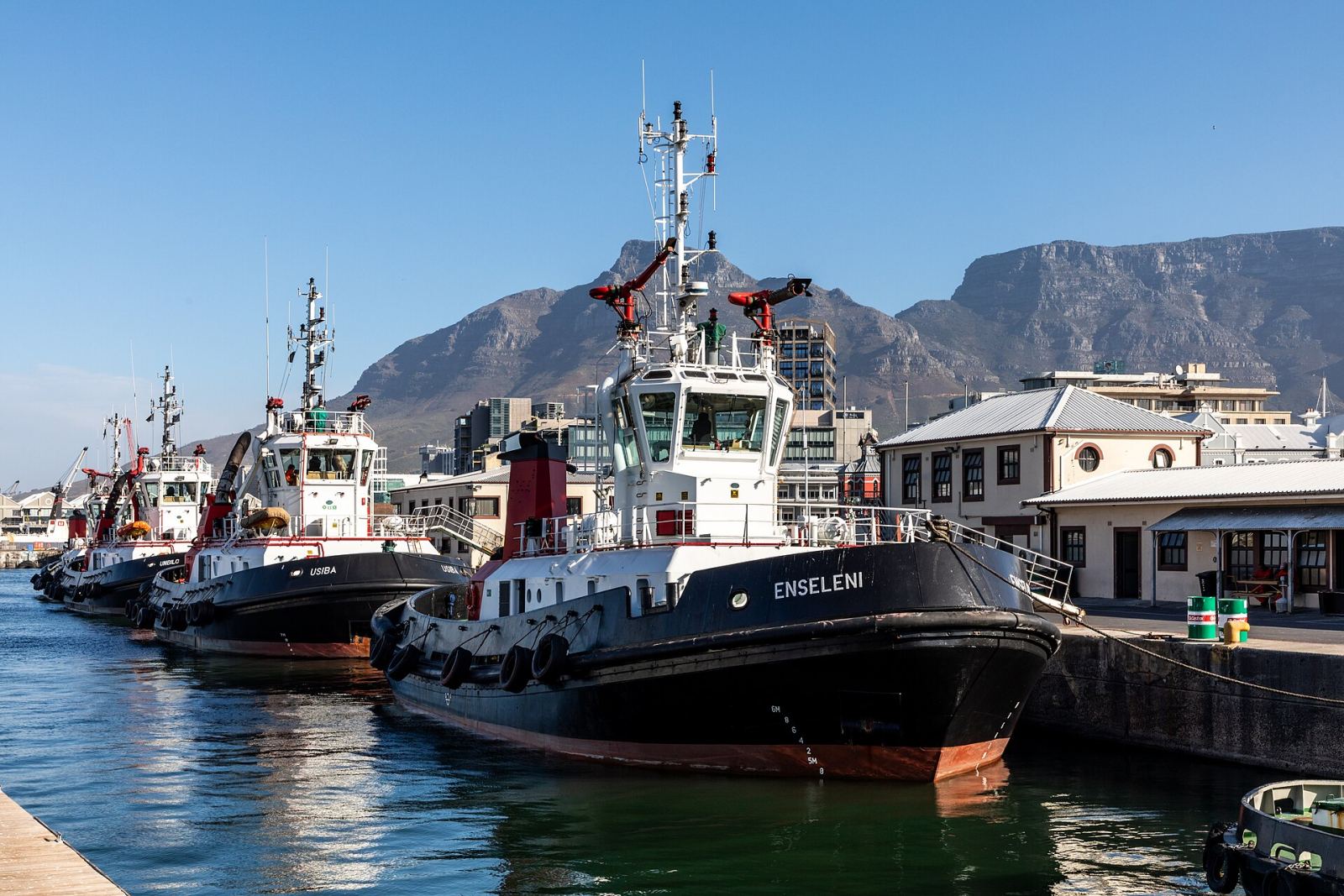
The Victoria & Alfred Waterfront, almost always shortened to the V&A Waterfront, is Cape Town's most-visited attraction and one of the most-visited destinations in all of Africa, built around a genuinely working harbor rather than a purely manufactured one. Set at the foot of Table Mountain on the edge of Table Bay, it combines a historic dock still used by tugboats and fishing vessels with a large, modern complex of shopping malls, restaurants, hotels, museums, and the ferry terminal that serves as the departure point for Robben Island, making it one of the few places in the city where maritime history and contemporary tourism sit directly on top of each other.
The harbor's story goes back to 1860, when Prince Alfred, Queen Victoria's second son, tipped the first load of stone into the water to begin construction of a proper breakwater — the Waterfront takes its name from Victoria and Alfred rather than, as many assume, from the British queen alone. The maritime activity on this stretch of coastline actually predates that formal construction by two centuries, and the harbor has remained continuously operational ever since, which is why cruise ships, tugboats, and small fishing vessels still share the water with tour boats and pleasure craft today.
The Waterfront's shift from working harbor to mixed-use destination happened gradually from the 1980s onward, and today the complex holds 22 officially recognized heritage landmarks alongside its shops and restaurants. The Chavonnes Battery, built in the early 1800s on the foundations of an earlier Dutch fortification, and the Dock House, once home to the Harbour Master in the 1870s, are among the most significant historic structures still standing, both preserved and open to visitors rather than simply left as backdrop. The red-and-white Clock Tower, dating to 1882, remains the most photographed of the group and marks the entrance to the Alfred Basin.
| Time | Atmosphere | Best For |
|---|---|---|
| Early morning | Quiet, working boats visible, soft light | Photography and a peaceful harbor walk |
| Midday | Busy with tour groups and shoppers | Shopping and the Two Oceans Aquarium |
| Sunset | Golden light over the water and mountain | The Cape Wheel and harborside dinner |
| Evening | Restaurants and bars fill, lively but relaxed | Waterfront dining with live music |
Beyond the shops, the Waterfront's attractions cover a genuinely wide range. The Two Oceans Aquarium showcases marine life from both the Atlantic and Indian Ocean sides of the Cape, the Cape Wheel offers sweeping views over the harbor, city, and mountain from its highest point, and the Waterfront Craft Market is a reliable stop for South African textiles, jewelry, and curios that skew more toward genuine local craftsmanship than some of the more generic souvenir shops nearby. For most visitors, though, the Waterfront's single most important function is practical: it's the departure point for ferries to Robben Island, the former prison where Nelson Mandela was held for 18 of his 27 years of incarceration.
Ferries to Robben Island depart from the Nelson Mandela Gateway at the Waterfront and sell out regularly, especially in peak summer months. Book tickets online several days in advance rather than assuming you can walk up and buy them the same day, since same-day availability is unreliable.
Dining at the Waterfront ranges from quick harborside takeout stalls to some of Cape Town's more polished sit-down restaurants, many with direct water views over the working harbor or out toward Table Mountain. Because the complex draws such heavy year-round foot traffic, reservations are worth making for dinner at the more popular spots, particularly on weekends, though the sheer number of options along the harbor's edge means there's rarely a genuine shortage of places willing to seat walk-ins.
The V&A Waterfront is close enough to central Cape Town accommodation that many visitors reach it on foot or by a short rideshare ride, and it's well served by the city's MyCiTi bus rapid transit system for those staying further out. Large parking garages are available on-site for visitors driving in, though during peak season and weekends they do fill, so arriving earlier in the day or allowing extra time to find a space is worth planning for.
The Waterfront's popularity does mean it can feel considerably more polished and commercial than much of the rest of Cape Town, closer in spirit to an upscale international shopping district than to the working-class harbor it grew out of, and some visitors find that contrast worth keeping in mind when deciding how much time to allocate here versus other parts of the city. That said, the working harbor itself — the tugboats, the fishing fleet, the ongoing ship repairs visible from several of the public walkways — keeps a genuine layer of authenticity running underneath the retail, and it's worth deliberately seeking out those quieter harborside stretches rather than staying only within the mall buildings.
Seal sightings around the working harbor are common and largely informal — a handful of Cape fur seals have made the docks their home for years, drawing small crowds whenever one hauls out onto a jetty, and it's one of the few genuinely free wildlife encounters available anywhere in the complex.