Hanoi vs Ho Chi Minh City: Which Should You Visit First?
Most Vietnam trips visit both Hanoi and Ho Chi Minh City — the real question is which one to fly into first. Here's how the two compare.
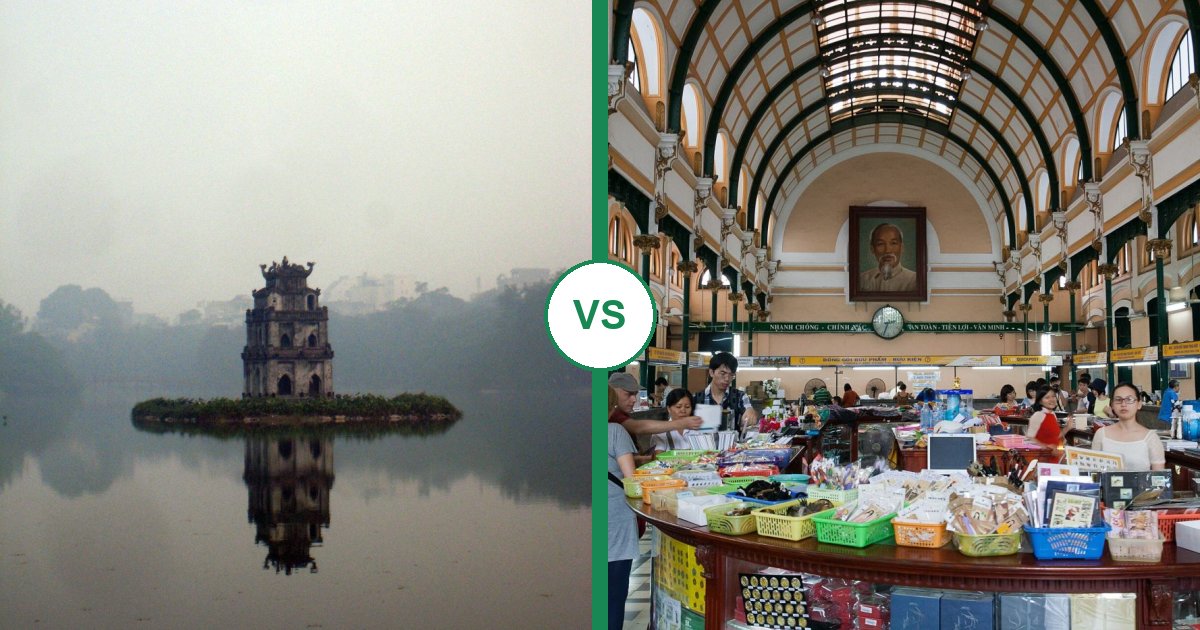
Unlike most city match-ups, Hanoi vs Ho Chi Minh City usually isn't an either/or — most Vietnam trips visit both, connected by an overnight train, a two-hour flight, or a longer route through Hoi An and Da Nang in between. The real question is which one to fly into first. Hanoi is the northern capital: French colonial architecture, a maze-like Old Quarter, and a cooler, more historic feel. Ho Chi Minh City (Saigon) is the southern engine room: faster, louder, more modern, and noticeably warmer year-round. Neither is objectively better — they're genuinely different cities that happen to share a country.
Hanoi vs Ho Chi Minh City at a Glance
🏯 The Case for Hanoi
Hanoi's Old Quarter is one of Southeast Asia's great walkable city centers — narrow streets named for the goods historically traded on them, still dense with vendors, street food stalls, and beer corners. The French Quarter adds a layer of colonial-era architecture around the Opera House, and sights like the Ho Chi Minh Mausoleum and Temple of Literature give the city real historical depth. Hanoi is also the natural jumping-off point for Ha Long Bay and Sapa, and its cooler, more four-season climate is a welcome change if you're coming from the tropics further south.

🏍️ The Case for Ho Chi Minh City
Saigon moves at a different speed — motorbikes fill every street, the skyline is taller and newer, and the city's energy is the main draw as much as any single landmark. History runs deep here too: the Cu Chi Tunnels and War Remnants Museum are essential, sobering half-days, while French-colonial holdovers like Notre Dame Cathedral and the Central Post Office sit a short walk from glass towers like the Bitexco Financial Tower. Saigon is also warmer and more humid year-round than Hanoi, and closer to the Mekong Delta for day trips.

🗺️ Side-by-Side Comparison
| Hanoi | Ho Chi Minh City | |
|---|---|---|
| Vibe | Historic, walkable, cooler climate | Fast-paced, modern, warmer year-round |
| Best for | Old Quarter, colonial history, day trips north | Energy, war history, day trips to the Mekong |
| Getting around | Walking + taxi in the Old Quarter | Taxi/rideshare — distances are larger |
| Nightlife | Bia hoi beer corners, Ta Hien Street | Bui Vien Walking Street |
| Climate | Cooler, distinct seasons | Warm and humid year-round |
🍽️ Food: What You'll Actually Eat
Hanoi is widely considered Vietnam's food capital. Bun cha and Old Quarter street food — the dish Anthony Bourdain famously ate with Barack Obama — is the essential meal, and egg coffee, a rich, custard-like coffee invented in Hanoi during a 1940s milk shortage, is a genuinely unique local specialty worth seeking out.
Saigon's food scene is faster and more street-cart driven. Com tam (broken rice with grilled pork) is the city's defining everyday dish, and a banh mi and ca phe sua da crawl — Vietnamese iced coffee with condensed milk — covers the two things Saigon does better than almost anywhere else in the country.
🎯 Top Places of Interest
Hanoi's essential sights center on its history. The Old Quarter rewards simply wandering its 36 historic streets. The Ho Chi Minh Mausoleum complex is a required, formally-dressed visit for most travelers. And the Temple of Literature, Vietnam's first national university, is one of the best-preserved traditional sites in the city.
Saigon's sights split between war history and colonial architecture. The Cu Chi Tunnels and War Remnants Museum together make for a heavy but essential day. And downtown, Notre Dame Cathedral and the Central Post Office sit a short walk from the Bitexco Financial Tower and Ben Thanh Market, the clearest contrast between old and new Saigon.
💰 Daily Budget Breakdown
| Hanoi | Ho Chi Minh City | |
|---|---|---|
| Accommodation | $7–$10 | $6–$9 |
| Food | $5–$8 | $5–$7 |
| Transport | $2–$4 | $2–$4 |
| Activities | $2–$4 | $2–$4 |
| Daily Total | ~$22 | ~$20 |
Saigon runs slightly cheaper day to day, but the gap is small enough that it shouldn't drive the decision. See our full breakdowns in Hanoi on $22 a Day and Ho Chi Minh City on $20 a Day.
🏨 Where to Stay
Both cities have a landmark hotel worth knowing about even if you book elsewhere. See our full Top 10 Hotels in Hanoi and Top 10 Hotels in Ho Chi Minh City for the complete rankings.
Hanoi Pick: Sofitel Legend Metropole Hanoi
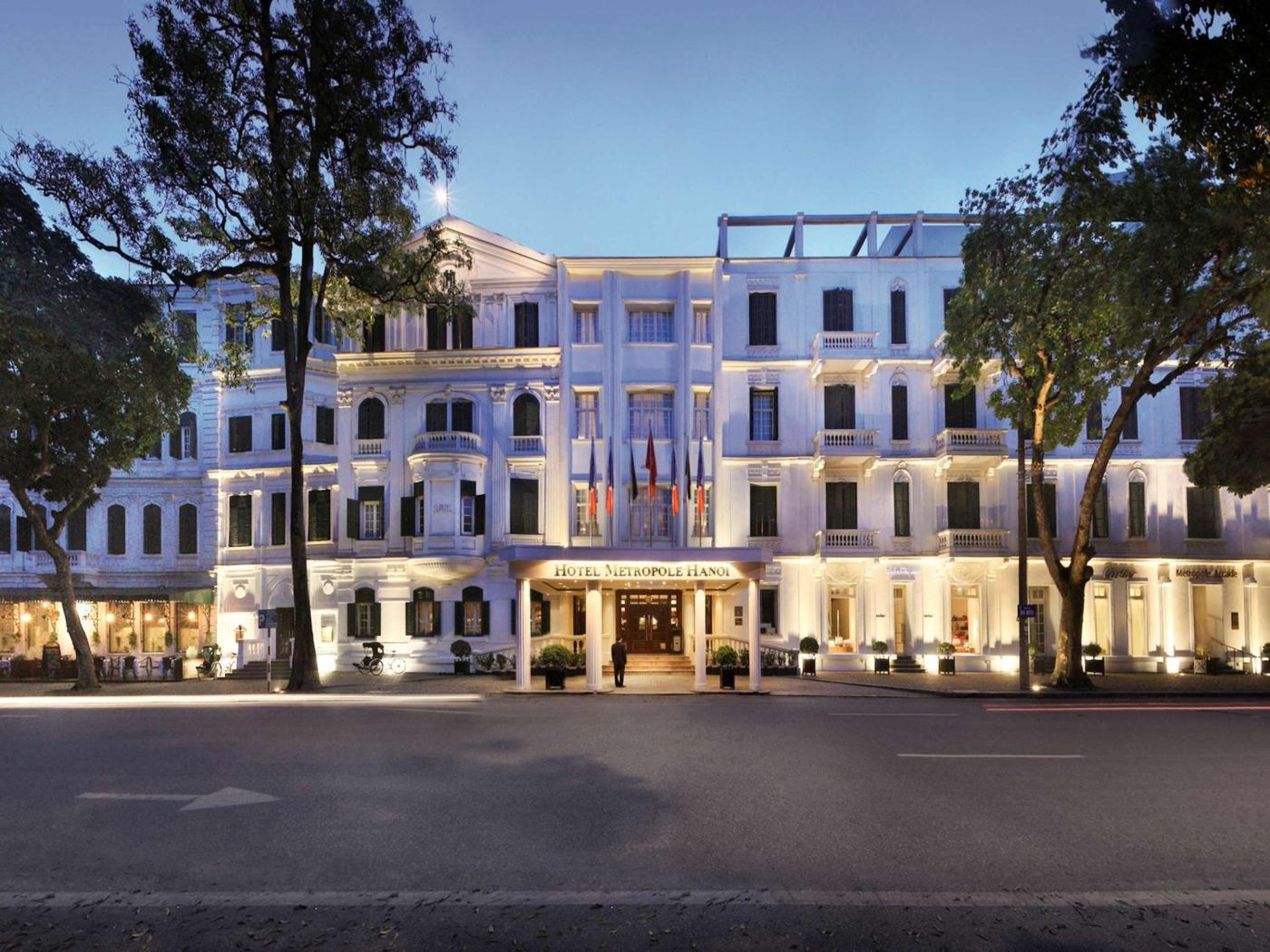
Open since 1901 and set in the French Quarter, the Metropole has hosted everyone from Graham Greene to modern heads of state — as close as Hanoi gets to a single defining hotel.
Saigon Pick: The Reverie Saigon

The highest-rated hotel in the city, occupying the upper floors of the Times Square Building on Nguyen Hue Boulevard, every room and public space custom-designed by Italian craftspeople — Saigon's answer to Hanoi's colonial-era grandeur, just built four decades later and several stories higher.
Booking.com
Check Rates & Book →Agoda
Check Rates & Book →Trip.com
Check Rates & Book →Expedia
Check Rates & Book →🧭 Can You Do Both?
This is really the default rather than the exception. Hanoi and Ho Chi Minh City are about a two-hour direct flight apart, and most Vietnam itineraries treat them as bookends — fly into one, travel overland through Hue, Hoi An, and Da Nang in between, and fly out of the other. If you're short on time, an overnight sleeper train between the two is also a genuinely enjoyable way to cover the distance without losing a travel day. The question isn't whether to see both, it's which one to start with — and that usually comes down to which flights are cheaper from home.
✅ The Verdict
If you have a week or less, pick whichever has the better flight price and treat it as your Vietnam trip. If you have ten days or more, do both — Hanoi first for history and cooler weather, then work south to Saigon for the energy and warmth, or the reverse. Budget-wise the two are close enough that it shouldn't be the deciding factor.

