Hanoi vs Tokyo: Which Should You Choose?
A budget-friendly historic capital or the world's largest food-obsessed metropolis — Hanoi and Tokyo deliver very different trips at very different prices.

Hanoi and Tokyo both draw travelers with strong food scenes and real historical depth, but the scale and cost of each trip couldn't be more different. Hanoi is compact, walkable, and inexpensive — an Old Quarter built for wandering at a genuinely low daily cost. Tokyo is the world's largest metropolis, food-obsessed and vast, running well over double Hanoi's budget.
Hanoi vs Tokyo at a Glance
🏯 The Case for Hanoi
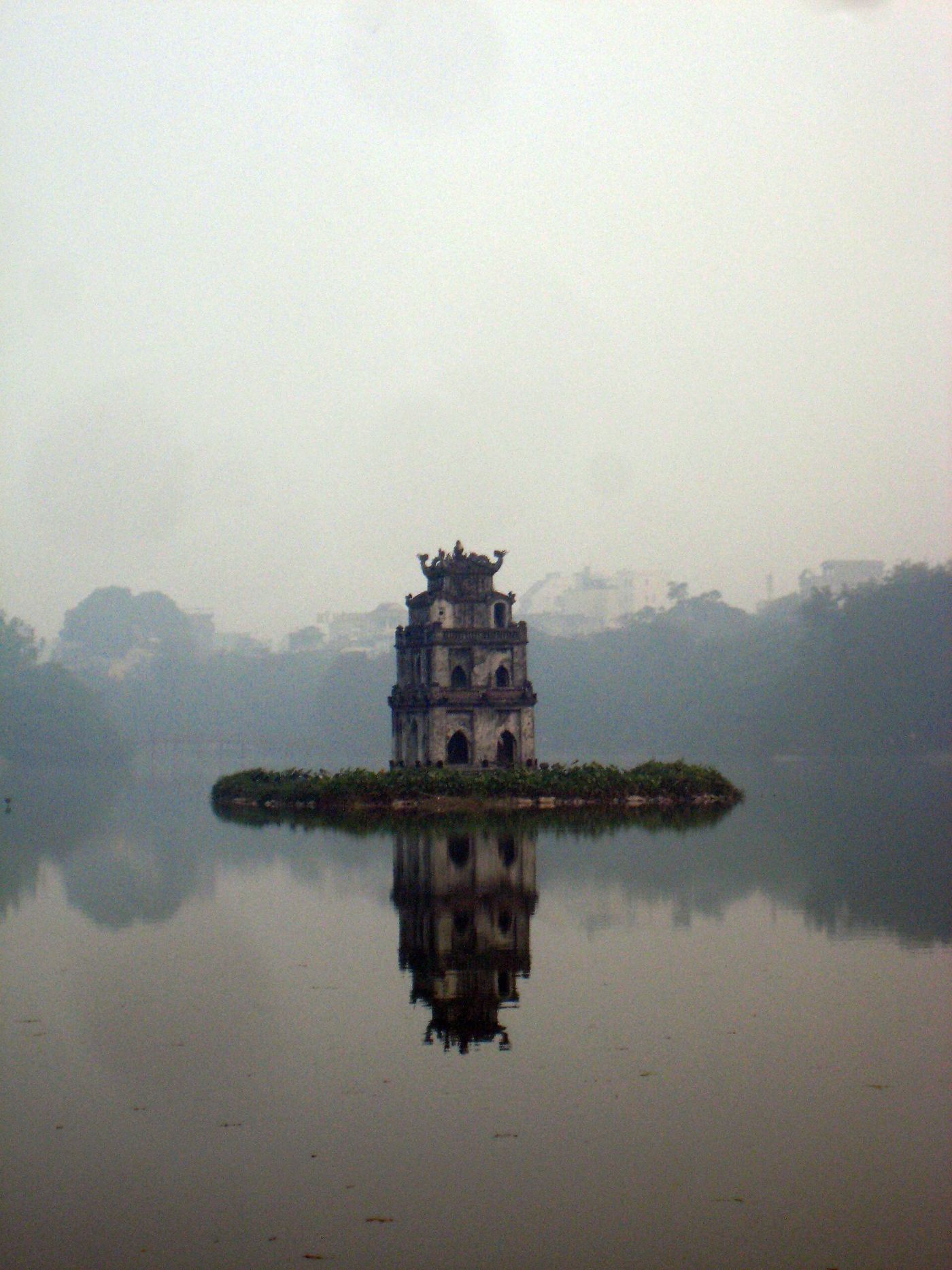
Hanoi's Old Quarter is one of Southeast Asia's great walkable city centers — narrow streets still organized by historic trade, dense with street food stalls and beer corners. The French Quarter adds colonial-era architecture, and the whole trip runs at a fraction of what a comparable Tokyo stay costs.
🗼 The Case for Tokyo
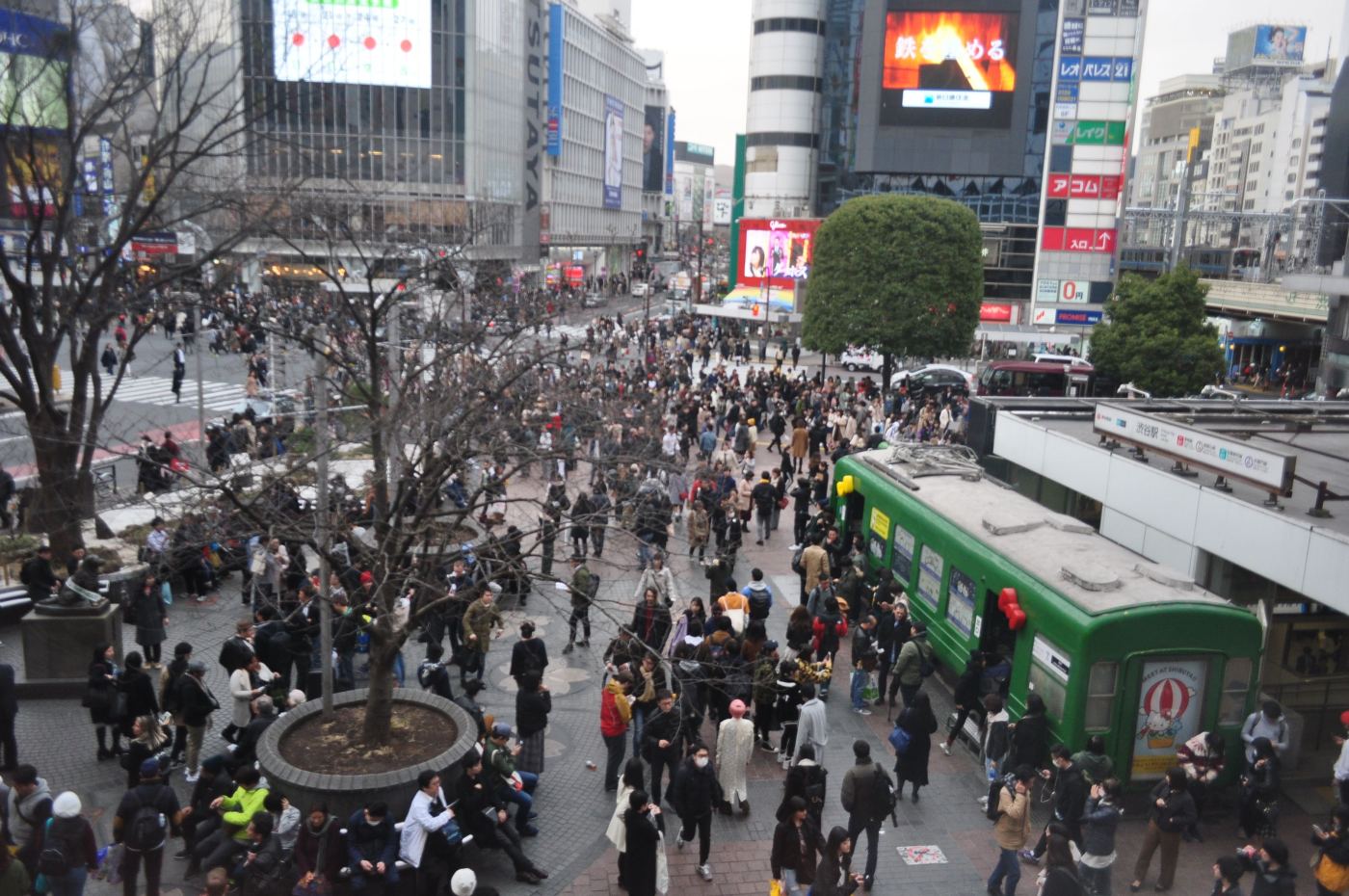
Tokyo is built on scale and variety — the food scene runs from Michelin-starred sushi counters to standing-room ramen shops, and Shibuya Crossing remains one of the most-photographed urban scenes anywhere. Tokyo rewards repeat visits and simply operates on a different scale than Hanoi's more compact, walkable core.
🗺️ Side-by-Side Comparison
| Hanoi | Tokyo | |
|---|---|---|
| Vibe | Historic, walkable, budget-friendly | Modern, fast-paced, endless variety |
| Best for | Old Quarter, colonial history | Food scene, shopping, scale |
| Getting around | Walking + taxi | Extensive metro/rail network |
| Cost level | Very affordable | Meaningfully pricier |
| Distance apart | ~5.5–6 hour direct flight | — |
🍽️ Food: What You'll Actually Eat
Hanoi is widely considered Vietnam's food capital. Bun cha and Old Quarter street food is the essential meal, and egg coffee is a genuinely unique local specialty.
Tokyo's food scene is famously deep. Ramen ranges from standing-room counters to hour-long queues, and sushi spans everything from market stalls to reservation-only omakase.
🎯 Top Places of Interest
Hanoi's essential sights center on its history. The Old Quarter rewards simply wandering its historic streets, and the Ho Chi Minh Mausoleum complex is a required visit for most travelers.
Tokyo's essentials are spread across the city. Shibuya Crossing is the classic first stop, and Senso-ji Temple covers the more traditional side of Asakusa.
💰 Daily Budget Breakdown
| Hanoi | Tokyo | |
|---|---|---|
| Accommodation | $7–$10 | $18–$25 |
| Food | $5–$8 | $12–$18 |
| Transport | $2–$4 | $5–$8 |
| Activities | $2–$4 | $5–$10 |
| Daily Total | ~$22 | ~$50 |
Hanoi, by a wide margin. See our full breakdowns in Hanoi on $22 a Day and Tokyo on $50 a Day.
🏨 Where to Stay
Both cities have a landmark hotel worth knowing. See our full Top 10 Hotels in Hanoi and Top 10 Hotels in Tokyo for the complete rankings.
Hanoi Pick: Sofitel Legend Metropole Hanoi
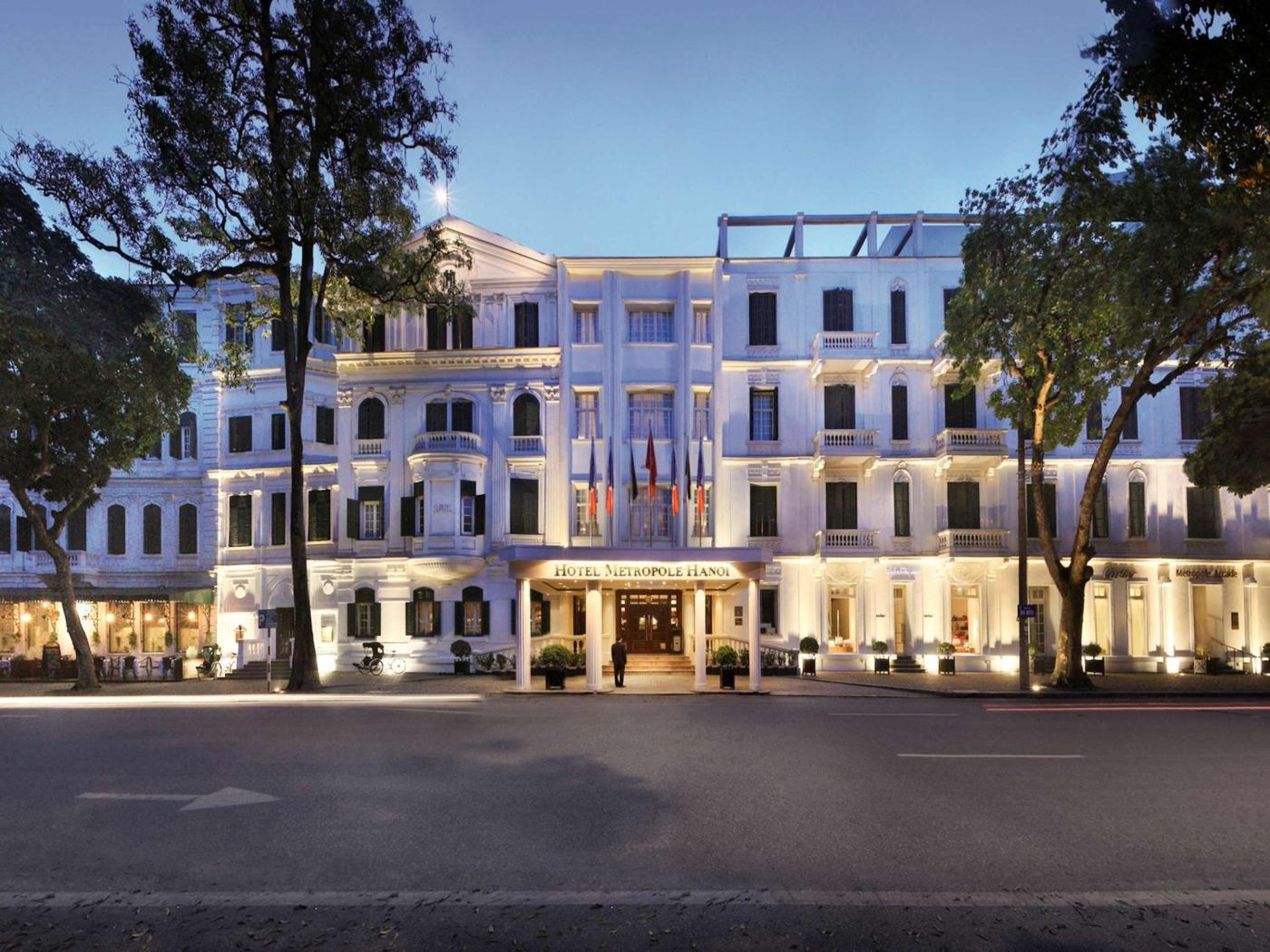
Open since 1901 and set in the French Quarter, the Metropole has hosted everyone from Graham Greene to modern heads of state.
Tokyo Pick: PROSTYLE Ryokan Tokyo Asakusa

The highest-rated hotel on Tokyo's full list at 9.6 out of 10, blending traditional ryokan design with modern comforts.
Booking.com
Check Rates & Book →Agoda
Check Rates & Book →Trip.com
Check Rates & Book →Expedia
Check Rates & Book →🧭 Can You Do Both?
It's possible on a longer trip — Hanoi and Tokyo are roughly 5.5–6 hours apart by direct flight, a manageable but real detour. Most travelers treat them as separate trips given how different the pace and cost are, though combining both works if you have two to three weeks.
✅ The Verdict
Choose Hanoi for colonial history, walkability, and a genuinely low budget. Choose Tokyo for food, scale, and modern energy, accepting a meaningfully higher daily cost. These are different trips more than close competitors — let your budget and the pace you want make the call.

