Tokyo vs Bangkok: Which Should You Choose?
The world's largest food-obsessed metropolis or a budget capital of temples and street food — Tokyo and Bangkok sit at very different price points.

Tokyo and Bangkok are both major food-driven Asian capitals, but the daily cost tells you most of what you need to know before landing — Tokyo runs double Bangkok's budget. Tokyo is vast, modern, and food-obsessed at a premium price; Bangkok is temple-dense, chaotic, and genuinely cheap, with street food that's arguably the best in the world for the price.
Tokyo vs Bangkok at a Glance
🗼 The Case for Tokyo
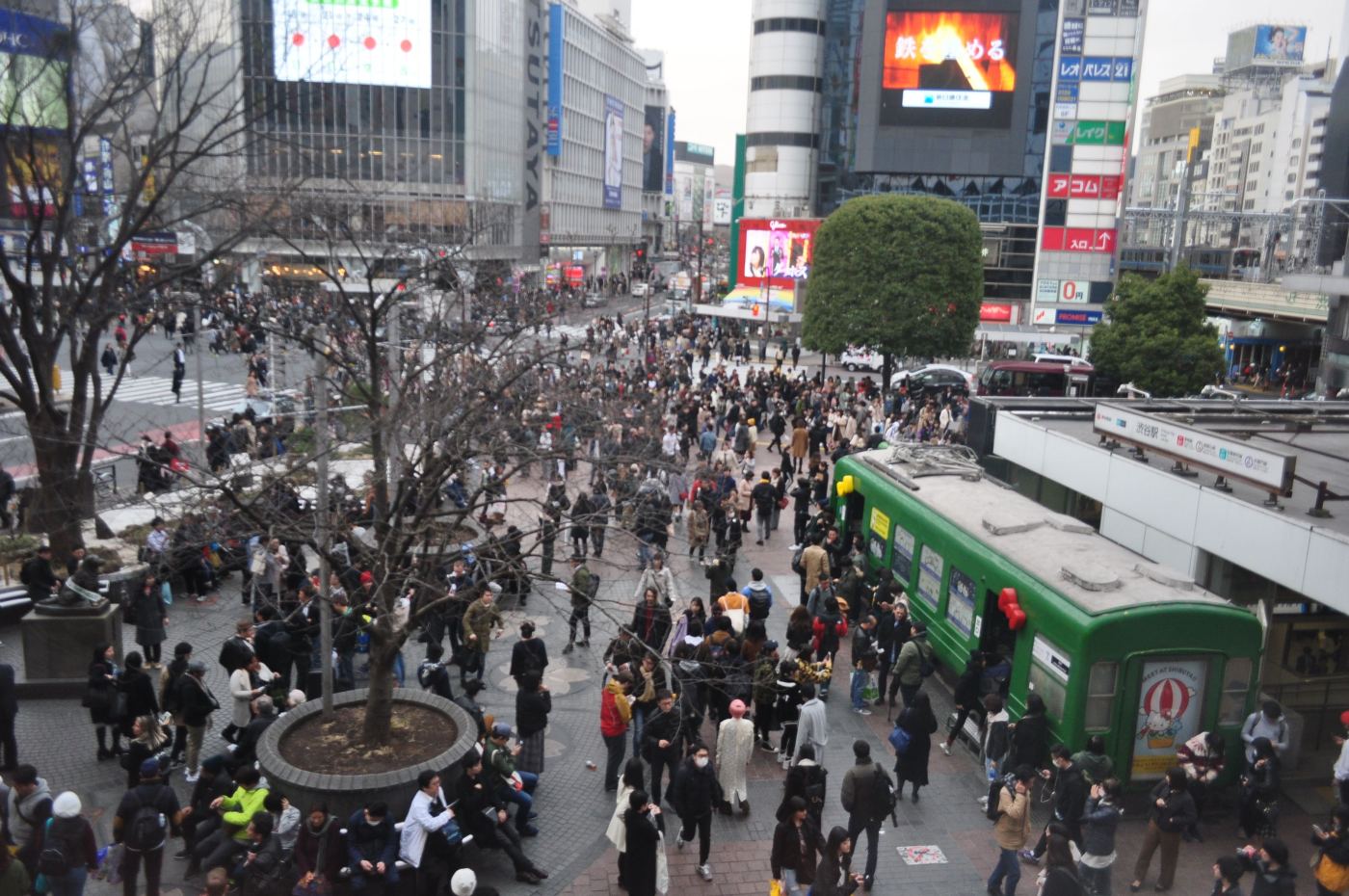
Tokyo is built on scale and variety — the food scene runs from Michelin-starred sushi counters to standing-room ramen shops, and Shibuya Crossing remains one of the most-photographed urban scenes anywhere. Tokyo rewards repeat visits and simply operates on a different scale than Bangkok.
🛕 The Case for Bangkok
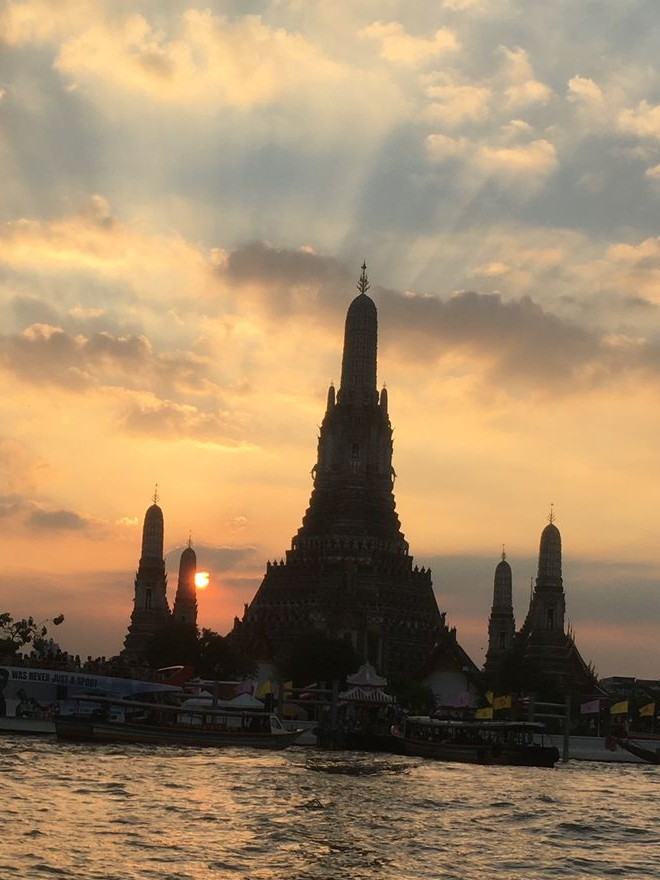
Bangkok trades Tokyo's scale for temple-dense chaos and genuinely world-class value — the Grand Palace and Wat Arun rank among Southeast Asia's most impressive religious sites, and pad thai and tom yum are better from a street cart than most restaurants manage. Chatuchak Weekend Market alone is worth a full day, and the whole trip costs half of Tokyo's.
🗺️ Side-by-Side Comparison
| Tokyo | Bangkok | |
|---|---|---|
| Vibe | Modern, fast-paced, endless variety | Loud, chaotic, sensory-heavy |
| Best for | Food scene, shopping, scale | Street food, temples, markets |
| Getting around | Extensive metro/rail network | BTS/MRT + taxis |
| Cost level | Meaningfully pricier | Genuinely budget-friendly |
| Distance apart | ~6.5–7 hour direct flight | — |
🍽️ Food: What You'll Actually Eat
Tokyo's food scene is famously deep. Ramen ranges from standing-room counters to hour-long queues, and wagyu beef is worth the splurge.
Bangkok's street food needs little introduction. Pad thai from a proper cart is essential, and tom yum goong is worth a real restaurant visit.
🎯 Top Places of Interest
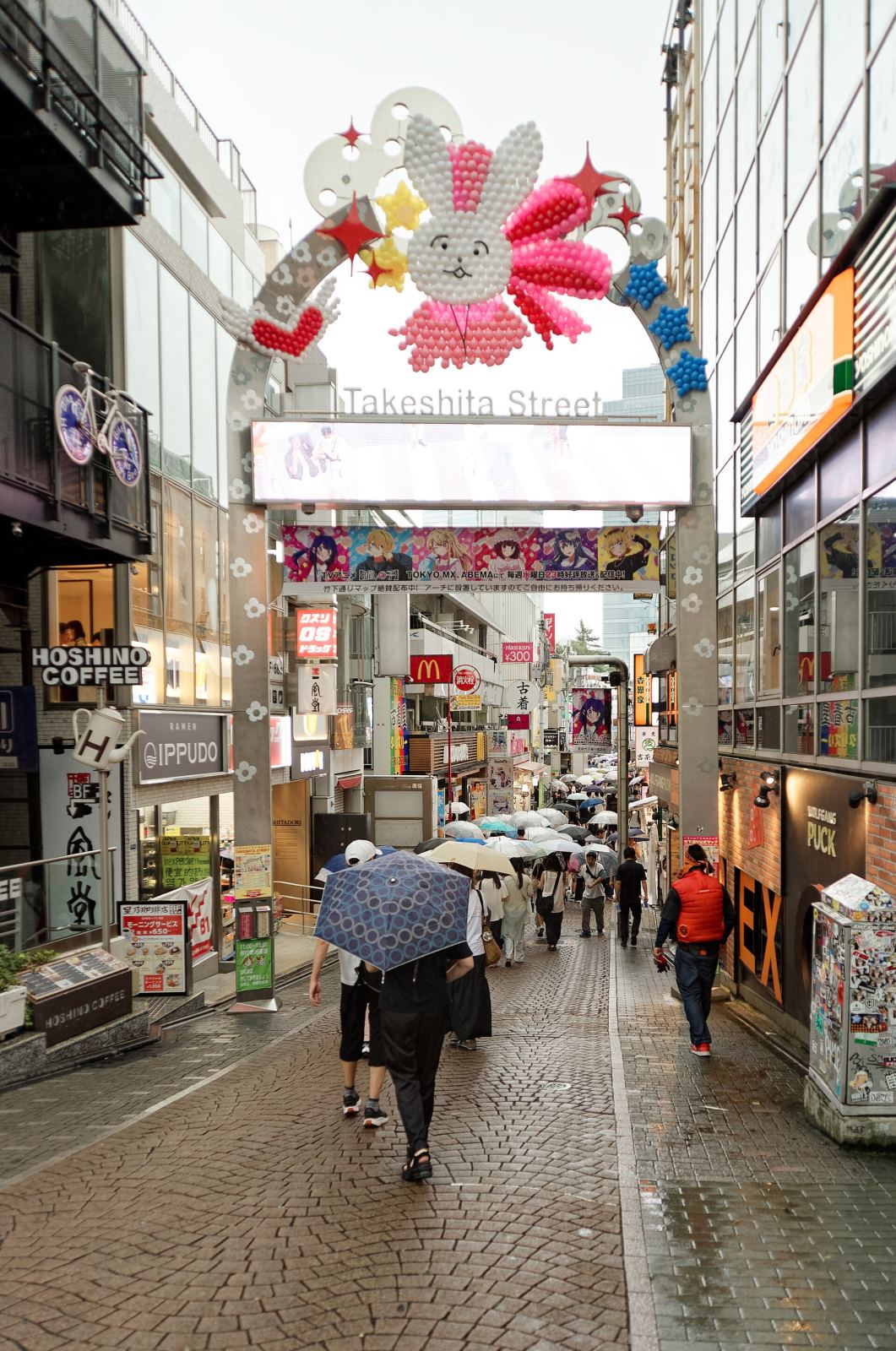
Tokyo's essentials are spread across the city. Shibuya Crossing is the classic first stop.
Bangkok's sights lean toward temples and markets. The Grand Palace and Wat Arun make an essential half-day route, and Chatuchak Weekend Market rewards a dedicated morning.
💰 Daily Budget Breakdown
| Tokyo | Bangkok | |
|---|---|---|
| Accommodation | $18–$25 | $8–$12 |
| Food | $12–$18 | $6–$9 |
| Transport | $5–$8 | $2–$4 |
| Activities | $5–$10 | $2–$5 |
| Daily Total | ~$50 | ~$25 |
Bangkok, by exactly half. See our full breakdowns in Tokyo on $50 a Day and Bangkok on $25 a Day.
🏨 Where to Stay
Both cities have a landmark hotel worth knowing. See our full Top 10 Hotels in Tokyo and Top 10 Hotels in Bangkok for the complete rankings.
Tokyo Pick: PROSTYLE Ryokan Tokyo Asakusa

The highest-rated hotel on Tokyo's full list at 9.6 out of 10, blending traditional ryokan design with modern comforts.
Booking.com
Check Rates & Book →Agoda
Check Rates & Book →Trip.com
Check Rates & Book →Expedia
Check Rates & Book →Bangkok Pick: The Peninsula Bangkok
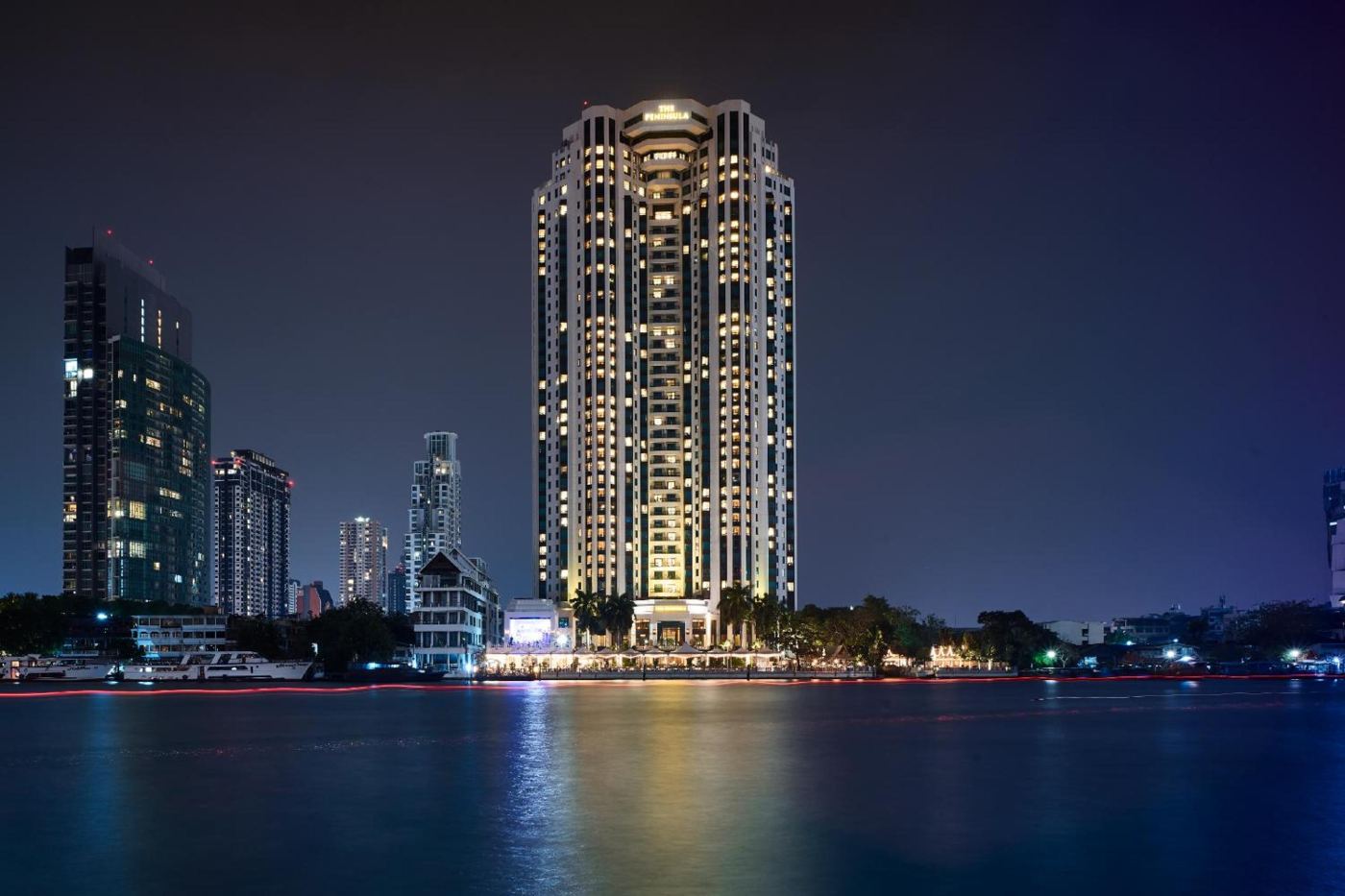
Every one of the Peninsula's 367 rooms faces the Chao Phraya River, Bangkok's benchmark for old-money luxury since 1998.
Booking.com
Check Rates & Book →Agoda
Check Rates & Book →Trip.com
Check Rates & Book →Expedia
Check Rates & Book →🧭 Can You Do Both?
It's possible but requires real time — Tokyo and Bangkok are roughly 6.5–7 hours apart by direct flight. Both work well as standalone trips; combining them on one route is more common on a longer, multi-stop Asia itinerary than a short trip.
✅ The Verdict
Choose Tokyo for food, scale, and modern energy, accepting the higher price. Choose Bangkok for street food, temples, and half the daily cost. Given how far apart these sit on price, budget is likely to be the deciding factor for most travelers.