Tokyo vs Singapore: Which Should You Choose?
The world's largest food-obsessed metropolis or a polished, engineered city-state — Tokyo and Singapore are both premium, efficient, and very different in scale.

Tokyo and Singapore are both premium, highly efficient Asian destinations, but they operate at completely different scales. Tokyo is vast — the world's largest metropolis, food-obsessed, with more neighborhoods than a single trip can cover. Singapore is compact and engineered, a city-state built around landmark gardens and hawker food that can be reasonably covered in a few days. Both run at a similar, comfortably premium daily budget.
Tokyo vs Singapore at a Glance
🗼 The Case for Tokyo
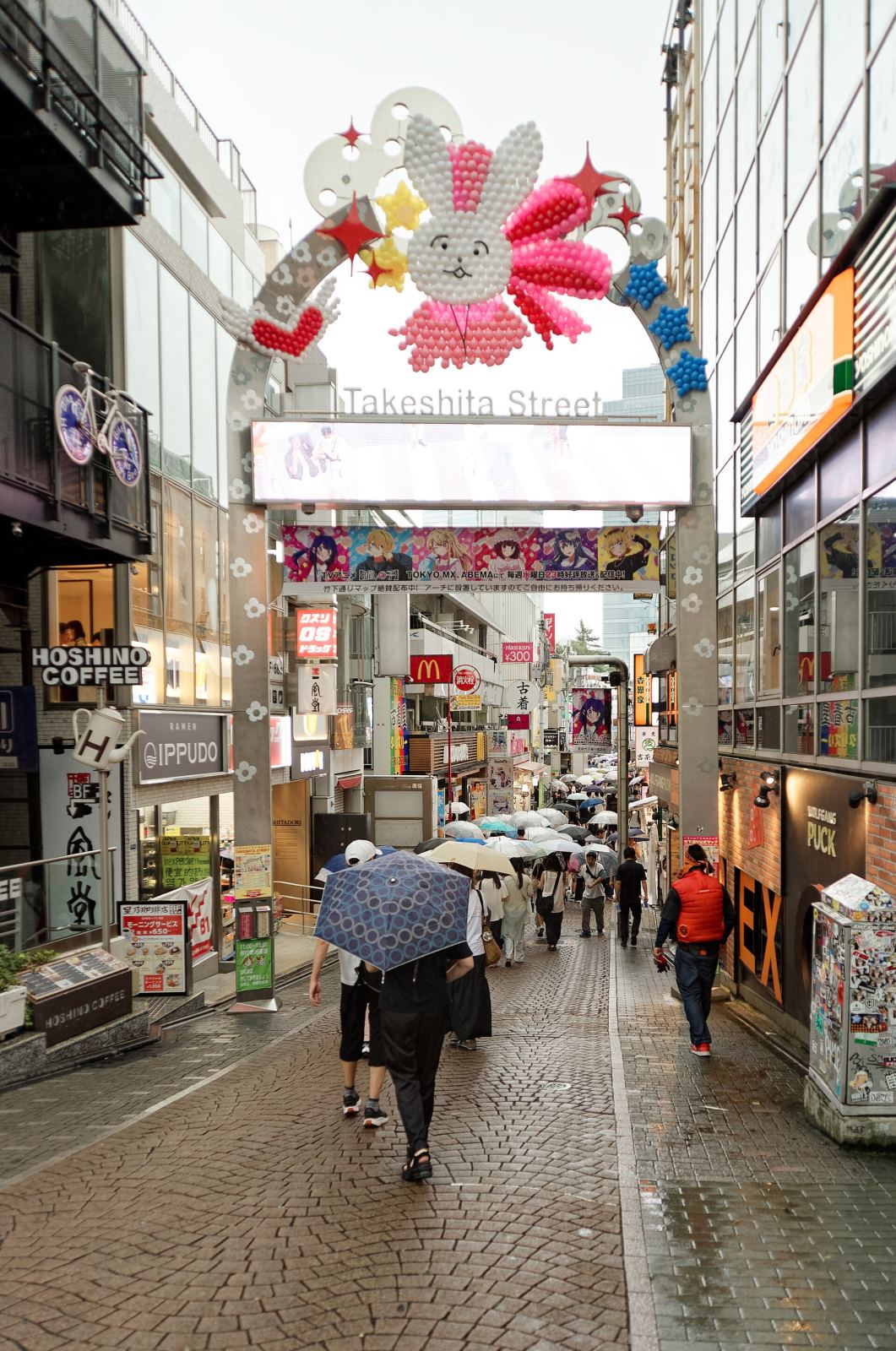
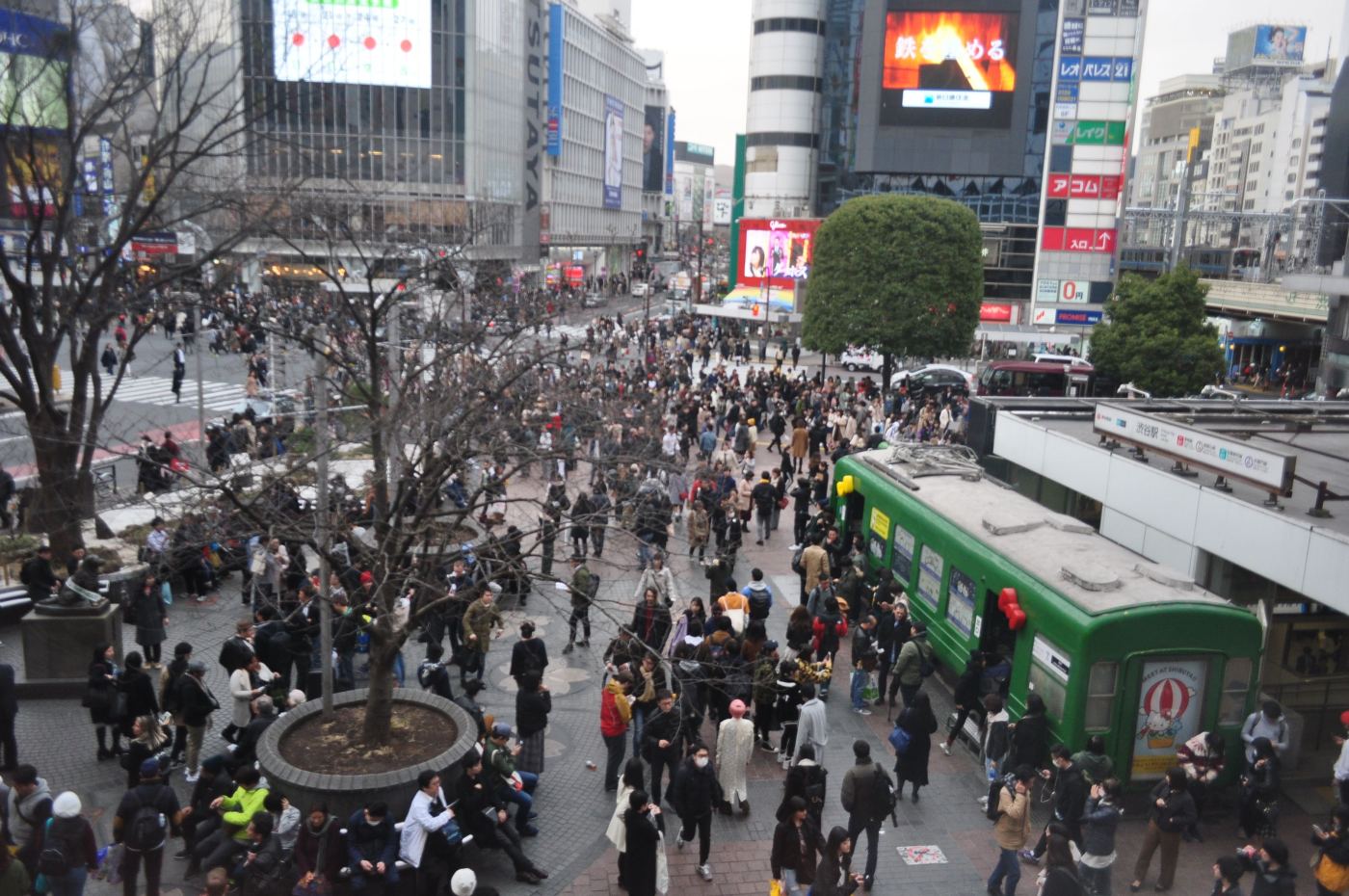
Tokyo is built on scale and variety — the food scene runs from Michelin-starred sushi counters to standing-room ramen shops, and Shibuya Crossing handles thousands of pedestrians per light change. Tokyo rewards repeat visits and simply can't be covered in a single trip the way Singapore's more compact footprint can.
🌿 The Case for Singapore
Singapore trades Tokyo's sprawl for engineered efficiency — Gardens by the Bay and Marina Bay Sands are landmark-grade attractions built specifically to define the skyline, and the city's cleanliness and spotless MRT make it one of the easiest places in Asia to navigate. Singapore's hawker centers deliver some of the best value eating in the region despite the city's overall polish.

🗺️ Side-by-Side Comparison
| Tokyo | Singapore | |
|---|---|---|
| Vibe | Modern, fast-paced, endless variety | Clean, efficient, engineered |
| Best for | Food scene, shopping, scale | Gardens, hawker food, skyline |
| Getting around | Extensive metro/rail network | Spotless MRT |
| City size | Vast, rewards repeat visits | Compact, coverable in a few days |
| Distance apart | ~7 hour direct flight | — |
🍽️ Food: What You'll Actually Eat
Tokyo's food scene is famously deep. Ramen ranges from standing-room counters to hour-long queues, and sushi spans everything from market stalls to reservation-only omakase.
Singapore's food identity runs through its hawker centers. Hainanese chicken rice is the unofficial national dish.
🎯 Top Places of Interest
Tokyo's essentials are spread across the city. Shibuya Crossing is the classic first stop, and Tokyo Skytree gives the clearest sense of the city's scale.
Singapore's sights are landmark-driven. Gardens by the Bay is close to essential, and Marina Bay Sands SkyPark gives the best skyline photo.
💰 Daily Budget Breakdown
| Tokyo | Singapore | |
|---|---|---|
| Accommodation | $18–$25 | $18–$25 |
| Food | $12–$18 | $12–$18 |
| Transport | $5–$8 | $5–$8 |
| Activities | $5–$10 | $5–$8 |
| Daily Total | ~$50 | ~$50 |
A near-tie — Tokyo runs marginally higher on activities. See our full breakdowns in Tokyo on $50 a Day and Singapore on $50 a Day.
🏨 Where to Stay
Both cities have a standout hotel. See our full Top 10 Hotels in Tokyo and Top 10 Hotels in Singapore for the complete rankings.
Tokyo Pick: PROSTYLE Ryokan Tokyo Asakusa

The highest-rated hotel on Tokyo's full list at 9.6 out of 10, blending traditional ryokan design with modern comforts.
Booking.com
Check Rates & Book →Agoda
Check Rates & Book →Trip.com
Check Rates & Book →Expedia
Check Rates & Book →Singapore Pick: Marina Bay Sands
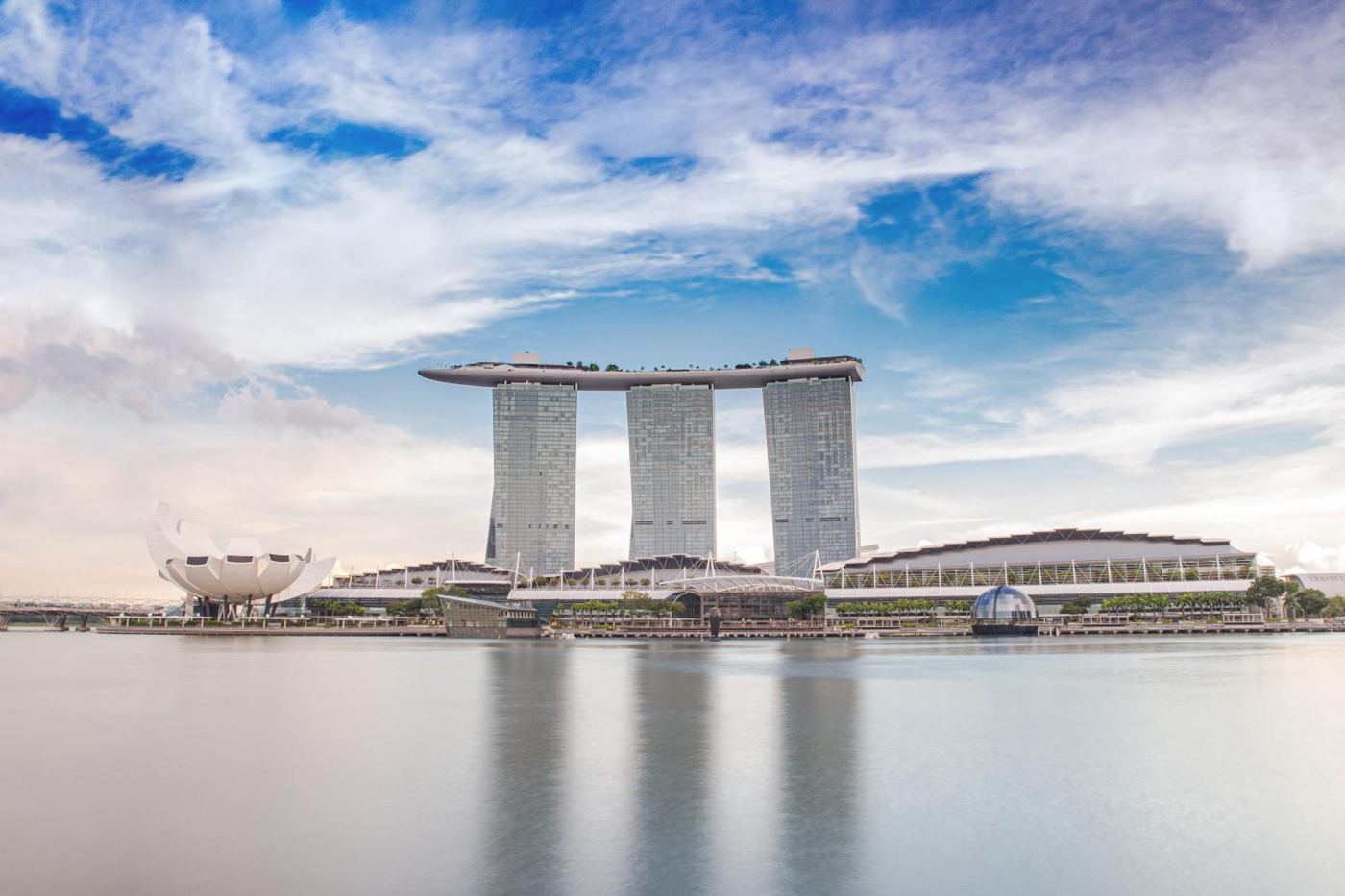
Three 55-story towers topped by the world's largest rooftop infinity pool — the single most recognizable hotel silhouette in Southeast Asia.
Booking.com
Check Rates & Book →Agoda
Check Rates & Book →Trip.com
Check Rates & Book →Expedia
Check Rates & Book →🧭 Can You Do Both?
Not as a quick add-on — Tokyo and Singapore are roughly a 7-hour direct flight apart, too far for a short combo trip, though workable with two weeks or more. More commonly, travelers pick one based on flight routing or visit each separately.
✅ The Verdict
Choose Tokyo for food, scale, and a city that rewards repeat visits. Choose Singapore for efficiency, gardens, and hawker food in a highly walkable, spotless setting. With near-identical budgets, this comes down to whether you want vastness or compactness.