Ho Chi Minh City vs Tokyo: Which Should You Choose?
A fast-paced, budget-friendly capital or the world's largest food-obsessed metropolis — Saigon and Tokyo deliver very different trips at very different prices.

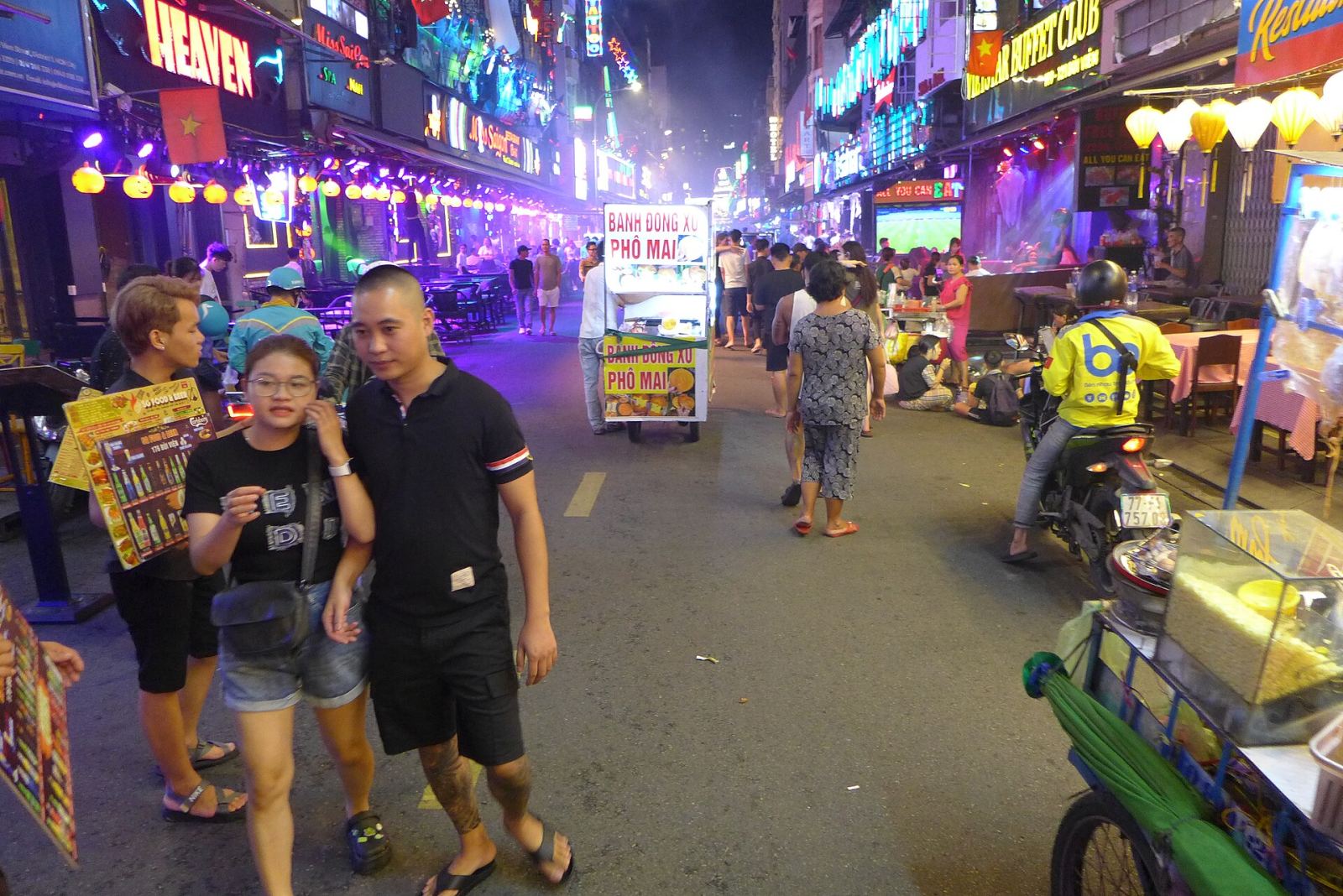
Ho Chi Minh City and Tokyo both draw travelers with strong food scenes, but the scale and cost of each trip diverge sharply. Saigon is fast and motorbike-filled, genuinely cheap, with history running deep beneath a fast-modernizing skyline. Tokyo is the world's largest metropolis, food-obsessed and vast, running well over double Saigon's budget.
Ho Chi Minh City vs Tokyo at a Glance
🏍️ The Case for Ho Chi Minh City
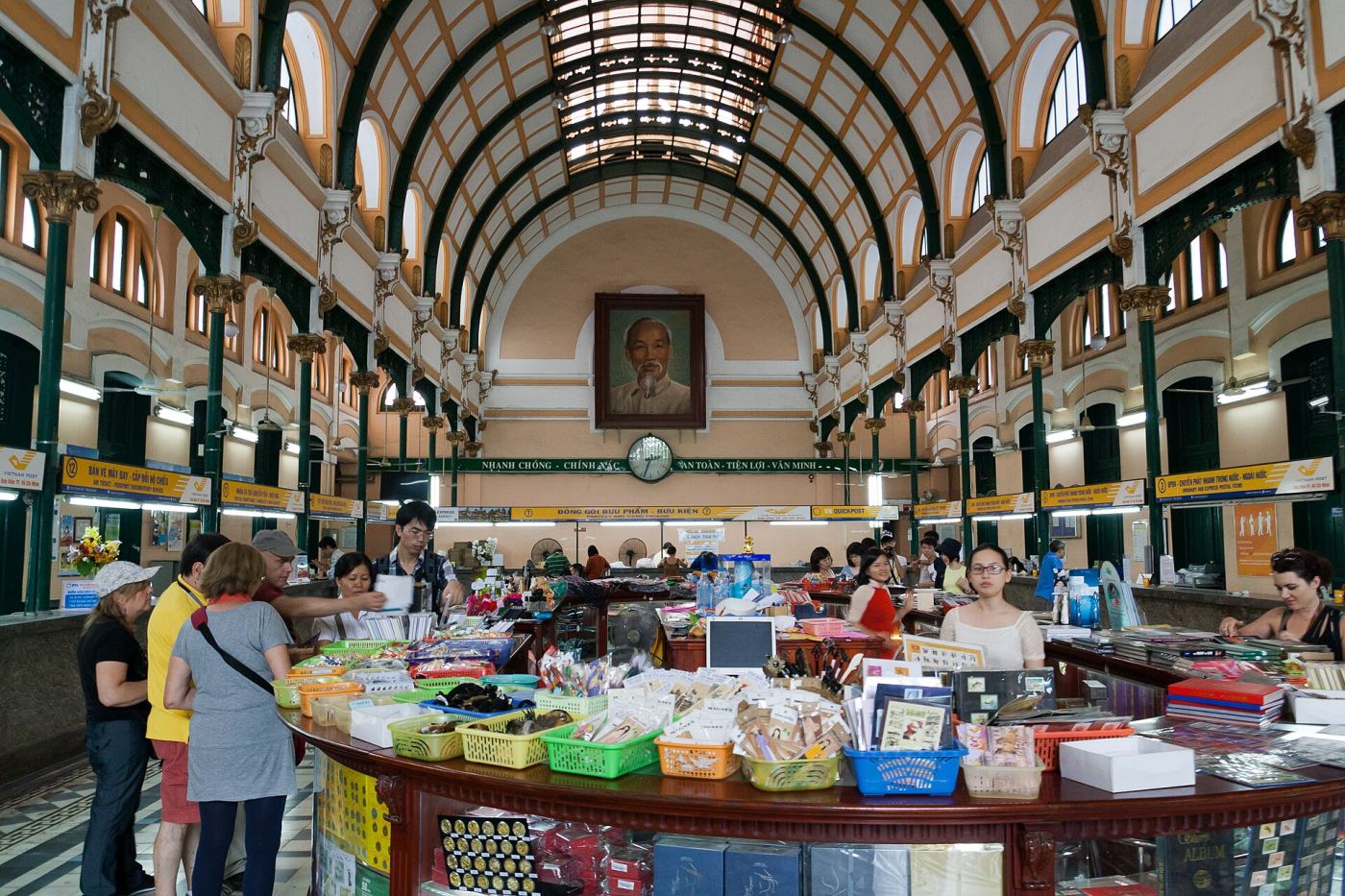
Saigon moves at a different speed — motorbikes fill every street, and the city's energy is the main draw as much as any single landmark. History runs deep too: the Cu Chi Tunnels and War Remnants Museum are essential, sobering half-days, and the entire trip costs a fraction of a comparable Tokyo stay.
🗼 The Case for Tokyo
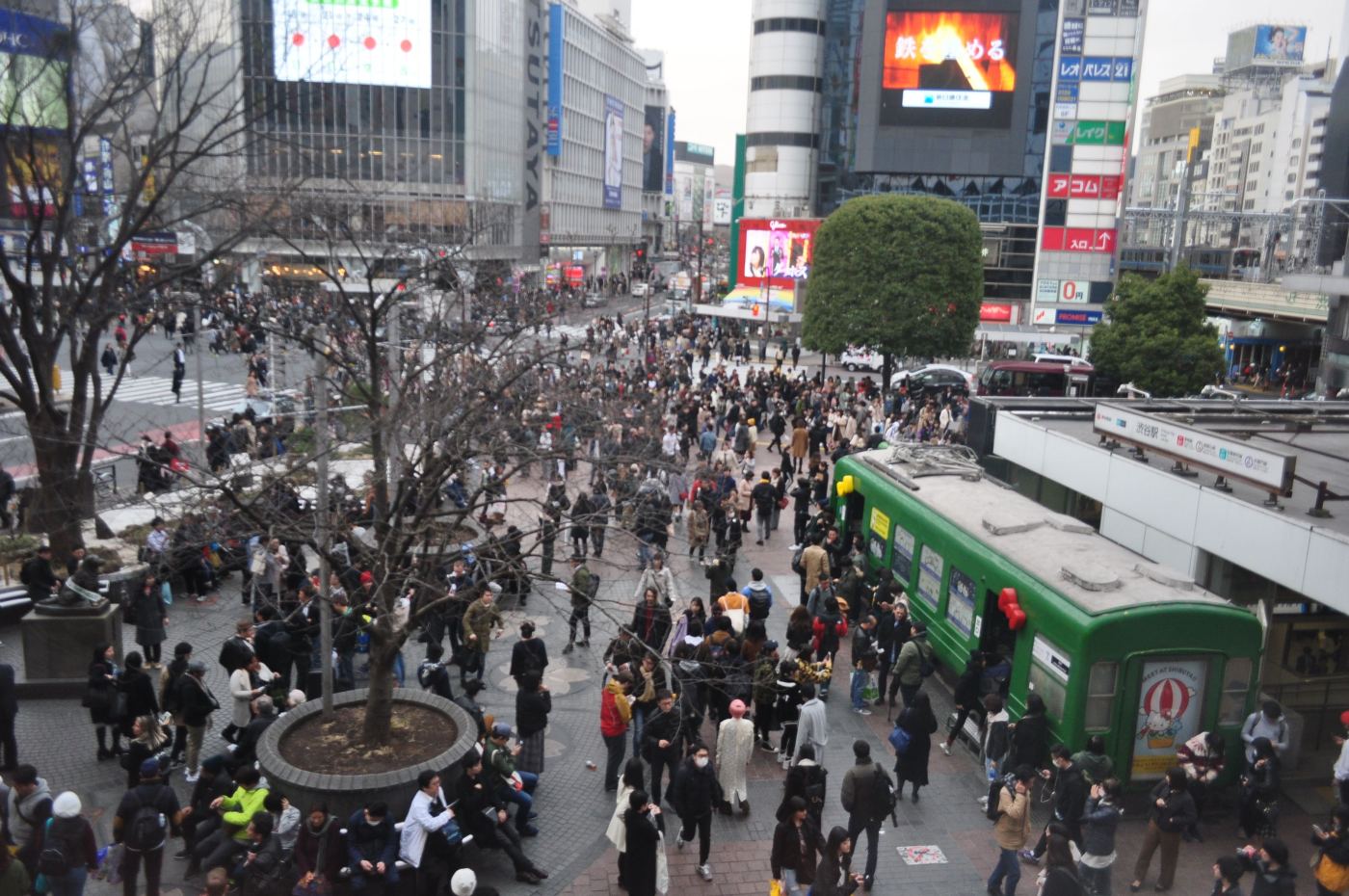
Tokyo is built on scale and variety — the food scene runs from Michelin-starred sushi counters to standing-room ramen shops, and Shibuya Crossing remains one of the most-photographed urban scenes anywhere. Tokyo rewards repeat visits and operates on a scale Saigon's more compact core doesn't attempt.
🗺️ Side-by-Side Comparison
| Ho Chi Minh City | Tokyo | |
|---|---|---|
| Vibe | Fast-paced, modern, motorbike energy | Modern, fast-paced, endless variety |
| Best for | War history, colonial architecture | Food scene, shopping, scale |
| Getting around | Taxi/rideshare | Extensive metro/rail network |
| Cost level | Very affordable | Meaningfully pricier |
| Distance apart | ~6 hour direct flight | — |
🍽️ Food: What You'll Actually Eat
Saigon's food scene is faster and more street-cart driven. Com tam is the city's defining everyday dish, and a banh mi and ca phe sua da crawl covers two essentials.
Tokyo's food scene is famously deep. Ramen ranges from standing-room counters to hour-long queues, and wagyu beef is worth the splurge at least once.
🎯 Top Places of Interest
Saigon's sights split between war history and colonial architecture. The Cu Chi Tunnels and War Remnants Museum make for a heavy but essential day.
Tokyo's essentials are spread across the city. Shibuya Crossing is the classic first stop, and Tokyo Skytree gives the clearest sense of the city's scale.
💰 Daily Budget Breakdown
| Ho Chi Minh City | Tokyo | |
|---|---|---|
| Accommodation | $6–$9 | $18–$25 |
| Food | $5–$7 | $12–$18 |
| Transport | $2–$4 | $5–$8 |
| Activities | $2–$4 | $5–$10 |
| Daily Total | ~$20 | ~$50 |
Ho Chi Minh City, by a wide margin. See our full breakdowns in Ho Chi Minh City on $20 a Day and Tokyo on $50 a Day.
🏨 Where to Stay
Both cities have a landmark hotel worth knowing. See our full Top 10 Hotels in Ho Chi Minh City and Top 10 Hotels in Tokyo for the complete rankings.
Saigon Pick: The Reverie Saigon

The highest-rated hotel in the city, occupying the upper floors of the Times Square Building on Nguyen Hue Boulevard.
Booking.com
Check Rates & Book →Agoda
Check Rates & Book →Trip.com
Check Rates & Book →Expedia
Check Rates & Book →Tokyo Pick: PROSTYLE Ryokan Tokyo Asakusa

The highest-rated hotel on Tokyo's full list at 9.6 out of 10, blending traditional ryokan design with modern comforts.
Booking.com
Check Rates & Book →Agoda
Check Rates & Book →Trip.com
Check Rates & Book →Expedia
Check Rates & Book →🧭 Can You Do Both?
It's possible on a longer trip — Ho Chi Minh City and Tokyo are roughly 6 hours apart by direct flight. Most travelers treat them as separate trips given the difference in pace and cost, though combining both works well with two to three weeks available.
✅ The Verdict
Choose Ho Chi Minh City for war history, colonial architecture, and a genuinely low budget. Choose Tokyo for food, scale, and modern energy, accepting a meaningfully higher daily cost. Let your budget and the pace you want guide the decision.