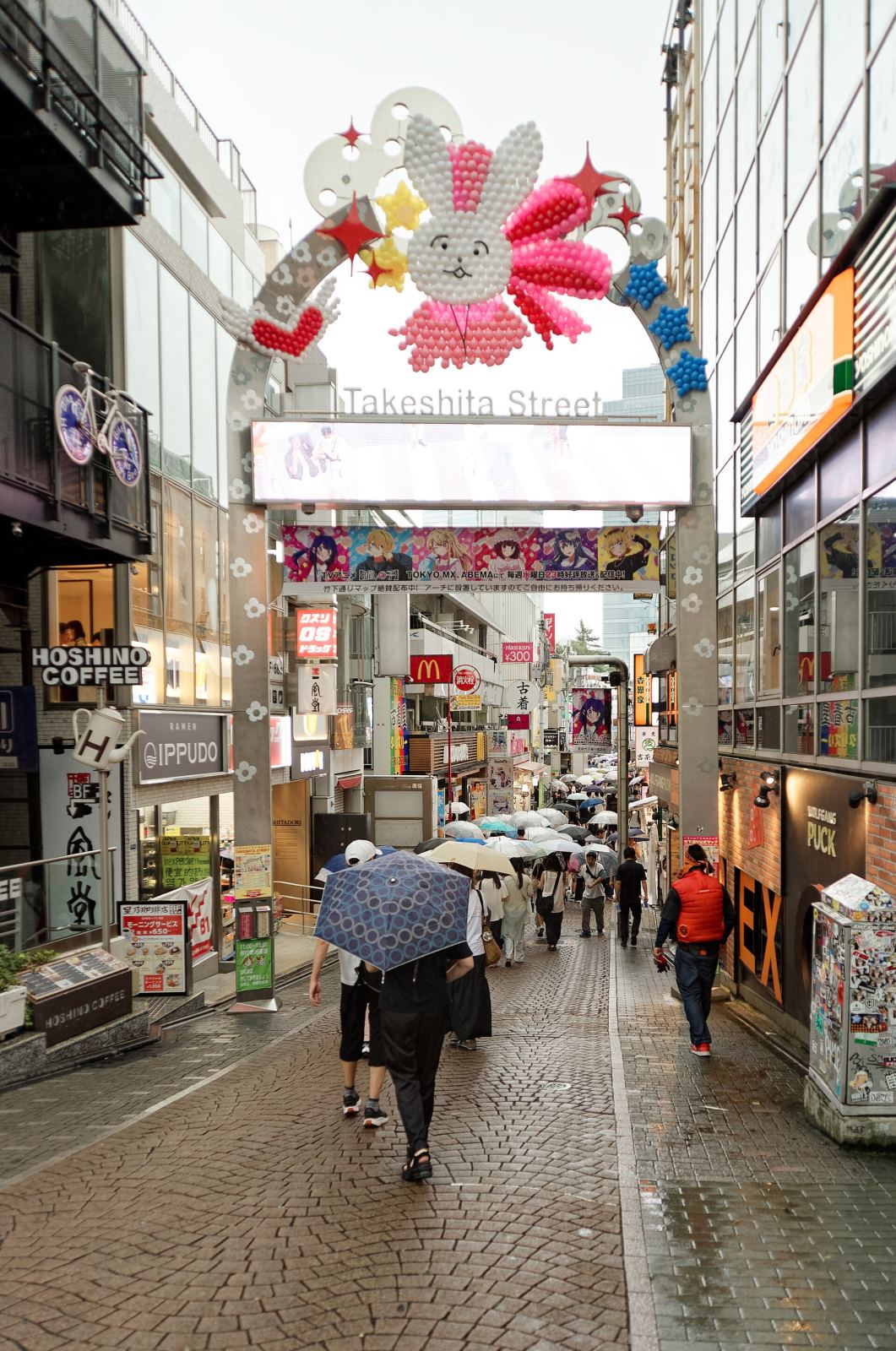
Tokyo vs Kyoto: Which Should You Visit First?
Tokyo and Kyoto are a 2.5-hour bullet train apart and nearly every first Japan trip does both — here is how the two compare and how to split your time.

Tokyo and Kyoto rarely compete for the same trip — a 2.5-hour Shinkansen ride apart, they're the two halves of almost every first-time Japan itinerary. Tokyo is the modern megacity: neon-lit crossings, an endless food scene, and more neighborhoods than any single trip can cover. Kyoto is the former imperial capital: temple-dense, slower-paced, and built around a tradition Tokyo largely paved over generations ago. Neither replaces the other — the real question is how to split your days, not which one to skip.
Tokyo vs Kyoto at a Glance
🗼 The Case for Tokyo
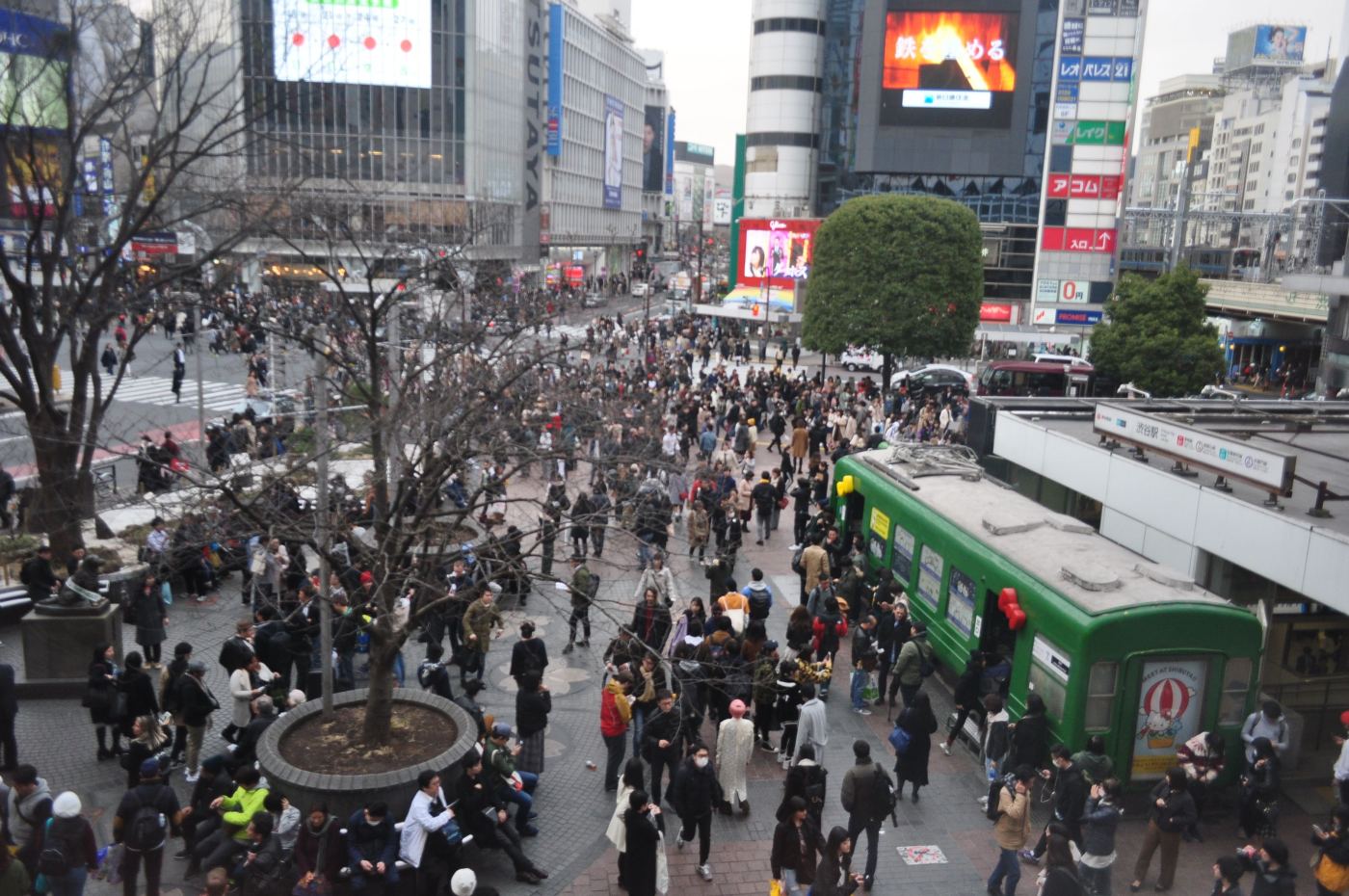
Tokyo is built on scale and variety — Shibuya Crossing alone handles up to 3,000 pedestrians per light change, and the city's food scene runs from Michelin-starred sushi counters to standing-room ramen shops without ever repeating itself. Shopping districts like Harajuku and Omotesando sit minutes from historic Senso-ji Temple, and Tokyo Skytree offers the clearest sense of just how far the city actually sprawls. If Kyoto is about slowing down, Tokyo is about how much you can fit into a single day.
⛩️ The Case for Kyoto
Kyoto was Japan's imperial capital for over a thousand years, and it shows — the city holds over 1,600 Buddhist temples and 400 Shinto shrines, more concentrated historic architecture than anywhere else in the country. Gion's geisha district, the Arashiyama Bamboo Grove, and a kaiseki dining tradition that predates Tokyo's rise all give Kyoto a depth Tokyo doesn't attempt to compete with. It's also simply calmer — smaller, more walkable, and built around a pace that rewards lingering rather than covering ground.

🗺️ Side-by-Side Comparison
| Tokyo | Kyoto | |
|---|---|---|
| Vibe | Modern, fast-paced, endless variety | Historic, calm, temple-dense |
| Best for | Food scene, shopping, nightlife | Temples, gardens, tradition |
| Getting around | Extensive metro/rail network | Compact, walkable, bikeable |
| Pace | Fast, cover a lot in a day | Slower, built for lingering |
| Distance apart | ~2.5 hours by Shinkansen | — |
🍽️ Food: What You'll Actually Eat
Tokyo's food scene is famously deep. Ramen ranges from standing-room counters to hour-long queues for a single bowl. Sushi spans everything from Tsukiji-outer-market stalls to reservation-only omakase counters, and wagyu beef is worth splurging on at least once.
Kyoto's food culture leans traditional. Kaiseki, Japan's multi-course haute cuisine, originated partly from Kyoto's tea-ceremony and imperial dining traditions. Matcha sweets reflect the city's centuries-old tea culture, and yudofu (simmered tofu), a simple Buddhist temple dish, remains one of the city's signature meals.
🎯 Top Places of Interest
Tokyo's essential sights are spread across the city. Shibuya Crossing is the classic first stop. Senso-ji Temple, Tokyo's oldest, sits in Asakusa's more traditional streets, and Tokyo Skytree gives the best overview of the city's sheer scale.
Kyoto's sights center on its temples and historic streets. The city's temples and shrines — Fushimi Inari and Kinkaku-ji chief among them — are the main draw. The Arashiyama Bamboo Grove is one of the most photographed spots in Japan, and Gion, the historic geisha district, is best explored at dusk.
💰 Daily Budget Breakdown
| Tokyo | Kyoto | |
|---|---|---|
| Accommodation | $18–$25 | $18–$25 |
| Food | $12–$18 | $12–$18 |
| Transport | $5–$8 | $5–$8 |
| Activities | $5–$10 | $3–$8 |
| Daily Total | ~$50 | ~$47 |
Essentially a tie — Kyoto runs marginally cheaper on activities, but the gap is small. See our full breakdowns in Tokyo on $50 a Day and Kyoto on $50 a Day.
🏨 Where to Stay
Both cities have a standout, highly-rated hotel worth knowing. See our full Top 10 Hotels in Tokyo and Top 10 Hotels in Kyoto for the complete rankings.
Tokyo Pick: PROSTYLE Ryokan Tokyo Asakusa

The highest-rated hotel on Tokyo's full list at 9.6 out of 10, PROSTYLE blends traditional ryokan design with the comforts most Western travelers want — a fitting bridge between Tokyo's modernity and Japan's traditional hospitality.
Booking.com
Check Rates & Book →Agoda
Check Rates & Book →Trip.com
Check Rates & Book →Expedia
Check Rates & Book →Kyoto Pick: NOHGA HOTEL KIYOMIZU KYOTO

Sitting in Higashiyama Ward at the foot of the slope up to Kiyomizu-dera Temple, NOHGA pairs a rated 9.6-out-of-10 guest score with a rooftop bar that has become one of Kyoto's more talked-about spots.
Booking.com
Check Rates & Book →Agoda
Check Rates & Book →Trip.com
Check Rates & Book →Expedia
Check Rates & Book →🧭 Can You Do Both?
Yes — this is the default Japan itinerary, not an exception. Tokyo and Kyoto are connected by a roughly 2.5-hour Shinkansen ride, with Osaka often slotted in as a third stop along the same line. Most first-time visitors split a 10–14 day trip roughly evenly: several days in Tokyo for the food and energy, then a slower few days in Kyoto for temples and tradition, often bookending the trip or splitting it with a couple of days in Osaka in between.
✅ The Verdict
If you can only manage one city, choose based on what you actually want: Tokyo for food, shopping, and modern energy; Kyoto for temples, gardens, and a slower pace. But given the short, comfortable train ride and near-identical daily budget, most travelers are better served treating this as a when-to-visit-each question rather than an either/or.